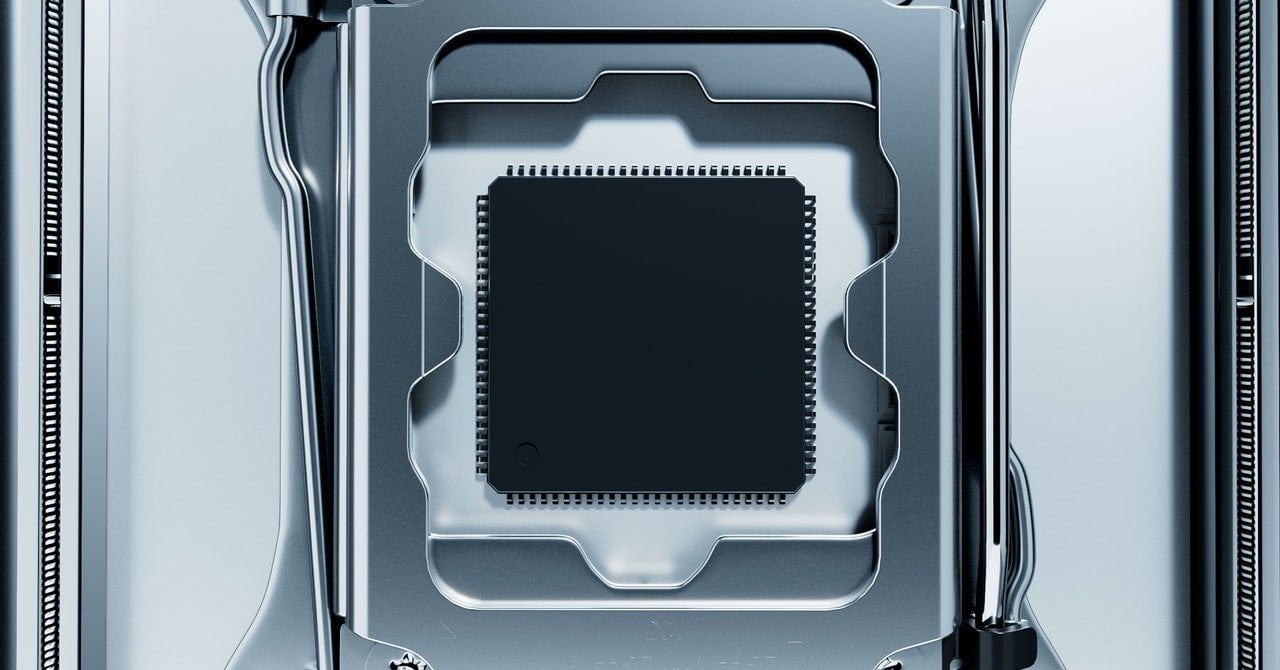
I Saw the Face of God in a Semiconductor Factory
https://www.wired.com/story/i-saw-the-face-of-god-in-a-tsmc-factory/

I Saw the Face of God in a Semiconductor Factory
https://www.wired.com/story/i-saw-the-face-of-god-in-a-tsmc-factory/
1 Comment
Semiconductor fabrication plants, known as fabs, are among civilization’s great marvels. The silicon microchips fashioned inside them are the sine qua non of the built world, so essential to human life that they’re often treated as basic goods, commodities. They’re certainly commodities in the medieval sense: amenities, conveniences, comforts. In the late ’80s, some investors even experimented in trading them on futures markets.
But unlike copper and alfalfa, chips aren’t raw materials. Perhaps they’re currency, the coin of the global realm, denominated in units of processing power. Indeed, just as esoteric symbols transform banal cotton-linen patches into dollar bills, cryptic latticework layered onto morsels of common silicon—using printmaking techniques remarkably similar to the ones that mint paper money—turns nearly valueless material into the building blocks of value itself. This is what happens at TSMC.