### EU Wind and Solar Growth Displaces Fossil Fuel Generation, Report Says
Wind and solar power generation in the European Union (EU) surged by 46% between 2019 and 2023, effectively displacing a fifth of the bloc’s fossil fuel generation, according to a recent report by think tank Ember.
#### Key Developments and Context
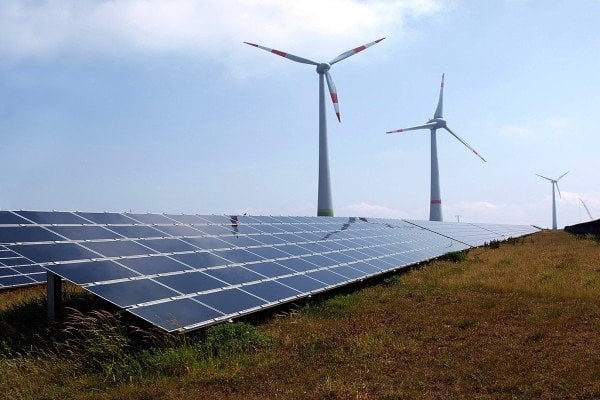
The current European Commission, which took office in 2019, has overseen significant growth in renewable energy capacity. Wind capacity increased by 31% to 219 gigawatts (GW), while solar capacity more than doubled to 257 GW by 2023. This rapid expansion translates to installing over 230,000 solar panels daily over the four-year period.
Sarah Brown, Europe Programme Director at Ember, highlighted the significance of this shift: “The EU now has more home-grown wind and solar than ever, pushing both coal and gas electricity generation down to historic lows. The EU is now in the midst of a historic, permanent shift away from reliance on fossil fuels for power.”
#### By the Numbers
The additional wind and solar capacity has significantly impacted the EU’s energy mix. The share of total renewables in the EU electricity mix rose to 44% in 2023 from 34% in 2019. Concurrently, the share of fossil fuel generation fell to 32.5% from 39%.
Without this substantial increase in renewable capacity, the reduction in fossil fuel generation would have been a mere 1.9% (21 TWh) instead of the achieved 22%, as lower electricity demand was primarily balanced by decreased output from other clean energy sources.
#### Political and Environmental Implications
The European Commission has proposed an ambitious target of achieving 45% renewable energy sources in the overall energy mix by 2030. This goal is set against a backdrop of upcoming European Parliament elections scheduled for June 6-9. Polls suggest that the main pro-EU groups, including the centre-right, centre-left, Greens, and liberals, may see a reduction in their majority, while far-right parties are expected to gain ground.
While many policies aimed at curbing greenhouse gas emissions are already in place, the next five years will be critical. Several laws are up for review, and enacting more ambitious legislation may prove challenging if political support diminishes.
#### Looking Ahead
The growth in wind and solar capacity underscores the EU’s commitment to transitioning away from fossil fuels and enhancing energy security through home-grown renewable sources. As the EU navigates its political landscape and environmental targets, the continued expansion of renewable energy will play a pivotal role in achieving a sustainable energy future.
### Additional Insights
The [progress made from 2019 to 2023](https://www.reuters.com/sustainability/eu-wind-solar-growth-displaces-fossil-fuel-generation-report-says-2024-06-02/) sets a strong foundation for the EU’s renewable energy ambitions. The ongoing increase in wind and solar installations, coupled with declining coal and gas usage, marks a significant step towards a greener and more resilient energy system in Europe. As the region approaches the 2030 target, the emphasis on renewable energy will likely continue to drive policy and investment decisions across the EU.
PurahsHero on
And all it took was meaningfully investing in the technology and Putin.

2 Comments
### EU Wind and Solar Growth Displaces Fossil Fuel Generation, Report Says
Wind and solar power generation in the European Union (EU) surged by 46% between 2019 and 2023, effectively displacing a fifth of the bloc’s fossil fuel generation, according to a recent report by think tank Ember.
#### Key Developments and Context
The current European Commission, which took office in 2019, has overseen significant growth in renewable energy capacity. Wind capacity increased by 31% to 219 gigawatts (GW), while solar capacity more than doubled to 257 GW by 2023. This rapid expansion translates to installing over 230,000 solar panels daily over the four-year period.
Sarah Brown, Europe Programme Director at Ember, highlighted the significance of this shift: “The EU now has more home-grown wind and solar than ever, pushing both coal and gas electricity generation down to historic lows. The EU is now in the midst of a historic, permanent shift away from reliance on fossil fuels for power.”
#### By the Numbers
The additional wind and solar capacity has significantly impacted the EU’s energy mix. The share of total renewables in the EU electricity mix rose to 44% in 2023 from 34% in 2019. Concurrently, the share of fossil fuel generation fell to 32.5% from 39%.
Without this substantial increase in renewable capacity, the reduction in fossil fuel generation would have been a mere 1.9% (21 TWh) instead of the achieved 22%, as lower electricity demand was primarily balanced by decreased output from other clean energy sources.
#### Political and Environmental Implications
The European Commission has proposed an ambitious target of achieving 45% renewable energy sources in the overall energy mix by 2030. This goal is set against a backdrop of upcoming European Parliament elections scheduled for June 6-9. Polls suggest that the main pro-EU groups, including the centre-right, centre-left, Greens, and liberals, may see a reduction in their majority, while far-right parties are expected to gain ground.
While many policies aimed at curbing greenhouse gas emissions are already in place, the next five years will be critical. Several laws are up for review, and enacting more ambitious legislation may prove challenging if political support diminishes.
#### Looking Ahead
The growth in wind and solar capacity underscores the EU’s commitment to transitioning away from fossil fuels and enhancing energy security through home-grown renewable sources. As the EU navigates its political landscape and environmental targets, the continued expansion of renewable energy will play a pivotal role in achieving a sustainable energy future.
### Additional Insights
The [progress made from 2019 to 2023](https://www.reuters.com/sustainability/eu-wind-solar-growth-displaces-fossil-fuel-generation-report-says-2024-06-02/) sets a strong foundation for the EU’s renewable energy ambitions. The ongoing increase in wind and solar installations, coupled with declining coal and gas usage, marks a significant step towards a greener and more resilient energy system in Europe. As the region approaches the 2030 target, the emphasis on renewable energy will likely continue to drive policy and investment decisions across the EU.
And all it took was meaningfully investing in the technology and Putin.