
From lab to life: 3D bioprinting unveils new horizons in biomedical applications – It highlights the potential of peptide self-assembly technology as a bioinspired ink for constructing complex 3D structures.
https://phys.org/news/2024-06-lab-life-3d-bioprinting-unveils.html
1 Comment
From the article
>This review, conducted by institutions such as China University of Petroleum (East China), Zhejiang University, and Tel Aviv University, was published in Bio-Design and Manufacturing, on 29 April 2024. The research team explored the combination of peptide self-assembly technology with 3D printing for developing complex biological structures and organs. This breakthrough lays the foundation for future biomedical applications.
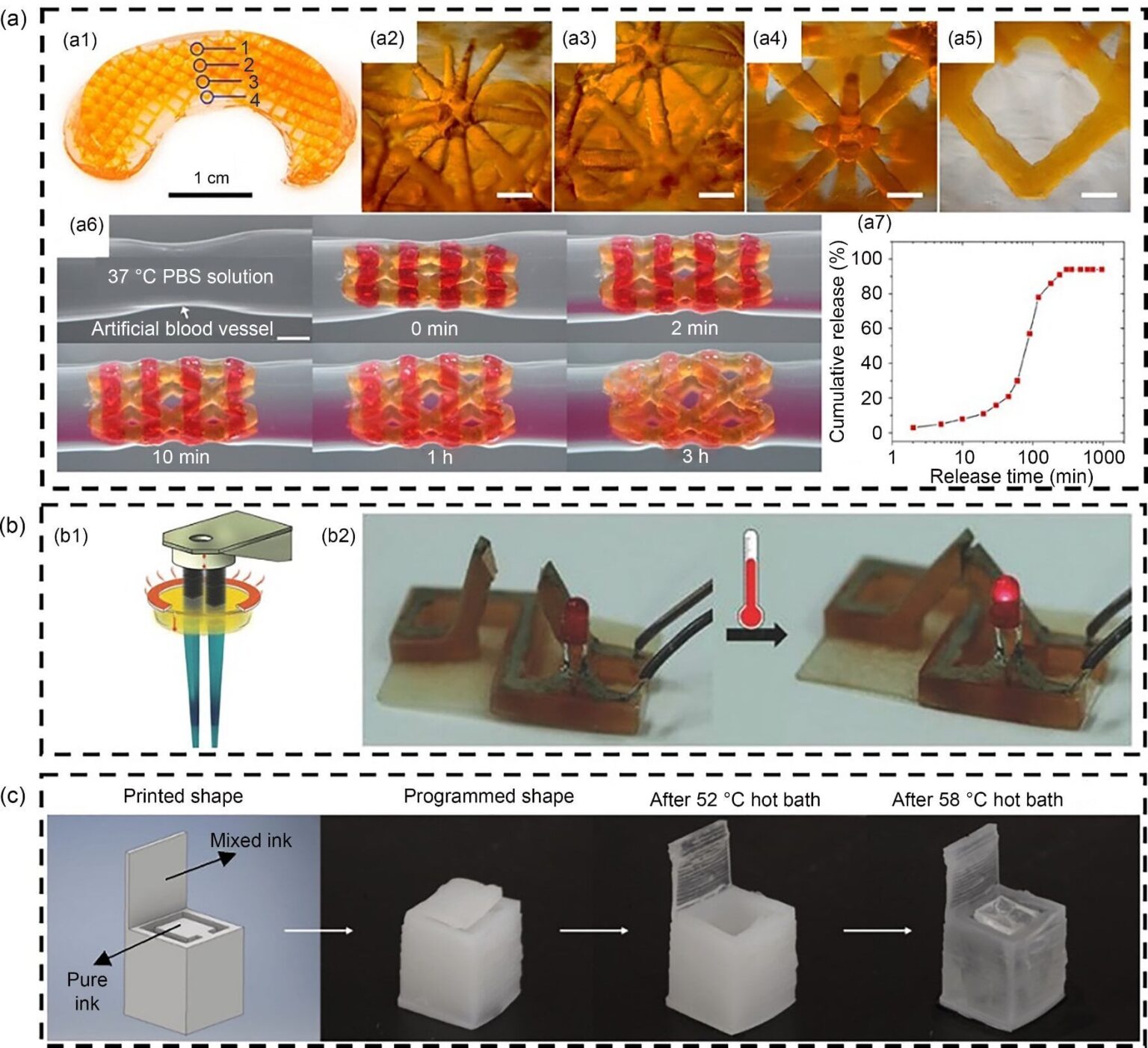
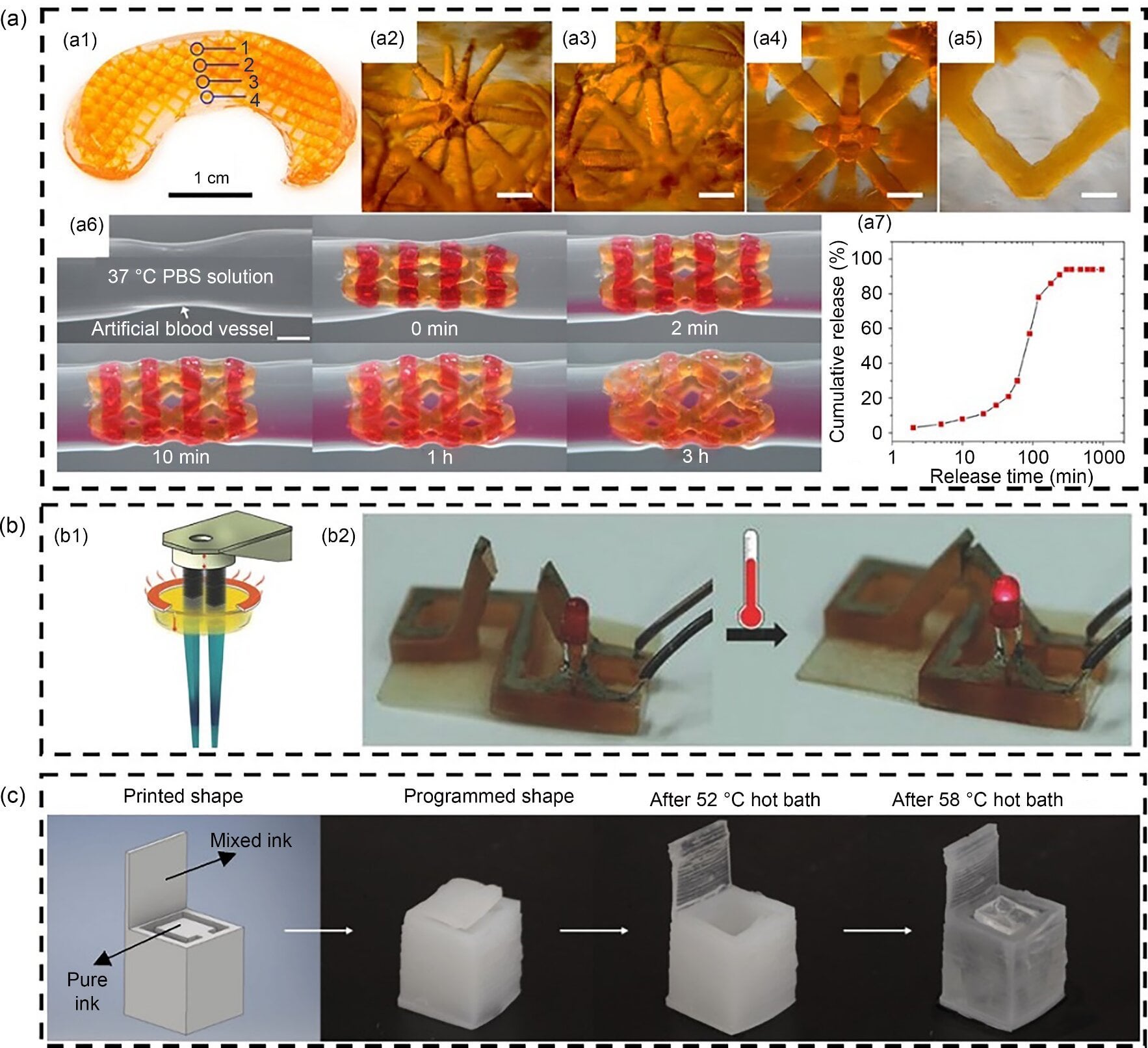
>The study provides an in-depth analysis of recent progress in 3D bioprinting in Israel, focusing on scientific studies on printable components, soft devices, and [tissue engineering](https://phys.org/tags/tissue+engineering/). It highlights the potential of peptide self-assembly technology as a bioinspired ink for constructing complex 3D structures.
>Peptide self-assembled bio-inks form various nanostructures, such as nanofibers and nanotubes, through non-covalent interactions like hydrogen bonding, aromatic, and [hydrophobic interactions](https://phys.org/tags/hydrophobic+interactions/), creating a 3D network structure. These structures exhibit excellent biocompatibility and adjustable physicochemical properties, making them suitable for multiple biomedical fields, including tissue engineering, cell culture, and drug release.