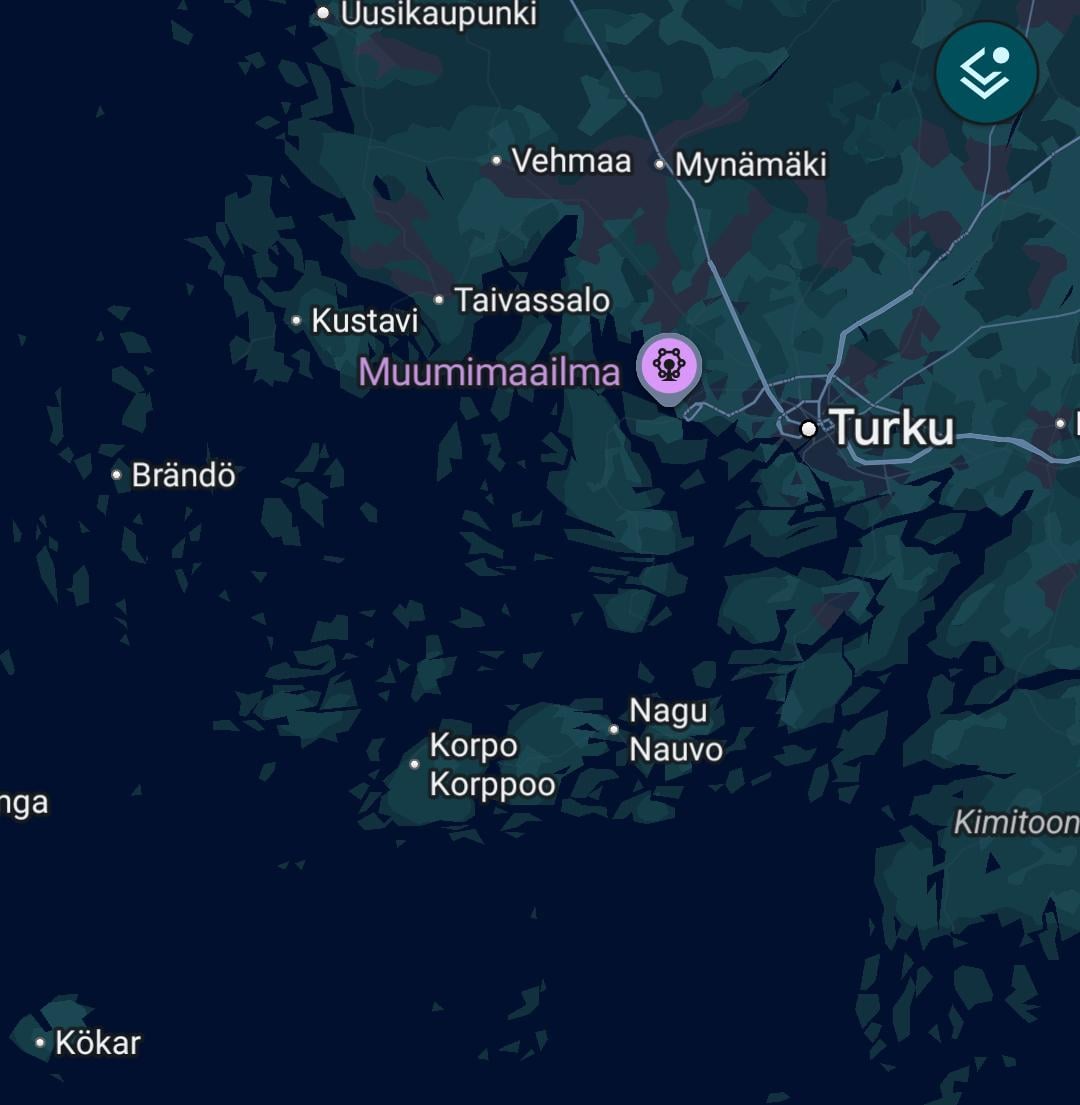
Curious about how’s life in here compared to the mainland.
https://i.redd.it/qu82z6yzsydg1.jpeg
Posted by Key-Pineapple8101

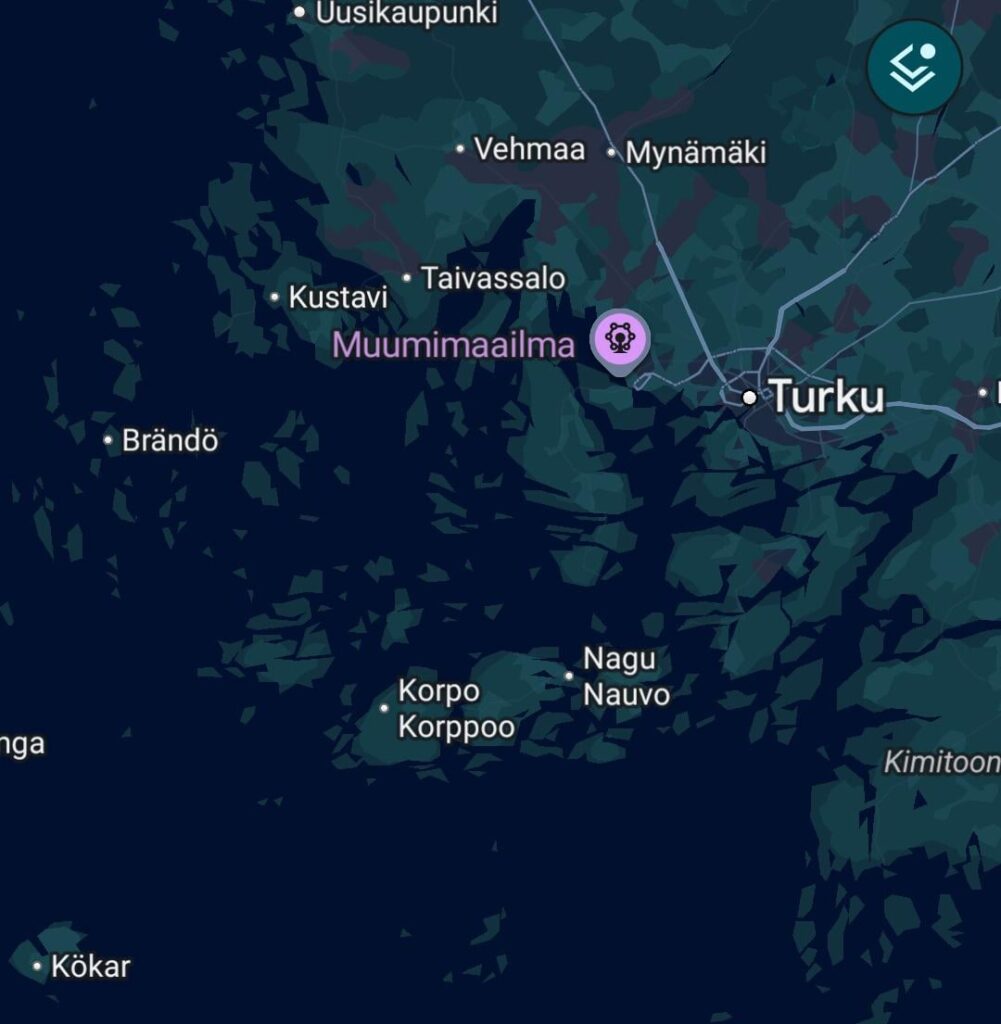
Curious about how’s life in here compared to the mainland.
https://i.redd.it/qu82z6yzsydg1.jpeg
Posted by Key-Pineapple8101
15 Comments
What is is with people asking about the Nordics/Finland over there? This is the 3rd I’ve seen in a couple of days.
There are a bit more russian spies than in the mainland, but once you get rid of them it is fairly nice and quiet for a week or two.
Sommer and autumn are magical. Winters are also cozy but too long for me.
It’s alright. Why?
Full of weird hippo like beings…
Very swedish.
Turku on Suomen persereikä
Lived in Naantali for the first 20 years of my life. Sweet times in terms of groceries being rather close. Busses go very often so you’re good to travel without a car if you feel like it. The very few beaches tend to get teens gathering at them at the evenings, revving up those mopeds n stuff… Other than that it’s pretty peaceful though.
Very nice, has a nature and ocean.
If you live in the connected sections (As in there are bridges) then it is not much different to living to the mainland in some rural area. Functionally it is just rural areas. Distances to everywhere are long. The parts that are right front of Turku – a major urban centre – are basically more or less remote suburbs, as people from there commute to the city and it’s surrounding areas for work.
However once you get to more remote parts with ferry connections, then you are at the mercy of the ferries. You need schedule your life around them. The ferries are free, so thats not the issue, but the schedules are what they are. You’ll be car dependant to get around, and you will burn a lot of fuel. Shops and services are limited, and groceries have some extra cost on top of them. It is common for people to come to “mainland” regularly for shopping and services. As for jobs, there are mainly hospitality, agriculture and maintenance related.
The islands are more heavily populated with Swedish speaking Finns, who speak a different swedish to swedish-swedish people. It is more archaic and old fashioned and spoken in a different way. They do also speak Finnish and English (generally).
Climate wise these places can be very harsh. You are at the mercy of the sea and the winds. If the sea freezes, it can be incredibly cold and the winds will blow hard from the sea. If the sea doesn’t freeze it is incredibly wet. During summer it can also be miserably hot, and you will experience major storms and thunder. Turku region has a weird case of storms generally avoiding it, due to the effects of the archipelago. During winter snow maintenance is more or less “*Make a deal with the local farmer/tractor owner*”.
Infrastructure wise you will be part of a road association, because outside the major roads, they are privately owned. These costs and how well behaved the association is differes. But if the road needs construction or maintenance, you’ll pay for it in the association fees (No. It isn’t a HOA, those aren’t a thing here. You can’t be banned from using the roads, but if you live connected to the road, you need to pay association fees.) The fees are tied to the amount of road *units* (Portion of the road division – how it is divided is up to the association) is between you and the mainroad. Most areas have had the electricity cables moved underground, so electricity going out is fair unusual affair. The local grids are also often controlled by the privateised operators who will demand high transfer fees – so it can get very expensive, which is why many get solar installations to compensate.
Then once you reach places like Taivassalo, Kustavi, and Nauvo/Korppoo. There is very little ambient light from urban environments. This means that it gets DARK, at night and during winter. It get incomprehensibly dark, the kind of “you wont see you hand” level dark. And during winter there will be 4 weeks when there is less than 6 hours of daylight. During summer you get 4-6 weeks without night.
Then for services. It isn’t like they are non-existent. But you have to be very prepared yourself. Especially firewise. Emergency medical services arrive via helicopter from Turku, or by boat if accesable. Medical clinics are often “*Doctor available every tuesday and thursday between 8 and 16, nurse available every weekday between 9 and 15.*” Schools. Well… Primary school and possibly middle school is the limit. Kids in archipelago might go live in boarding schools for weekdays, then come home for weekends; many families have a “home at archipelago” and then “city home” for kids to be in a better school in city. It isn’t that the teaching is bad, but school is more than a teacher at the front; it is also about social development and these small areas often lack kids and social issues from problem families are very present. For law enforcement… Well… The northern archipelago is served by the Police from Raisio – and it takes about 50 minutes to Drive to kustavi from Raisio. Southern archipelago is served by the police from Parainen. These areas are very remote and peaceful, less crime than in the cities. But nobody is going to come after a drunk driver for example; and often there is just one road so if there is a underinfluence driver then… Well… you just got to look out for them.
I lived in Turku and spent a lot of time on the islands. It is beautiful, hard to build a community as an immigrant, great deer hunting, great fishing, very cool student city with phenomenal nightlife
[https://www.youtube.com/watch?v=8ZR1V8Zv1pg](https://www.youtube.com/watch?v=8ZR1V8Zv1pg)
In the summer it’s one of the most beautiful places on earth, I grew up nearby and often visited. Speaking Swedish will help.
Even now whenever I visit the old country (in the summer) I take every chance I get to spend at least a day driving and island hopping there.
One day I decided to drive as far as the car could take me from the mainland without any maps or a final destination. I ended up in a really fancy Swedish speaking café full of wealthy people taking a break from sailing, had my coffee, turned around and drove back. It was a good day.
Not a lot of people live there around the year, there’s lots of summer houses and the the people who live there around the year are mostly Swedish speaking, maybe around 50%. Some places more, some less.
Dude, it’s just a theme park.
Turku on Suomen Tampere