
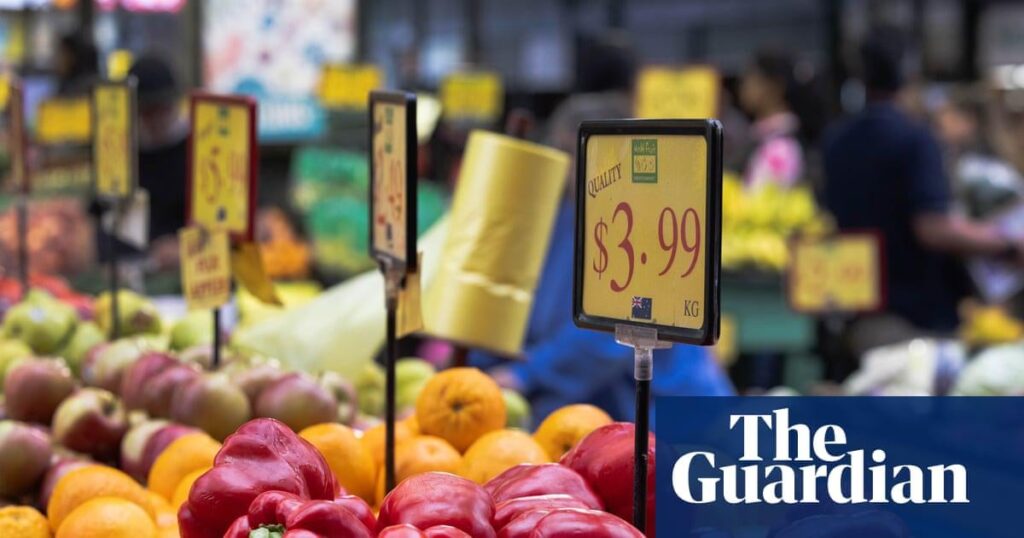
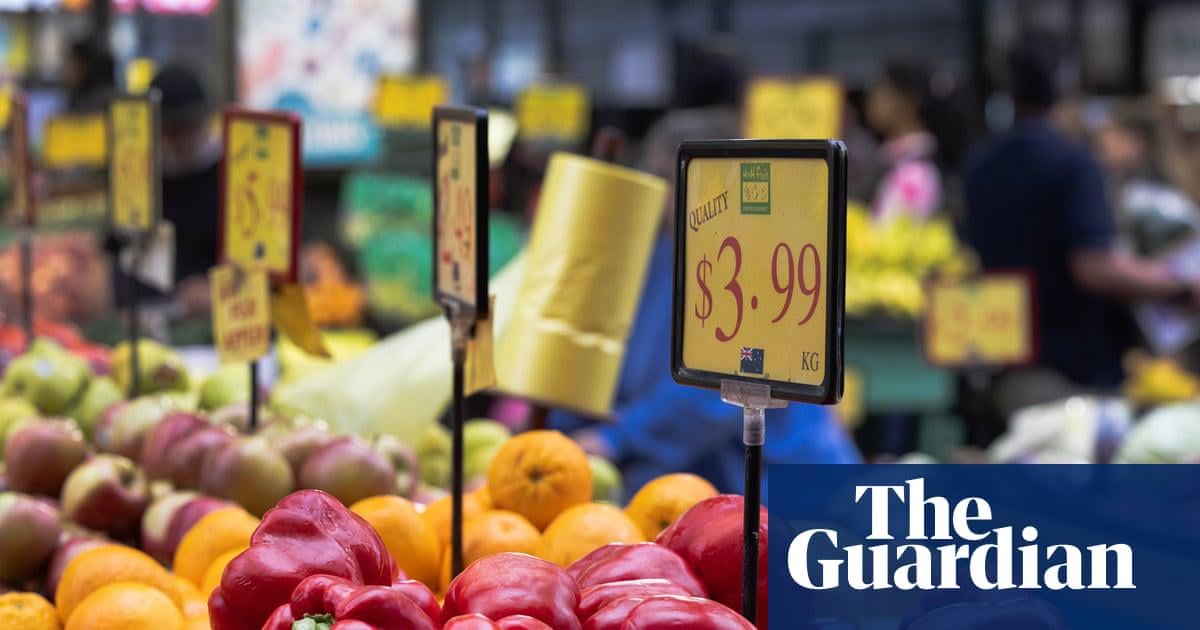
In the most striking example, which the analyst called the “capsicum paradox”, Woolworths charged 51% more for green capsicums when priced individually compared with when they were priced by weight. Most shoppers wouldn’t realise they were paying nearly $15/kg for a vegetable they could get for $9.90/kg on the shelf, the analyst said.
Red washed potatoes, mandarins, limes and carrots were all more expensive when priced per individual piece than weighed, with the potatoes 30% more expensive at their “per each” price.
Conversely, broccoli, brown and red onions, red chillis, red capsicums, black plums, apricots, bananas and truss tomatoes were all cheaper “per each” than when priced by weight. The broccoli and brown onions were respectively 43% and 39% cheaper at their “per each” prices compared with their per-kilo price in store.
https://www.theguardian.com/australia-news/2026/jan/23/the-capsicum-paradox-new-australian-supermarket-pricing-a-massive-transparency-fail-for-customers
4 Comments
Prices should be displayed for the loose weight or the packaged price, with the loose weight added.
I had noticed something like this (particularly celery) and spent some time between the two and using the scales trying to compare.
Interesting that green and red capsicums are different. Both colours are the same price when loose.
Noticed that as well, buy capsicum weekly for salad. Also noticed price discrepancies between red and green.
It’s even worse with those packs of 3 that include one each of red, yellow and green. It’s generally the price of the most expensive of the 3 for a kilo but you’re only getting 500g..