Rocky planet discovered in outer orbit challenges planet formation theory
https://www.sciencedaily.com/releases/2026/02/260213223857.htm

Rocky planet discovered in outer orbit challenges planet formation theory
https://www.sciencedaily.com/releases/2026/02/260213223857.htm
3 Comments
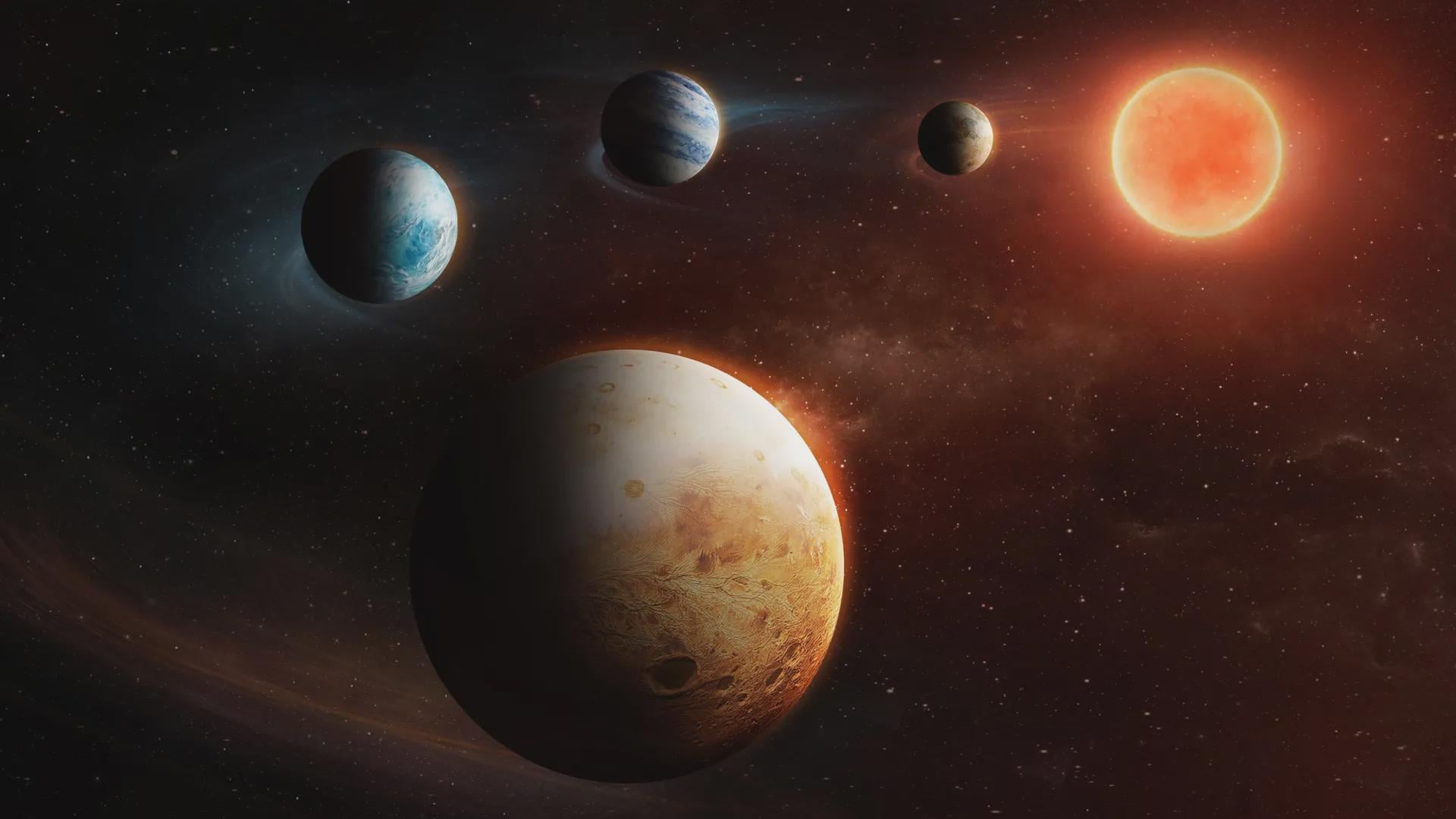
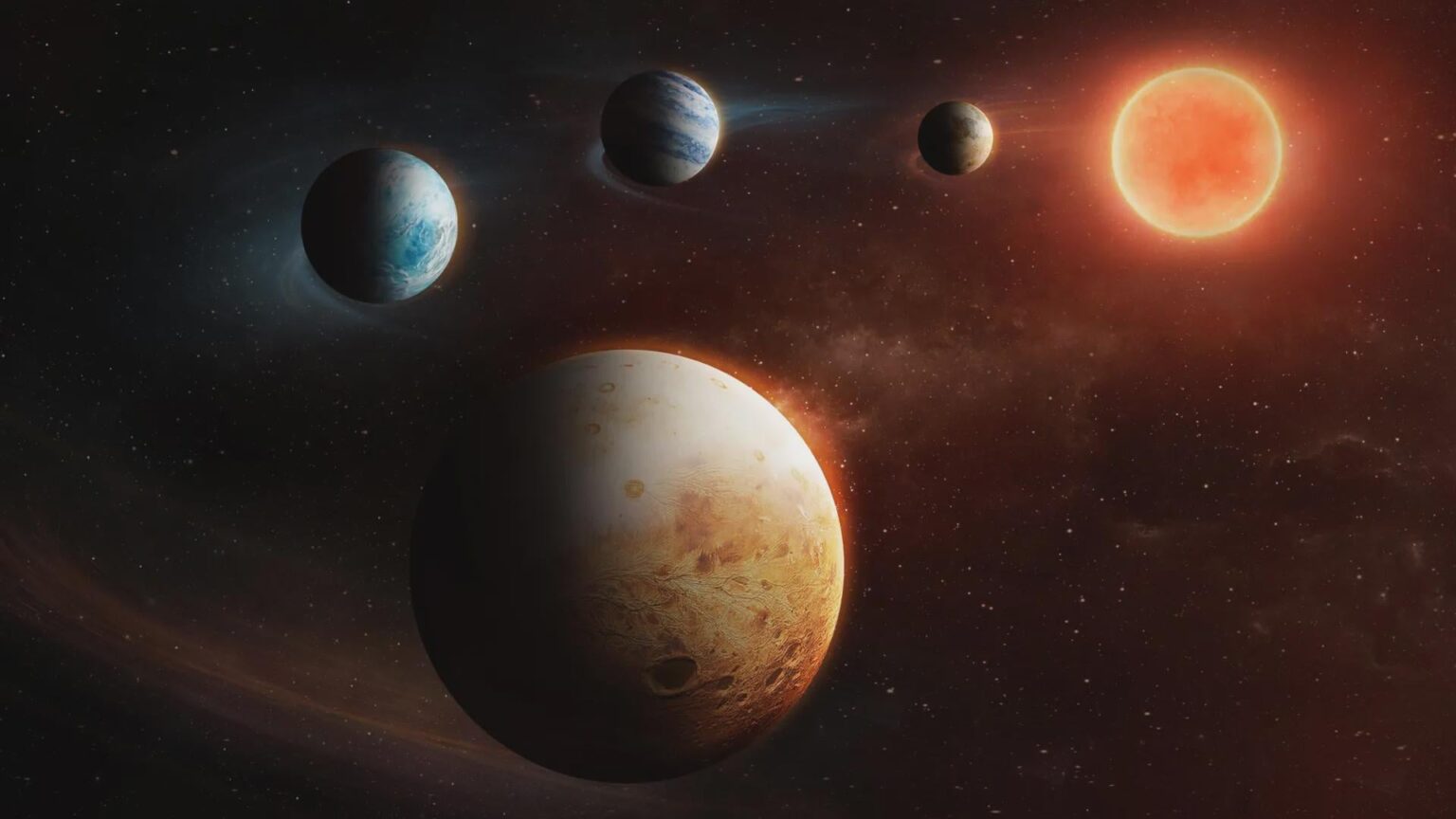
LHS 1903, 160ish light years away. Red Dwarf, 4 planets.
We just gonna ignore Pluto?
The title’s misleading. All four planets of LHS 1903 have masses exceeding three Earth masses, but the middle two are mini-Neptunes while the innermost & outermost planets are denser than Earth and lack atmospheres. This system is important because LHS 1903 e has a radius between 1.5 and 2 Earth radii, which is very rare due to a phenomenon called the radius valley. In most systems planets that form within this size range tend to shrink due to photoevaporation-driven loss of atmospheric material, but models show that LHS 1903 e formed via the gas-depleted hypothesis, where rocky planets don’t get thick atmospheres due to longer formation times. The gas-depleted hypothesis is believed to be the one that our own solar system was subjected to, so the discovery of another system where this happened supports that model being the one responsible for the relatively small sizes of our inner planets.