
The numbers tell the extent of the change better than any slogan. The global market for AI applied to pharmaceuticals is growing at an average compound annual rate of 40–43% until 2030. Today, 62% of companies in the sector already integrate artificial intelligence solutions in their research and development departments, with an expected growth of 45% in the next five years.
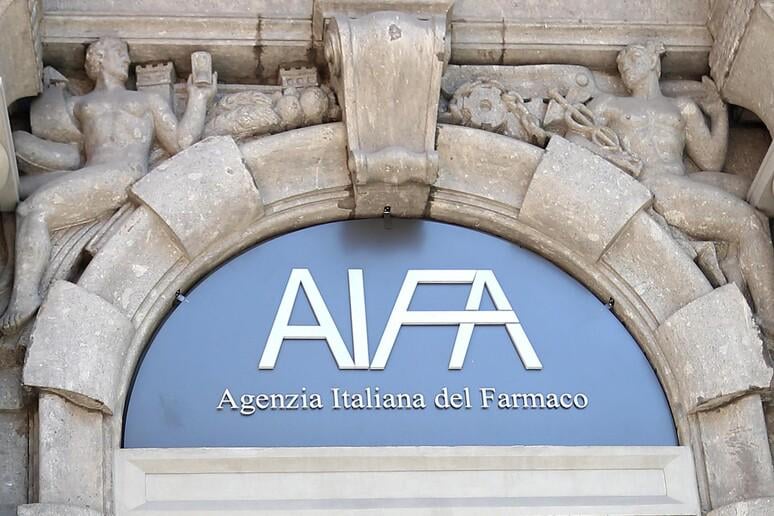
It is interesting to take a look at them because these documents obviously give the guidelines for the next few years, and being drawn up by the Italian drug agency, they concern us all.
In any case, there are all the sections on new drugs in clinical trials, the selection of candidates, privacy, decreasing drug development times, digital patients, etc. then there is the one on Italy:
Italy is also an active part of this transformation. In addition to AIFA, which has launched initiatives on independent research and digital HTA, numerous clinical and university centers are integrating AI into daily practice.
This is the case of the IRCCS “Carlo Besta” Neurological Institute Foundation in Milan, where, as scientific director Giuseppa Lauria Pinter explains, artificial intelligence is used to optimize clinical research protocols, from the identification of candidates to predictive analysis.
“AI can analyze historical data to identify optimal study designs, suggest more effective inclusion criteria and predict the duration and probability of success of studies,” explains the scientist. This translates into shorter times, fewer errors and higher data quality.
«The integration of AI is also involving public health governance structures – as underlined by Giovanni Pavesi, administrative director of AIFA – the challenge is to equip ourselves with the right tools to manage this new digital revolution and derive benefits from it for the entire pharmaceutical sector, both public and private».
The privacy part:
However, not everything that is technologically possible is automatically right or safe.
Artificial intelligence raises profound questions on an “ethical and regulatory” level. One of the main ones concerns the so-called “algorithmic opacity”: many systems, despite being effective, are true “black boxes”, difficult to interpret and verify.
What happens if the starting data is incorrect? What if an algorithm suggests the wrong drug? Who is responsible for it? The doctor, the programmer, the pharmaceutical company? We need a new framework of “shared responsibility”, which involves all the actors in the supply chain: from researchers to patients, through institutions.
Another issue is that of “privacy”. Analyzing clinical data requires access to extremely sensitive information. Their management requires secure, transparent and interoperable infrastructures, capable of protecting the patient but also of offering full access to the benefits of AI.
International projects such as “CONSORT-AI” and “TRIPOD+AI” are attempting to define global standards for the transparency and validation of algorithms, with the aim of encouraging responsible and sustainable adoption.
The conclusions:
During this dossier we have touched on the many aspects with which artificial intelligence is redefining the universe of health, pharmacological research and public health. We can summarize this change in “five fundamental pillars”:
“Acceleration of scientific discovery”: thanks to algorithms, today it is possible to identify molecules, therapeutic targets and pharmacological combinations in times and with drastically lower costs.
“Personalization of care”: each patient is unique. AI allows for genetic profiling and
clinically each individual to offer the most effective and safe therapy.“Clinical trial optimization”: from recruitment to protocol definition, to risk management and monitoring, clinical trials become faster, more targeted and accessible.
“Support for healthcare professionals”: intelligent tools help doctors, researchers and healthcare professionals to make better decisions, reducing errors and improving work organisation.
“Citizen involvement”: chatbots, virtual assistants and intelligent information systems make patients more informed, active and protagonists of their own health.
Posted by sr_local
4 Comments
Tra l’altro giusto ieri è uscito l’ennesimo studio su quanto l’AI migliora la detenzione dei tumori, ma quello che è importante è che hanno trovato che riduce anche il carico dei medici del 30%.
> The UK’s first comprehensive evaluation of the use of Artificial Intelligence (AI) in breast cancer screening found that it can increase breast cancer detection by 10.4% and has the potential to reduce the workload of healthcare workers by more than 30% compared to the current clinical process.
[Pioneering study finds AI increases cancer detection by more than 10 percent | News | The University of Aberdeen](https://www.abdn.ac.uk/news/25244/)
Cosa che per come è ridotta la nostra sanità, sarebbe ottima e benvenuta.
Mi piacerebbe fosse facoltativo ma personalmente sostituirei il medico di famiglia con ChatGPT da domani.
Da medico specialista, posso dire che il problema è che ad oggi la medicina è MINIMO 2/3 burocrazia e 1/3 clinica/chirurgia/diagnostica.
Il quantitativo di carta che produciamo per ogni paziente fa rabbrividire, negli anni è aumentato ed aumenterà ancora perché è un modo come un altro per scoraggiare l’uso delle risorse: alzarne la barriera di ingresso.
A me colpisce soprattutto il fatto che quando questi temi entrano in un dossier AIFA, smettono di essere chiacchiere e diventano parte di un agenda concreta dei prossimi anni.
Ovviamente però non c’è solo la parte entusiasmante: si l’AI può comprimere tempi, migliorare selezione dei candidati nei trial, supportare medicina di precisione e alleggerire pezzi di lavoro clinico e amministrativo, ma in un settore così delicato è importante fare meglio senza perdere controllo, non semplicemente di più come in altri settori meno delicati.
Se il modello è una black box, se i dati sono sporchi o se nessuno capisce dove finisce la responsabilità, il vantaggio tecnico da solo non basta.