Based on how the things had been going, private space stations are the way forward. For them to work well, there are IMHO two important things. Some kind of out-of-goverments revenue sources and less resistive, details dependant contracts from NASA. SpaceX had made spacecraft really cheap and should bring on some changes
cameron4200 on
I mean I hate capitalism but if these companies are making space stations and nasa isn’t that’s kinda just how it is
GimmeStarship on
Currently, companies are developing 7 space stations (and at least 4 space station modules that will be available for sale), of which 4 space stations (and the StarMax module) have built hardware or demonstration hardware (Haven-1, Starlab, Axiom, Thunderbird). Several of them were financially supported to some extent by NASA’s Commercial LEO Destinations program. But the point of the CLD program was that NASA wouldn’t fund all of their development, just some of it, and the companies/investors would do the “heavy lifting.” And so it went and went well (Axiom had a few problems with financing but they got back on track).
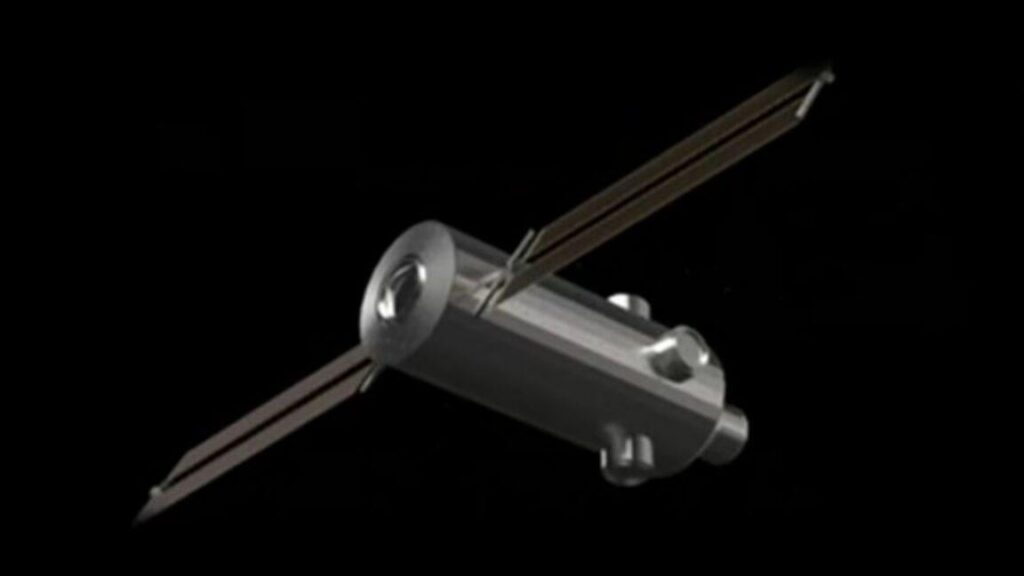
The second phase of the CLD is this year, where NASA will distribute a total of 1.5 billion USD to commercial space stations (as opposed to the 415 million in the first phase). But now, NASA (or at least Jared) wants these companies to build modules that will dock with the ISS, and NASA will provide a single module of its own, and when the ISS is retired the “new section” will detach and become a standalone space station.
Also, commercial space stations are in crazy demand and billions have been invested in the field. Now why Jared wants things this way, I don’t know. My idea is that maybe he’s looking for support from Congress (since NASA or maybe “legacy” friends) will produce that module of that new station while he cans SLS/Orion/Gateway.
breadtangle on
I’ve become so jaded by the Gateway station that almost any alternative now seems comparatively reasonable. Constantly hopping from one plan to the next is clearly harmful in the long term, but given how objectively poor our previous plans were, it’s hard to see a better option. A coherent national space program would be preferable to hoping that commercial efforts succeed on their own but I’m not confident that the U.S. government funding apparatus can produce something truly coherent. The last major attempt gave us Artemis and Gateway.
Spastic_pinkie on
Suppose if the solar and radiator panels are still good, would it be possible to detach the solar panel structure and dump the dump the modules into the Pacific? Then use the solar panel structure to attach science kits, telescopes ect that would use the power? Cuz if the solar panels are fine , it’d be a shame for them to go to waste.
EpsteinandTrump on
So SpaceGate? In space, no one can hear you scream either I guess?

6 Comments
Based on how the things had been going, private space stations are the way forward. For them to work well, there are IMHO two important things. Some kind of out-of-goverments revenue sources and less resistive, details dependant contracts from NASA. SpaceX had made spacecraft really cheap and should bring on some changes
I mean I hate capitalism but if these companies are making space stations and nasa isn’t that’s kinda just how it is
Currently, companies are developing 7 space stations (and at least 4 space station modules that will be available for sale), of which 4 space stations (and the StarMax module) have built hardware or demonstration hardware (Haven-1, Starlab, Axiom, Thunderbird). Several of them were financially supported to some extent by NASA’s Commercial LEO Destinations program. But the point of the CLD program was that NASA wouldn’t fund all of their development, just some of it, and the companies/investors would do the “heavy lifting.” And so it went and went well (Axiom had a few problems with financing but they got back on track).
The second phase of the CLD is this year, where NASA will distribute a total of 1.5 billion USD to commercial space stations (as opposed to the 415 million in the first phase). But now, NASA (or at least Jared) wants these companies to build modules that will dock with the ISS, and NASA will provide a single module of its own, and when the ISS is retired the “new section” will detach and become a standalone space station.
Also, commercial space stations are in crazy demand and billions have been invested in the field. Now why Jared wants things this way, I don’t know. My idea is that maybe he’s looking for support from Congress (since NASA or maybe “legacy” friends) will produce that module of that new station while he cans SLS/Orion/Gateway.
I’ve become so jaded by the Gateway station that almost any alternative now seems comparatively reasonable. Constantly hopping from one plan to the next is clearly harmful in the long term, but given how objectively poor our previous plans were, it’s hard to see a better option. A coherent national space program would be preferable to hoping that commercial efforts succeed on their own but I’m not confident that the U.S. government funding apparatus can produce something truly coherent. The last major attempt gave us Artemis and Gateway.
Suppose if the solar and radiator panels are still good, would it be possible to detach the solar panel structure and dump the dump the modules into the Pacific? Then use the solar panel structure to attach science kits, telescopes ect that would use the power? Cuz if the solar panels are fine , it’d be a shame for them to go to waste.
So SpaceGate? In space, no one can hear you scream either I guess?