Flinders Lane will become a “pedestrian first” street this year and other thoroughfares in the CBD will follow as part of a council plan to close some local roads to car traffic for part of the day.
The City of Melbourne will spend $5 million prioritising pedestrians on Flinders Lane by raising the road to the same level as the footpath and installing cobblestone traffic-calming devices.
The council also wants to close the lane and other nearby streets to traffic at busy times of day. Little Collins street is already closed between 12pm and 2pm.
Once the infrastructure works at Flinders Lane are completed, the council will focus on the rest of the CBD’s “little streets”: Little Collins, Little Bourke and Little Lonsdale streets, along with laneways such as Liverpool Street and Crossley Street. The council has earmarked $250,000 to review the next streets to tackle.
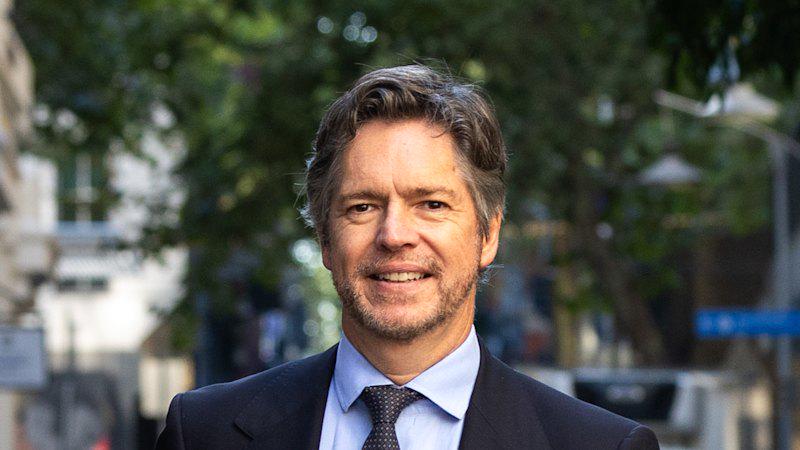
Lord Mayor Nick Reece said the “major pedestrianisation program for the Hoddle grid” was a centrepiece of the City of Melbourne’s budget, which will be released on Tuesday.
The little streets of Melbourne will become people-first, and we will be making the investment in infrastructure to deliver on that,” he said. “It’s very much designed to slow all the cars right down, make it very much a pedestrian priority zone.”
Reece said pedestrianising cities was a massive economic driver and provided a boost to shopping, retail and hospitality.
“We will be trialling closing the streets to cars for certain hours of the day to see how that works,” Reece said. “We will look closely at what it does to vehicle movements around the city. We will look closely at what it does to pedestrian movements around the city. My expectation is it will significantly lift pedestrian footfall in those areas.”
The City of Melbourne has taken inspiration from Greville Street in Prahran, which was remodelled to prioritise pedestrians in 2019, George Street in Sydney, which was also pedestrianised in 2019, and Oxford Street in London, where Mayor Sadiq Khan approved plans this month to ban traffic.
“The evidence is really clear: pedestrianisation of city streets, when done well and when done in the right locations, delivers a massive economic uplift,” Reece said. “That’s why from New York to London to Sydney, we are seeing this happen, and Melbourne is not going to be left behind.”
When Swanston Street was closed to traffic in 1992, the closure was executed in stages, and Reece said the pedestrianisation of other streets in Melbourne could follow a similar trajectory.
“We’re not going to come out tomorrow and say we’re banning cars – far from it,” he said. “We’re just going to very methodically build some of the new infrastructure, run trials of street closures, see how it affects the city, and then make an evidence-based decision about what we do going forward.”
Flinders Lane, Little Collins, Little Bourke and Little Lonsdale streets became “shared zones” in September 2020. Pedestrians were given right of way and speed limits were lowered from 40km/h to 20km/h. However, a review by the council found the changes did not go far enough, with motorists refusing to share the busy laneways and obey new speed limits.
Reece said there were “genuine safety issues” in Melbourne’s little streets, with people spilling off the footpaths onto the streets on busy nights.
The infrastructure works will be confined to the section of Flinders Lane between Elizabeth and Swanston streets initially. The access to office buildings’ underground car parks at the top of Flinders Lane has proved an obstacle to fully pedestrianising the street.
“Those car parks on the eastern end of the grid, that’s the subject of future discussion and future decision-making for council,” Reece said.
The council has also budgeted $23 million for “major footpath upgrades across the municipality”, and is four years away from completing the bluestone footpaths in Melbourne. Eighty-six per cent of the Hoddle Grid footpaths are now paved in bluestone.
“Remember Emperor Augustus – he found Rome made of concrete, and he left it made of marble,” Reece said. “Melbourne will soon be a city of bluestone.”
Zuki_LuvaBoi on
About time, this should have been done years ago, but better late than never. Especially Little Bourke St, it’s amazing how the footpaths are often overflowing with people, spilling onto the street but we prioritise these massive metal boxes often only carrying one or two people.
historicalhobbyist on
I’m still baffled by the decision to reopen flinders st. It was nice during the construction period.
deadballofdirt on
What I want to know is what will they do with the parking garages only accessible by these smaller streets?
Outside-Dig-5464 on
This is a great idea, but unless the road is 100% pedestrianised raising the road is dangerous. Children have been killed on roads like this by not seeing the raised section as a road.
Great idea, the City of Melbourne has been really progressive with these kinds of changes.
Unfortunately the Yarra Council is likely to block a similar change in Collingwood because of a bunch of NIMBYs are scared of bike lanes.
They already ripped up the Victoria Street bike lanes to add back more car parks.
wassailant on
This suggestion would seriously impact businesses on these roads. Delivery to these businesses would become more time consuming and expensive.
There’s a better middle ground IMO, make the small streets the same access as Swanston and Bourke – requires a permit and for drivers to prove they need to access the road.
I think closing the lanes off to traffic is a great idea! However, wasting money on re-building the roads whilst road infrastructure outside of the city centre are filled with pot holes or are worn down gravel roads is a foolish waste of money imo
olucolucolucoluc on
Huh? I could have sworn some “Little” streets in the CBD were already car free. Maybe they just were car free because the cars got fed up having to share with human beings (pedestrians).
beastnbs on
It’s such a small path, I always feel like I’m one step away from disaster.
Rexberg-TheCommunist on
How about Little Bourke Street in Chinatown while you’re at it. It’s utterly absurd having literally hundreds of people confined to the fringes of the street so that a handful of entitled drivers are able to pass through in their cars.
Street_Cod_4336 on
Good. Anytime I make the mistake of driving down there I curse myself for my idiotic decision.
Prestigious_Fan_1061 on
Will “they Do Something” about the Huge Garbage Dumpsters taking up more than Half the Foorpath??? I mean all that money in Fines going to waste and people with Disabilities being unable to use the “Footpaths” with heavy “Foot Traffic”.
Oh How do Cars access the numerous Car Park Entries from Flinders Lane if the Streets are Blocked Off? I’m sure the Car Parks will want to be compensated if their business drops off as a result. Remember these Car Parks can’t be accessed from Collins Street and most cant be accessed from Flinders!
Necessary_Emotion565 on
It’s difficult when you rely on cars due to disability.
Thouispure69 on
The more we can push Melbourne to be like Copehagen. A walkable utopia of calm beauty, the better things will be for all!

17 Comments
Flinders Lane will become a “pedestrian first” street this year and other thoroughfares in the CBD will follow as part of a council plan to close some local roads to car traffic for part of the day.
The City of Melbourne will spend $5 million prioritising pedestrians on Flinders Lane by raising the road to the same level as the footpath and installing cobblestone traffic-calming devices.
The council also wants to close the lane and other nearby streets to traffic at busy times of day. Little Collins street is already closed between 12pm and 2pm.
Once the infrastructure works at Flinders Lane are completed, the council will focus on the rest of the CBD’s “little streets”: Little Collins, Little Bourke and Little Lonsdale streets, along with laneways such as Liverpool Street and Crossley Street. The council has earmarked $250,000 to review the next streets to tackle.
Lord Mayor Nick Reece said the “major pedestrianisation program for the Hoddle grid” was a centrepiece of the City of Melbourne’s budget, which will be released on Tuesday.
The little streets of Melbourne will become people-first, and we will be making the investment in infrastructure to deliver on that,” he said. “It’s very much designed to slow all the cars right down, make it very much a pedestrian priority zone.”
Reece said pedestrianising cities was a massive economic driver and provided a boost to shopping, retail and hospitality.
“We will be trialling closing the streets to cars for certain hours of the day to see how that works,” Reece said. “We will look closely at what it does to vehicle movements around the city. We will look closely at what it does to pedestrian movements around the city. My expectation is it will significantly lift pedestrian footfall in those areas.”
The City of Melbourne has taken inspiration from Greville Street in Prahran, which was remodelled to prioritise pedestrians in 2019, George Street in Sydney, which was also pedestrianised in 2019, and Oxford Street in London, where Mayor Sadiq Khan approved plans this month to ban traffic.
“The evidence is really clear: pedestrianisation of city streets, when done well and when done in the right locations, delivers a massive economic uplift,” Reece said. “That’s why from New York to London to Sydney, we are seeing this happen, and Melbourne is not going to be left behind.”
When Swanston Street was closed to traffic in 1992, the closure was executed in stages, and Reece said the pedestrianisation of other streets in Melbourne could follow a similar trajectory.
“We’re not going to come out tomorrow and say we’re banning cars – far from it,” he said. “We’re just going to very methodically build some of the new infrastructure, run trials of street closures, see how it affects the city, and then make an evidence-based decision about what we do going forward.”
Flinders Lane, Little Collins, Little Bourke and Little Lonsdale streets became “shared zones” in September 2020. Pedestrians were given right of way and speed limits were lowered from 40km/h to 20km/h. However, a review by the council found the changes did not go far enough, with motorists refusing to share the busy laneways and obey new speed limits.
Reece said there were “genuine safety issues” in Melbourne’s little streets, with people spilling off the footpaths onto the streets on busy nights.
The infrastructure works will be confined to the section of Flinders Lane between Elizabeth and Swanston streets initially. The access to office buildings’ underground car parks at the top of Flinders Lane has proved an obstacle to fully pedestrianising the street.
“Those car parks on the eastern end of the grid, that’s the subject of future discussion and future decision-making for council,” Reece said.
The council has also budgeted $23 million for “major footpath upgrades across the municipality”, and is four years away from completing the bluestone footpaths in Melbourne. Eighty-six per cent of the Hoddle Grid footpaths are now paved in bluestone.
“Remember Emperor Augustus – he found Rome made of concrete, and he left it made of marble,” Reece said. “Melbourne will soon be a city of bluestone.”
About time, this should have been done years ago, but better late than never. Especially Little Bourke St, it’s amazing how the footpaths are often overflowing with people, spilling onto the street but we prioritise these massive metal boxes often only carrying one or two people.
I’m still baffled by the decision to reopen flinders st. It was nice during the construction period.
What I want to know is what will they do with the parking garages only accessible by these smaller streets?
This is a great idea, but unless the road is 100% pedestrianised raising the road is dangerous. Children have been killed on roads like this by not seeing the raised section as a road.
https://www.bailiwickexpress.com/news/killed-toddlers-parents-sickened-scrapped-road-safety-plans/
yessss👏 soo happy for this
Great idea, the City of Melbourne has been really progressive with these kinds of changes.
Unfortunately the Yarra Council is likely to block a similar change in Collingwood because of a bunch of NIMBYs are scared of bike lanes.
They already ripped up the Victoria Street bike lanes to add back more car parks.
This suggestion would seriously impact businesses on these roads. Delivery to these businesses would become more time consuming and expensive.
There’s a better middle ground IMO, make the small streets the same access as Swanston and Bourke – requires a permit and for drivers to prove they need to access the road.
No hint of the now [7 year old rethink of how Elizabeth St works](https://participate.melbourne.vic.gov.au/elizabethstreet/plan-overview) in this article, so I assume it’s not going to be part of this announcement. What a shame — sorely needed.
I think closing the lanes off to traffic is a great idea! However, wasting money on re-building the roads whilst road infrastructure outside of the city centre are filled with pot holes or are worn down gravel roads is a foolish waste of money imo
Huh? I could have sworn some “Little” streets in the CBD were already car free. Maybe they just were car free because the cars got fed up having to share with human beings (pedestrians).
It’s such a small path, I always feel like I’m one step away from disaster.
How about Little Bourke Street in Chinatown while you’re at it. It’s utterly absurd having literally hundreds of people confined to the fringes of the street so that a handful of entitled drivers are able to pass through in their cars.
Good. Anytime I make the mistake of driving down there I curse myself for my idiotic decision.
Will “they Do Something” about the Huge Garbage Dumpsters taking up more than Half the Foorpath??? I mean all that money in Fines going to waste and people with Disabilities being unable to use the “Footpaths” with heavy “Foot Traffic”.
Oh How do Cars access the numerous Car Park Entries from Flinders Lane if the Streets are Blocked Off? I’m sure the Car Parks will want to be compensated if their business drops off as a result. Remember these Car Parks can’t be accessed from Collins Street and most cant be accessed from Flinders!
It’s difficult when you rely on cars due to disability.
The more we can push Melbourne to be like Copehagen. A walkable utopia of calm beauty, the better things will be for all!