
Hi everyone,
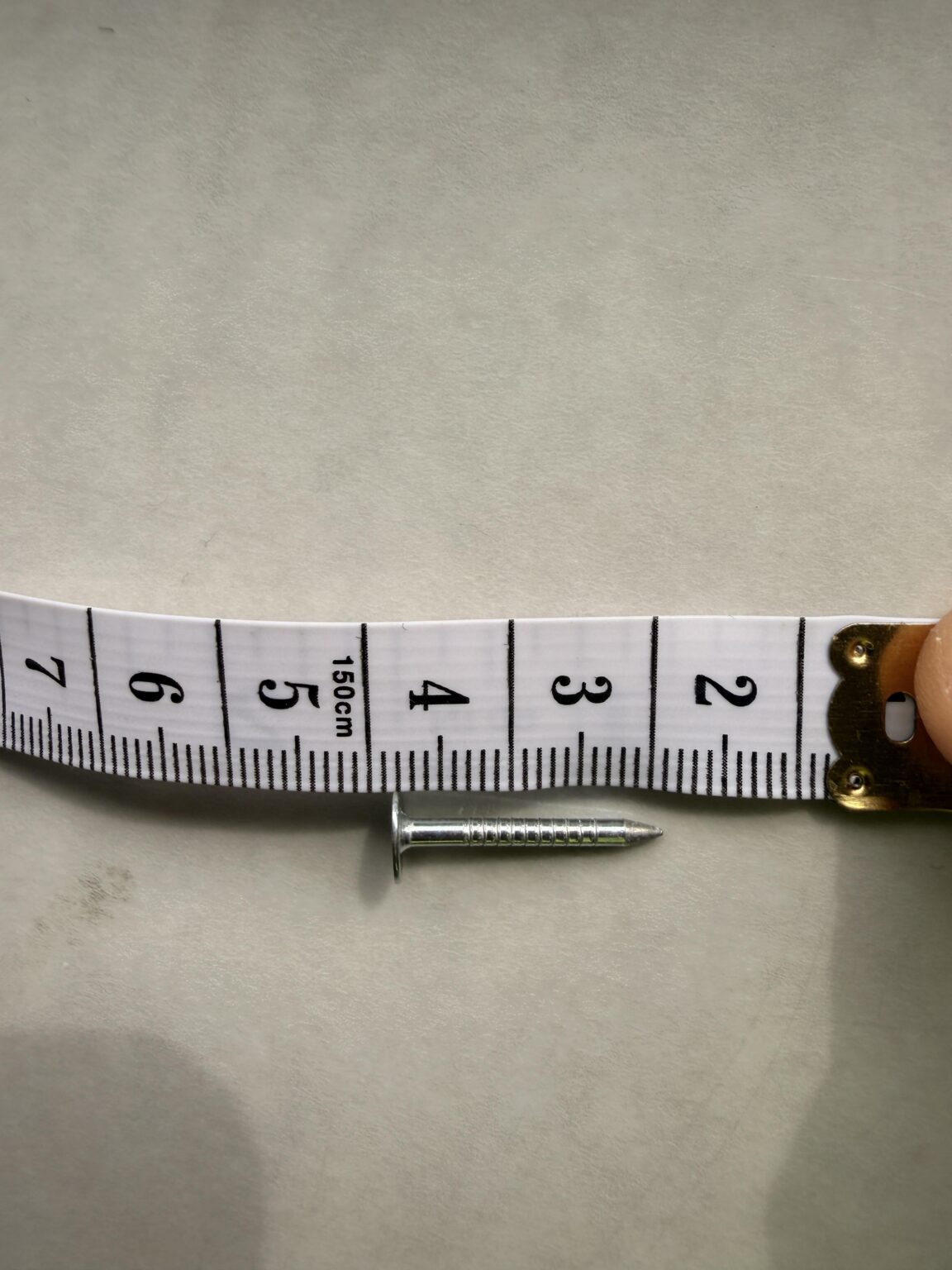
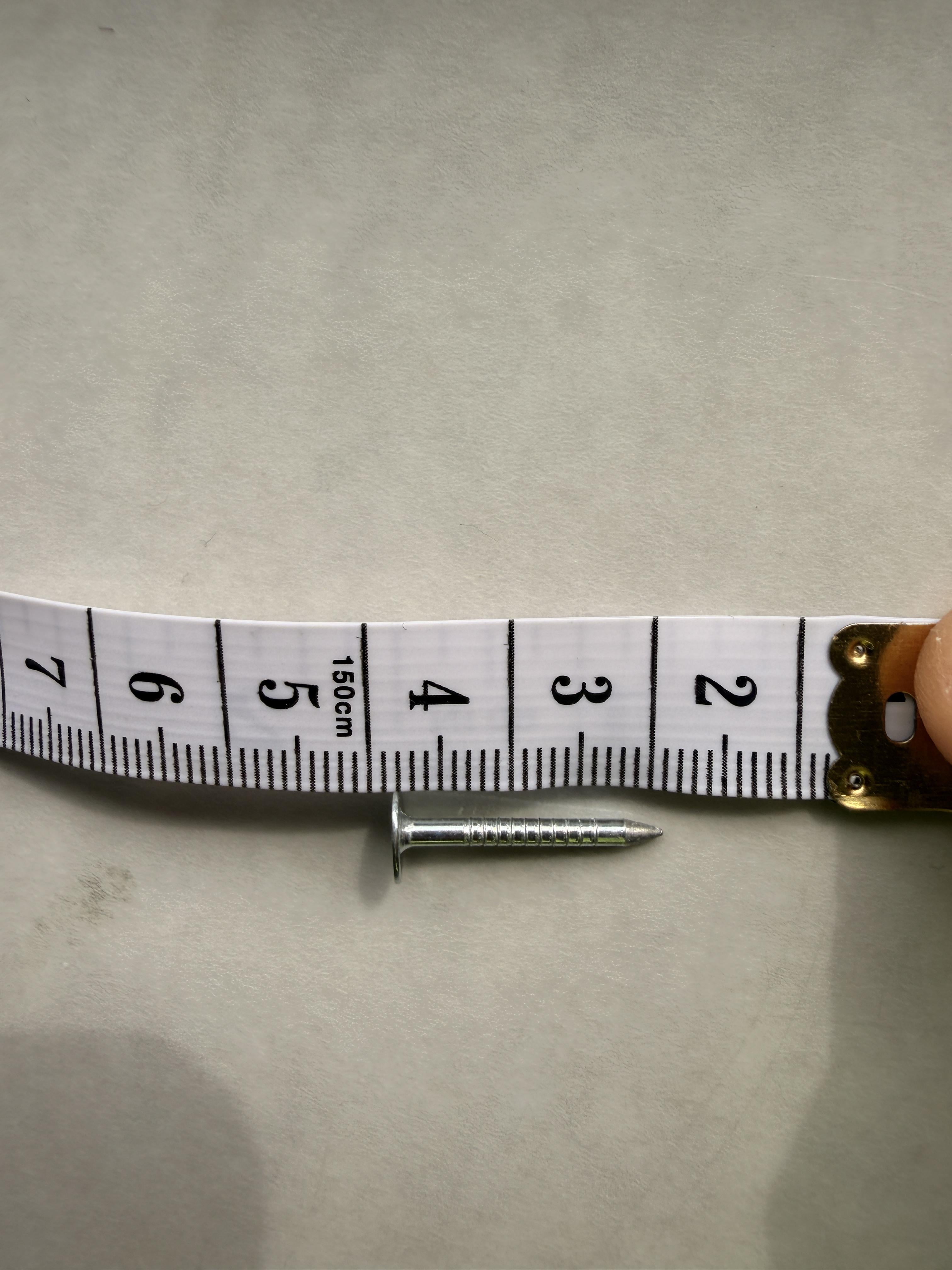
I was thinking of putting this 2 cm nail in the wall to hang a poster. Probably, I am overthinking, but I would like to know if I should check for electric cables in the wall before I hammer it. Or this is irrelevant because of the size of the nail and only important for drilling purposes?
Better safe than sorry xD
Thanks for your feedback!
EDIT: OK, I UNDERSTAND THAT CHECKING ELECTRIC CABLES IS A MUST. COULD YOU MAYBE RECOMMEND A CHEAP DEVICE THAT I CAN USE TO DETECT THIS IN MY WALLS?
https://i.redd.it/iiiaoz7cadug1.jpeg
Posted by Livid-Animator24
17 Comments
You should always check for cables in any instance where you are nailing or drilling a wall.
But cables usually run in straight paths, so as long as you are not nailing it straight above/to the side of an outlet or switch, it should be fine.
Edit: or below… I mean, usually my outlets are low and I don’t see myself nailing anything underneat them, but other comments mentioned and I guess it makes sense to highlight it just in case.
when placing the electric cables there is like a strict rule in germany ( so I was told when I drilled in the wall for my curtains)
so check for where your sockets are, the wires should go in a straight line up and at the top they meet so if ur not putting the nail right underneath a socket you should be fine
As a rule of thump. Do not drill or hammer nails in a wall, directly above, below or perpendicular in a straight line to a power outlet or light switch.
I hammered drilled and screwed countless things into walls here, and never, even once hit a cable.
Sticky tape if its really a poster
Yes, especially (but not exclusively) if you are near the “[Installationszone](https://www.sanier.de/elektroinstallation/installationszonen)”.
Look where the existing plug outlets in the room are, as well as where any light fixtures come out of the ceiling. Now imagine the shortest lines connecting them to each other. Most of the time, that’s where the wires will be. Go at least 10cm to the side and you should be fine.
As a rule, the plaster alone is 1.5 to 2 cm thick. There are guidelines regarding where electrical wiring may be routed. Horizontally, it should be about 30 cm above the floor (at outlet height) or 30 cm below the ceiling. If a cable needs to be routed from the bottom up (for light switches or wall sconces), it must follow a straight vertical line. You’ll be fine as long as you don’t hammer your nail into the spots I mentioned
If you don’t want to burn down your flat, then yes, it’s better to check whether there are any cables.
Yes
Kind of always yes, but like the other guy said, look up Installationszone. But there is always a chance some lazy guy ignored them.
Who nails a Poster to the wall?! Get a pack of blue tack instead.
That’s 1,8cm..
The question is, how do you want to check for cables? Depending on where you live (and how old your building is), the cable/pipe checkers (e.g. from Bosch) don’t really work. I did the same in my apartment and they showed that there are cables/pipes everywhere in a wall.
Ideally, yes, you’d check. Realistically, you might not have a good option for that. Check where your outlets are, and if you’re not drilling above one, you have a pretty good chance of no cables running through there.
I was personally much more worried about water pipes in a wall, which might be in some unexpected places.
You can buy a voltage finder to find out if you’re about to drill into something, they cost like 15 euros. 20 mm depth should be fine in most cases, but don’t rely on that info too much, it only takes one badly installed cable to ruin your day.
Always check!
And don’t trust that someone has installed the cables according to any regulations that might exist in you place!
I am speaking from experience…..
No, it will be a very vivid event if you hit one.
Joke aside, yes!
OP, you can get a tester device from most hardware stores. To detect electric wires, those wires must be “switched on”. So make sure the light-switch is flipped on. Those wires can also run in any direction and at least in my apartment, many of them are doing really weird curves or even clumped behind the walls.
Detecting steel or pipes is much harder because there is often rebar in the concrete and the device cannot differentiate between the two. But water/heater pipes should be more predictable and go mostly in straight lines, not snaking around like electric cables.