
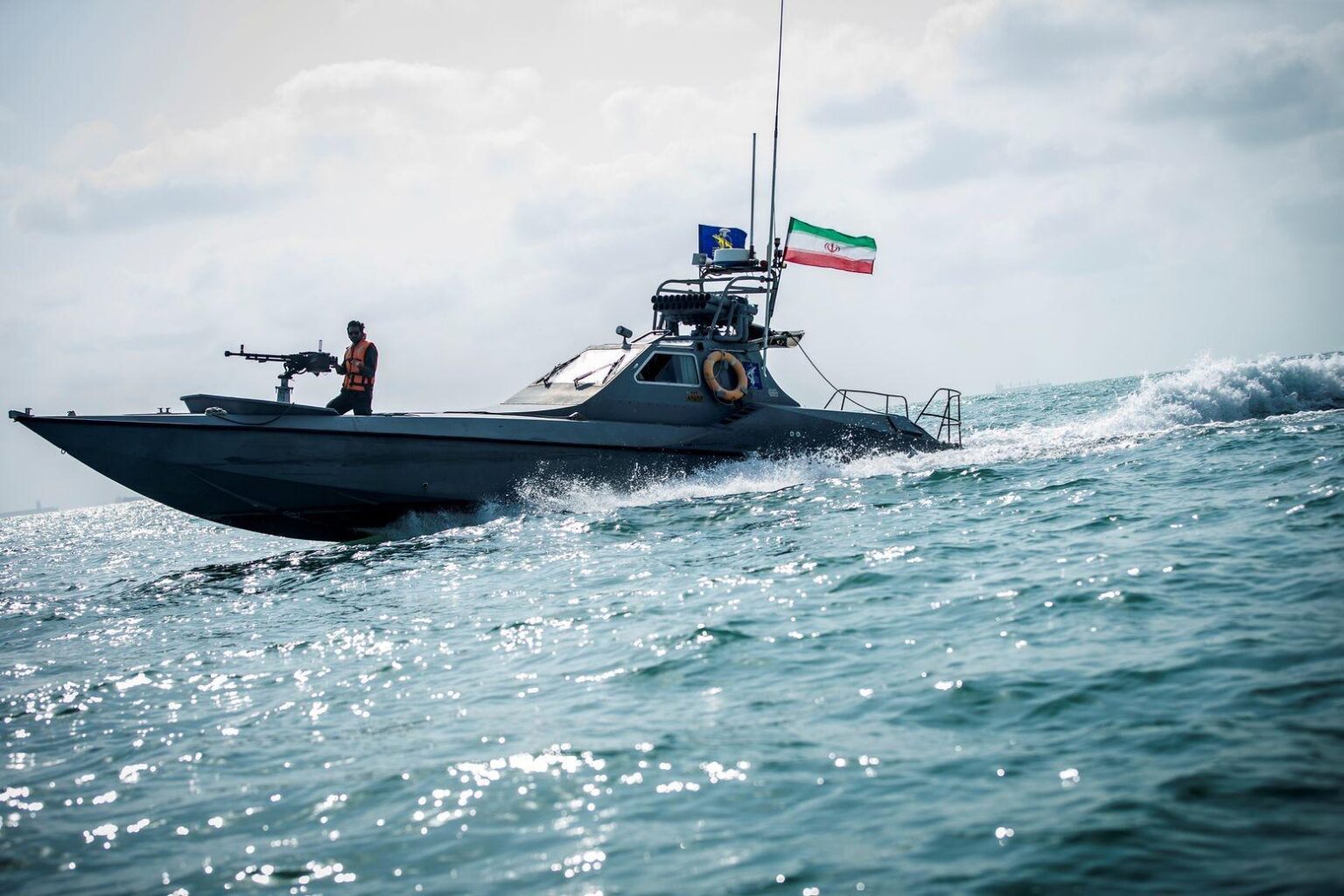
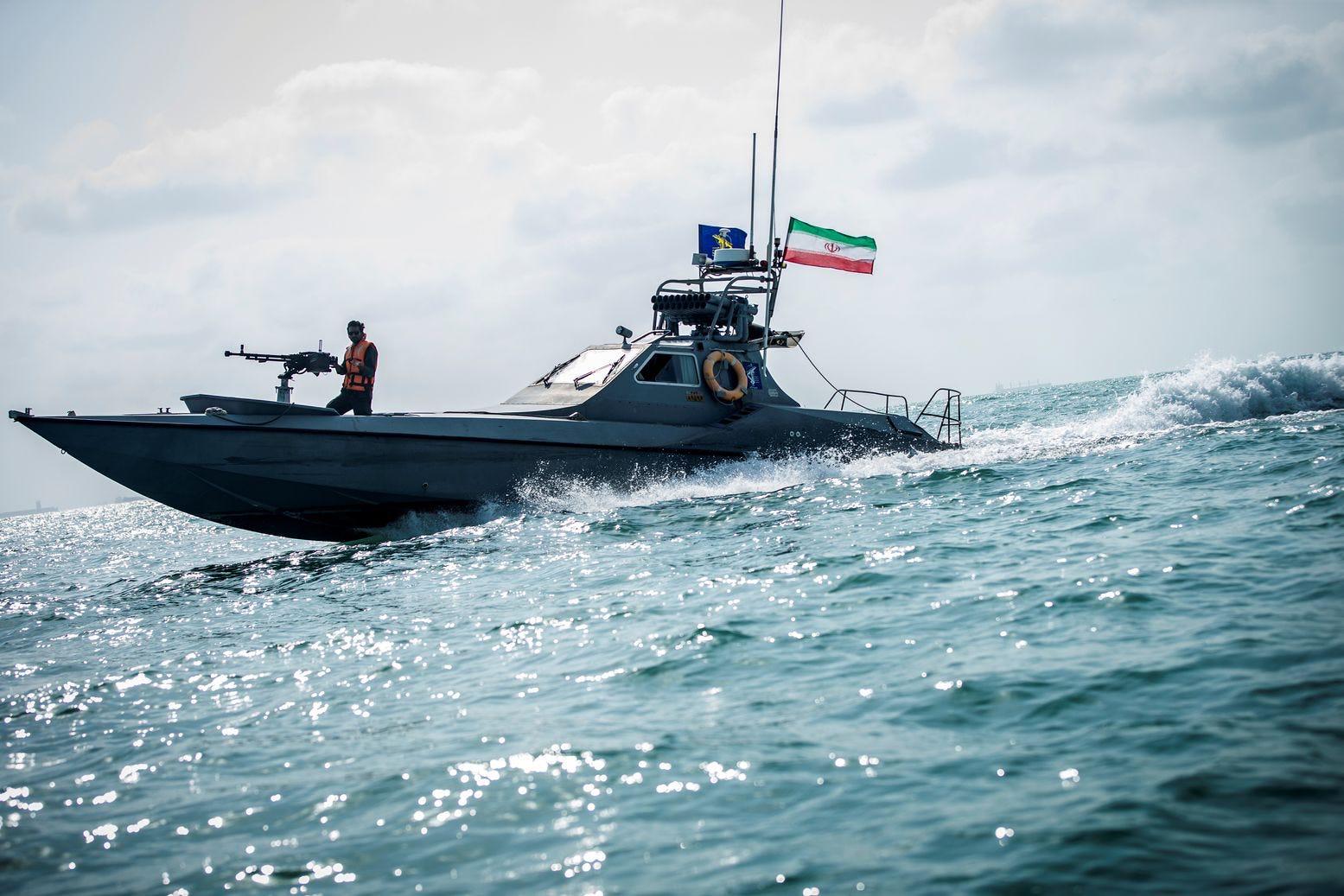
His name is Babak Morteza Zanjani. He embezzled billions from Iran’s national oil company. Convicted. Sentenced to death. Sentence commuted. And in 2025, the Islamic Republic freed him from prison for one purpose: to build the cryptocurrency infrastructure through which the IRGC now launders the revenue from its Strait of Hormuz toll system. The man who stole from the regime was released to steal for it.
Seven jurisdictions. Three blockchains. Two fiat currencies. Zero intervention points after the initial Bitcoin payment clears. The architecture was legislated in Iran’s parliament, codified in the “Strait of Hormuz Management Plan” on March 30, stress-tested across $94 billion, and staffed by a man the regime pulled from death row because he was the only person who knew how to build it.
Trump’s warships catch the ships. Bessent’s GENIUS Act catches the stablecoins. Nobody catches the gap between them. And the man who runs it was already supposed to be dead.
https://substack.com/@shanakaanslemperera/note/c-242795093?r=1108pg
9 Comments
Very insightful article thanks for the link.
This is wild if true
That’s a boat
Movie quality!
Why does this read as if it was written by ChatGPT?
*Seven jurisdictions. Three blockchains. Two fiat currencies. Zero intervention points.*
And a partridge in a pear tree.
When Netflix adaptation?
Whats this the rock? They dont know how to receive bitcoin now. ?
Why not a privacy coin? Market cap is too small?
It should be anonymous enough to the point of nobody knowing how it works. Then it would be a sign that it works good. It shouldn’t be flying though any exchanges, whoever manages them. Using USDT on Tron, which can be frozen, is also stupid.
>The captain has seconds to pay in Bitcoin. Payment confirms on-chain…. Within minutes it hops to a second-layer address with no attribution.
BTC doesn’t transact in seconds. It just doesn’t, and I don’t think they’re using Lightning.