
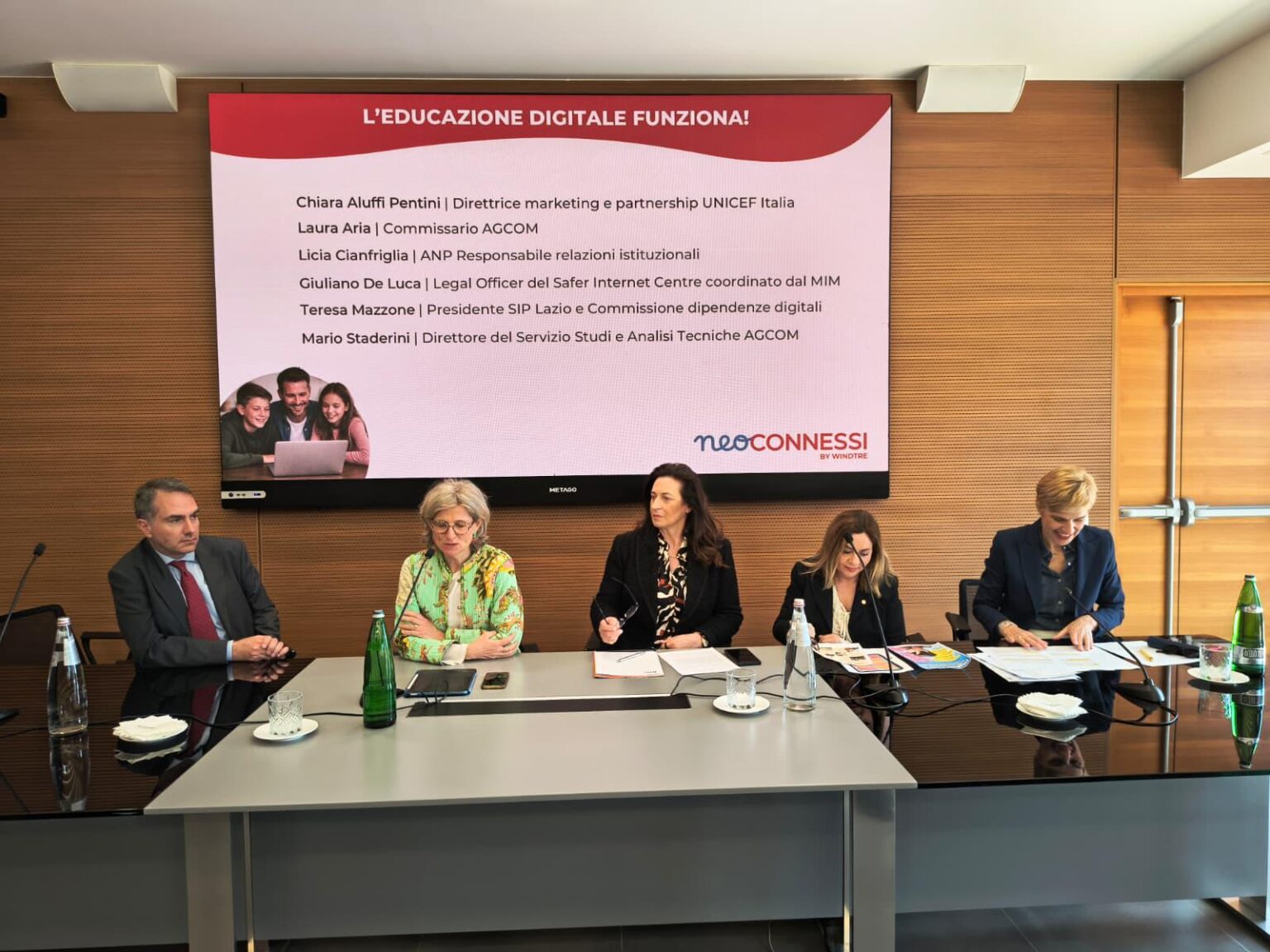
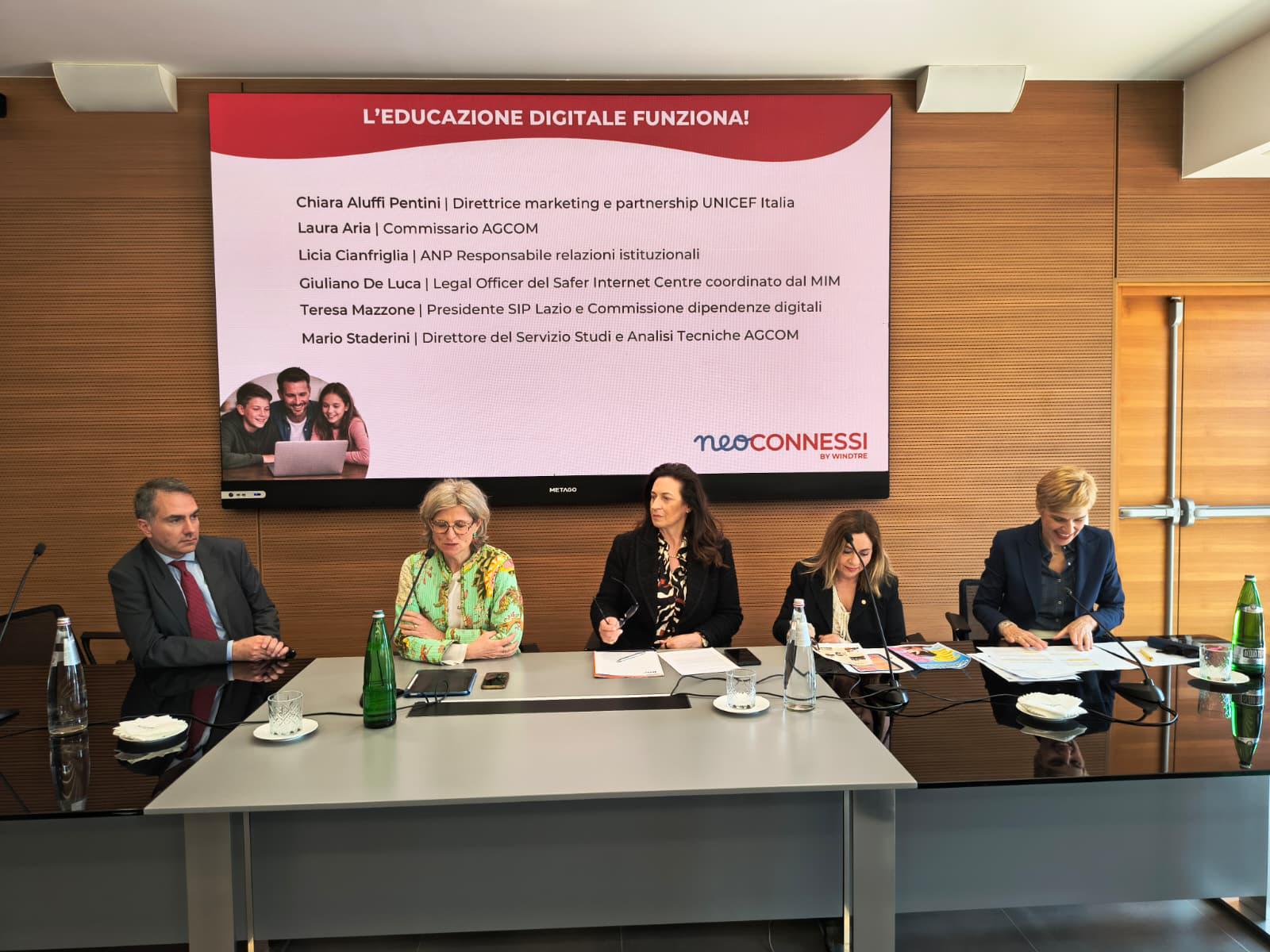
It knows a bit about commercials but the important thing is to give education in this area from an early age, the data can be consulted here: https://www.scuola.net/uploads/media/default/0001/30/fbdb21f7b7980584db7f1697c305cf8246e57fe6.pdf
Except that these programs should be carried out by the State, not a private company to fulfill ESG obligations!
——
The dimension of the research: the sample
The assessment is based on several surveys carried out between September 2025 and February 2026, involving:
- Primary school students: 219 respondents.
- Secondary students: 752 pupils.
- Teachers: 143 teachers participated in the impact survey, while over 6,000 responses were collected from teachers participating in the training courses.
- Families: 187 households interviewed to map digital literacy and resource effectiveness.
What the students interviewed say
The data shows that our students are "immersed" in digital early: between the students interviewed of primary school, the 72% already searches online and the 26% has already interacted with Artificial Intelligence tools.
Thanks to NeoConnessi’s activities, tangible progress has been recorded:
- Development of new skills in primary school. The level of digital competence among primary school pupils surveyed rose from 82% to 90%with points of improvement in some areas such as netiquette (+19%).
- Greater awareness in lower secondary schools. Among the secondary school students interviewed, the ability to select sources, for example, increased by 13%a sign of a more critical and less passive approach to the internet.
- Digital well-being. L’80% of the primary school students interviewed now say they pay more attention to their screen time.
The point of view of the teachers interviewed
For teachers, NeoConnessi confirms itself as a fundamental support for daily teaching:
- Il 98% of the teachers interviewed said they feel more prepared to face the challenges of digital in the classroom after the course.
- Il 79% of the teachers interviewed believe they have received concrete ideas and immediately applicable.
- Beyond the 90% of the teachers interviewed observed in their students a significant improvement in cognitive skills and collaboration.
The systemic effect: from school to family
One of the most interesting results detected by Triads concerns the school’s ability to positively influence the home environment. Although 3 out of 4 parents initially declare uncertainty in guiding their children online, after the project regarding the89% of the students interviewed reported having noticed a more conscious use of devices even by their family members.
https://www.scuola.net/news/1163/neoconnessi-impatto-della-digital-education
Posted by sr_local
2 Comments
> sa un po’ di spot
Lo è.
Vedremo se la ricerca è fondata su dati imparziali, oppure se è propaganda come sospetto
Che poi, come diamine fai a misurare il miglioramento in termini numerici quando si tratta dell’apprendimento?
I genitori che vietano l’accesso dei figli a dispositivi e internet stanno contribuendo alla formazione di una nuova élite, destinata ad ottenere il controllo sulla massa incapace di formare un pensiero coerente e con una soglia dell’attenzione di un pesce morto.