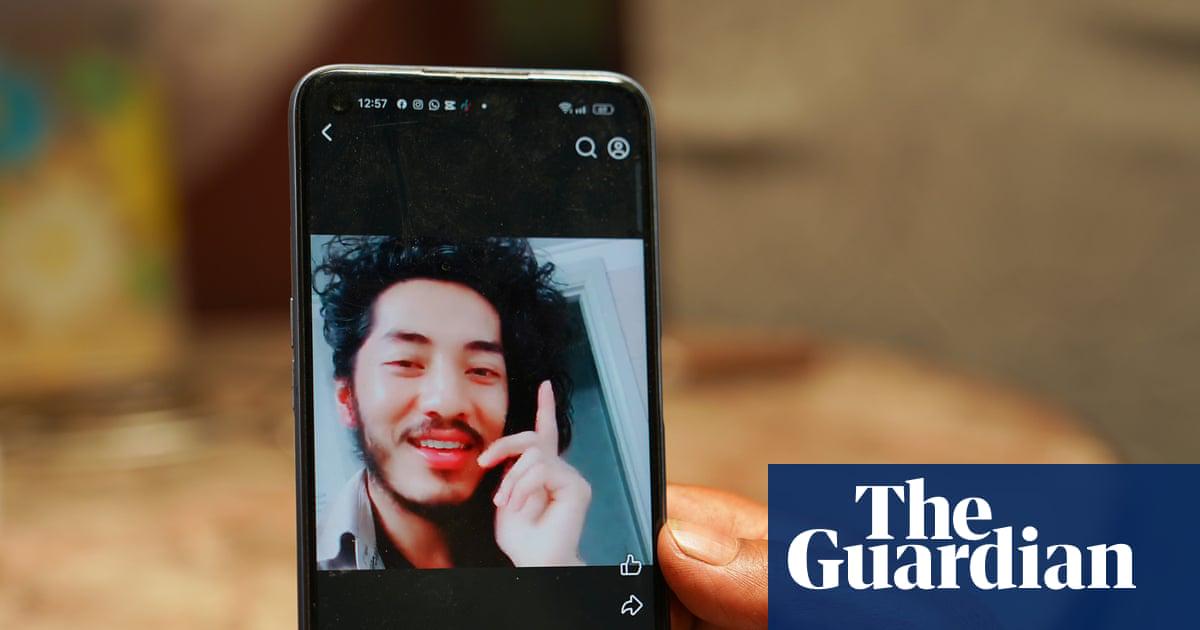
When ‘the birdman’ of St James tunnel died, Sydney commuters streamed past his body for days
Posted by quoththeraven1990

When ‘the birdman’ of St James tunnel died, Sydney commuters streamed past his body for days
Posted by quoththeraven1990
6 Comments
Incredibly sad.
It’s a sad situation, but the tone of this article is remarkably judgemental towards thousands of people who are just going about their days. You can’t possibly expect people going about their day to be doing thorough welfare checks on the visibly homeless people they pass each day.
*It exposes a glaring gap in federal and state responses to homelessness, which makes it impossible for support services to deliver housing, healthcare and financial assistance to people like Lama who came to Australia legally but lost their visa status or never obtained permanent residency.*
Well, yes. That gap *should* exist. People should be deported if they’re here illegally, as this man was. For their own good, and for the good of the wider community. Imagine if the government started providing housing, healthcare and financial assistance – which it barely does for its own struggling citizens – to those illegally here because they’ve overstayed their visas.
This is very sad!
Housing is certainly a human right… I remember SBS reported that Centrelink doesn’t offer the homeless much allowances, and the waitlist for public housing is long.
For the non-residents the government could place them in detention centres until they’re deported or their visa is sorted.
This is so sad and tragic.
While very sad, I feel this article is oddly judgemental – maybe it’s outrage bait?
As a commuter it is not my responsibility to investigate resting human forms in bushes. If I saw it, I’d presume it was a sleeping homeless person or drug user – who I’d rather not disturb.
I feel any fault lies with police that routinely patrol the area. I’d much rather more of my tax dollars went to homeless support services, I vote as best I can.
Drifters who refuse to go back to where support exists and then “fall through the cracks” happens everywhere, why does this article not mention the option of simply going back to Nepal? Presumably he didn’t want to face the shame of disappointing his family, but it’s a bit odd to then pin it morally on commuters who happened to share the public space. If I decided to seek my fortune in, say, Japan, and failed and just refused to go home, should I expect the Japanese government to provide for me despite having no visa and refusing to go home?