Banks Are Finally Realizing What Climate Change Will Do to Housing
https://www.wired.com/story/banks-are-finally-realizing-what-climate-change-will-do-to-housing/

Banks Are Finally Realizing What Climate Change Will Do to Housing
https://www.wired.com/story/banks-are-finally-realizing-what-climate-change-will-do-to-housing/
4 Comments
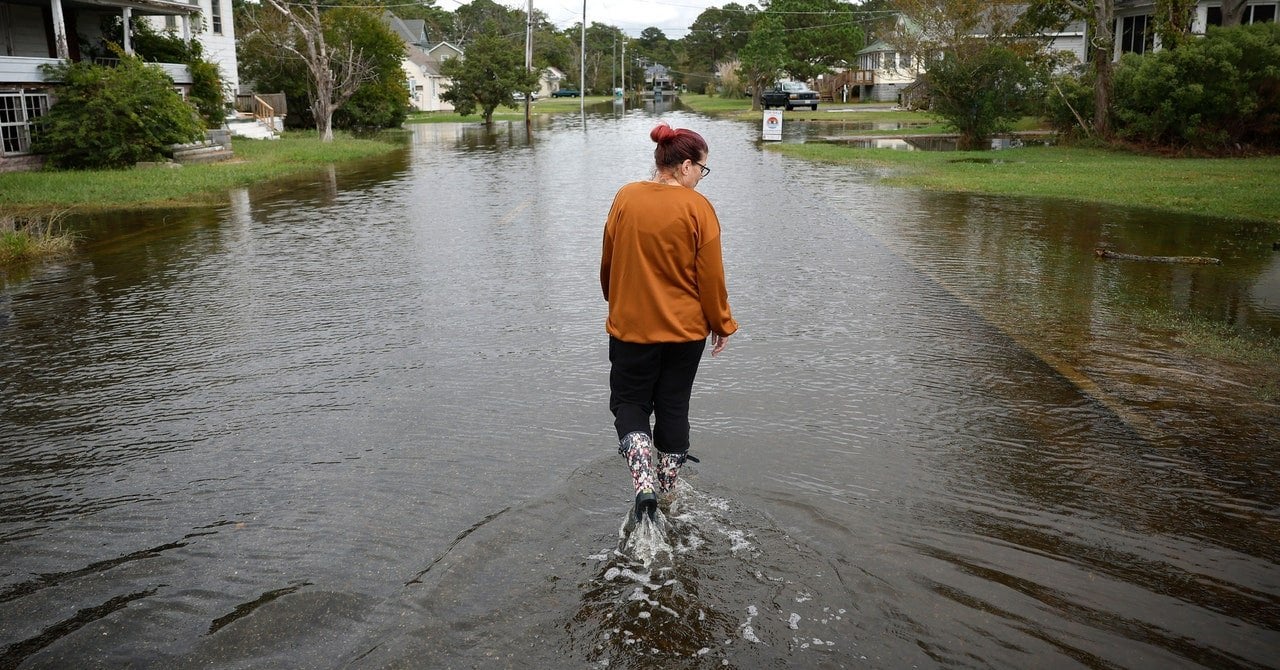
Rising sea levels, biodiversity collapse, extreme weather—these are the grisly horsemen of climate apocalypse. But don’t forget the fretting loan officers. [A study published earlier this year](https://www.sciencedirect.com/science/article/abs/pii/S0927539823001123) found that US mortgage approvals tend to dip following periods of hotter-than-normal weather. For every 1 degree Celsius that temperatures rise above average, approvals fell by nearly 1 percent—and their value by more than 6.5 percent.
Lower consumer demand was only part of the problem, according to the study’s authors. The effect was mostly down to loan officers’ worries about climate change and what it might mean for the assets they were lending against. In other words, climate change was devaluing property before their very eyes.
Full story: [https://www.wired.com/story/banks-are-finally-realizing-what-climate-change-will-do-to-housing/](https://www.wired.com/story/banks-are-finally-realizing-what-climate-change-will-do-to-housing/)
As weather becomes more extreme, and home insurance becomes out of reach in some areas, getting mortgages will be impossible in those same areas since insurance is a requirement for a loan. Many people are simply being dropped from coverage as insurers start to abandon some markets.
Is this what it takes to get some people to pay attention? Real financial consequences at a personal level?
I was Houston ten days ago for work. It was hotter than I imagined and it was even worse this past weekend. Our entire south is in jeopardy due to heat and flooding.
And their solution is ~~stopping the funding fossil fuels~~, cut people off from insurance
Absolute crap study. A 1% decline is a statistical error and there’s no way to control in such a study. Furthermore no loan officer gives two f’s about the assets they’re lending against — climate worries or otherwise. They’re trying to earn that loan origination fee. It’s a volume business.
Higher ups at the bank? Sure, they might start to think twice about the assets they’re adding to their books. But certainly not the loan officers.