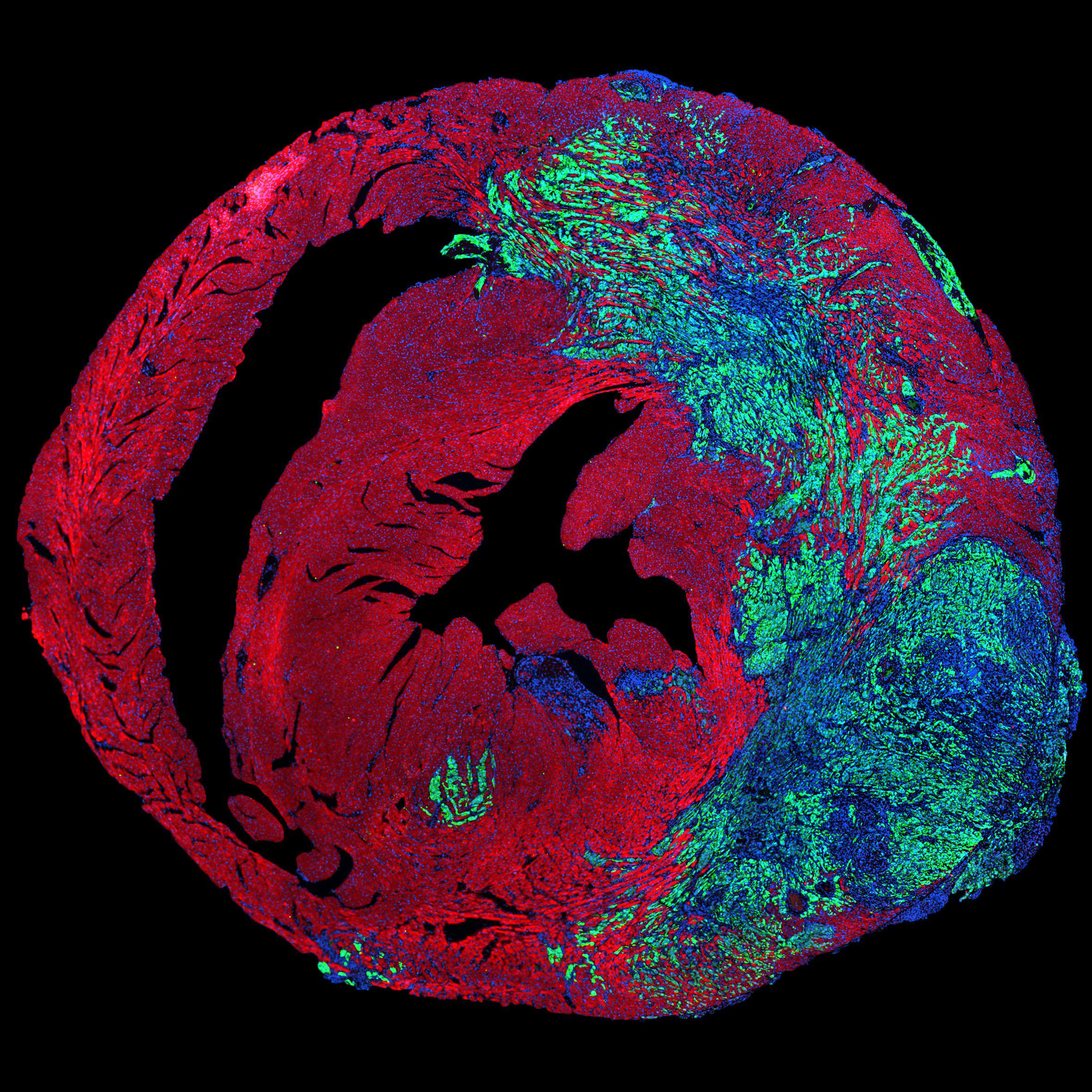
Heartbeat’s mechanical force found to suppress tumour growth: « An international study reveals how mechanical forces in cardiac tissue inhibit cancer cell proliferation. »
Heartbeat’s Mechanical Force Found to Suppress Tumour Growth

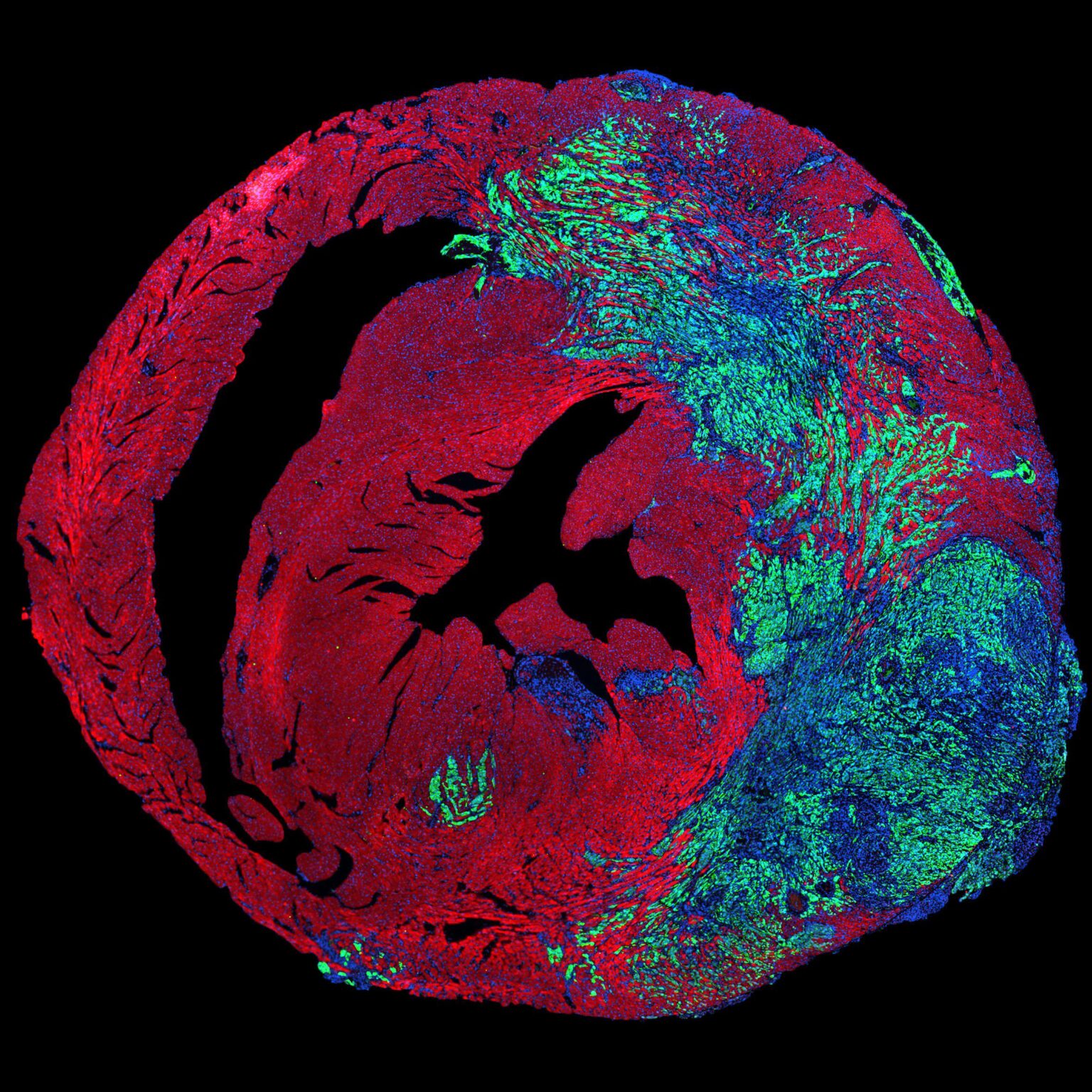
Heartbeat’s mechanical force found to suppress tumour growth: « An international study reveals how mechanical forces in cardiac tissue inhibit cancer cell proliferation. »
Heartbeat’s Mechanical Force Found to Suppress Tumour Growth
3 Comments
>Our findings show that the heart’s pulsation is not merely a physiological function but may act as a natural suppressor of tumour growth. This suggests that the cardiac environment is unfavourable to cancer cells not only for immunological or metabolic reasons, but also because its continuous mechanical activity physically constrains their expansion.
Reference: Giulio Ciucci et al., Mechanical load inhibits cancer growth in mouse and human hearts. Science 392, eads9412 (2026). DOI: 10.1126/science.ads9412. https://doi.org/10.1126/science.ads9412
Academic voice This is a fascinating intersection of biophysics and oncology. The finding that cardiomyocyte contractile force itself—separate from just chemical signaling—can be a tumor-suppressive mechanotransduction cue is significant. It suggests a new axis in the seed and soil hypothesis, where the mechanical soil of certain tissues is inherently hostile to metastasis. Would be keen to see follow-up on whether engineered biomaterials that mimic this specific rhythmic strain could have therapeutic potential.