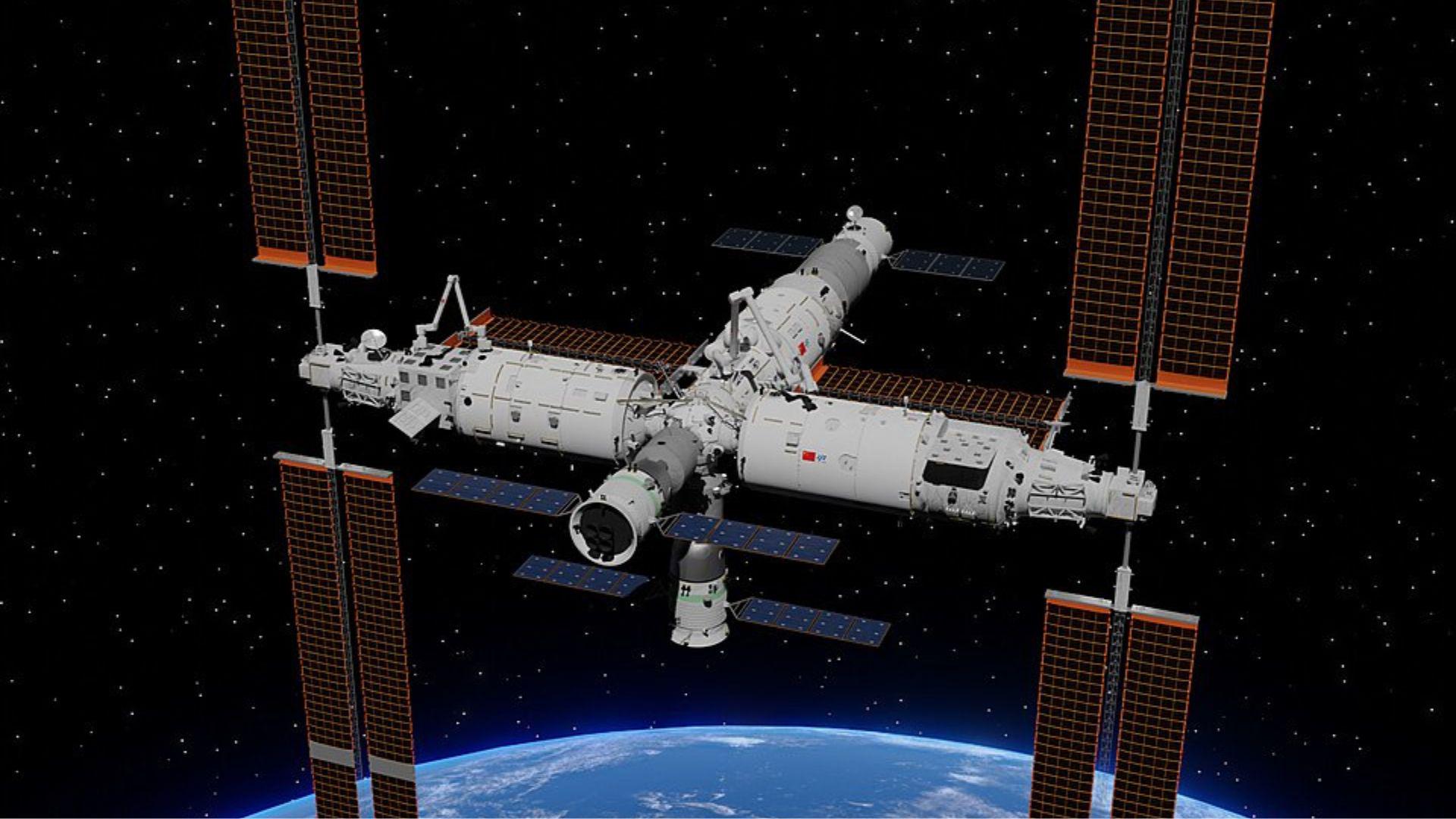
China reveals 198-ton ‘six-module’ plan for Tiangong space station as ISS era ends
https://interestingengineering.com/space/china-reveals-six-module-plan-for-tiangong

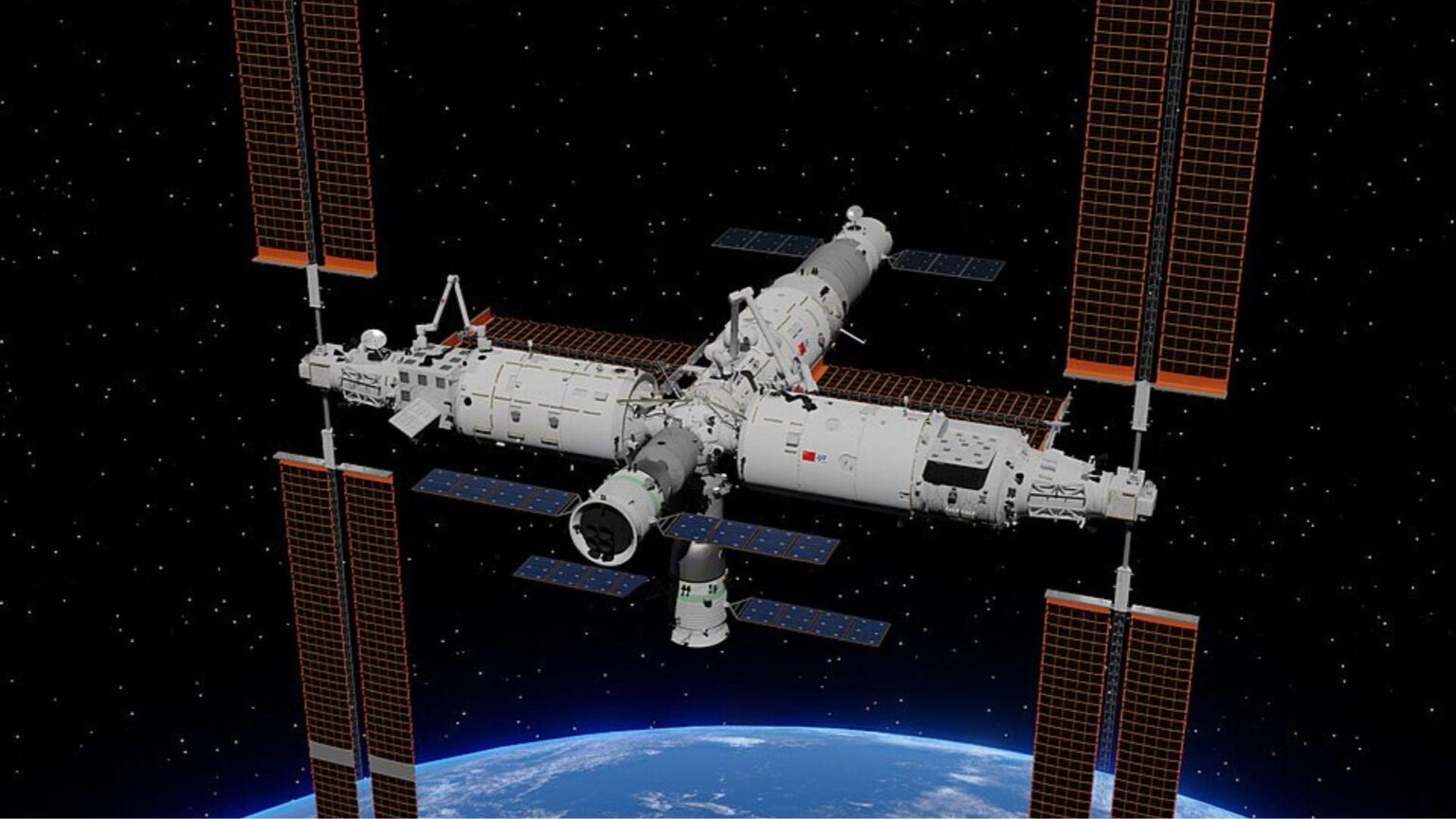
China reveals 198-ton ‘six-module’ plan for Tiangong space station as ISS era ends
https://interestingengineering.com/space/china-reveals-six-module-plan-for-tiangong
4 Comments
The US-China space race is set to intensify on the orbital front. With the International Space Station (ISS) set to retire in 2030, the US still has to finalize a potential replacement.
On the other hand, China has already solidified its position in low Earth orbit with its Tiangong space station. In fact, recent reports suggest that China is planning to expand its space station in the coming years.
It’s simultaneously exciting and depressing watching China build the science fiction future while my own country seems to want to regress back into the nineteenth century.
imo the underrated part is continuity. if one side can keep a permanent station program running while the other has a gap, they set norms for partnerships, experiments, even who gets flight heritage on new systems. the hardware matters, but the calendar matters just as much.
It really seems that China is just doing all the things these days