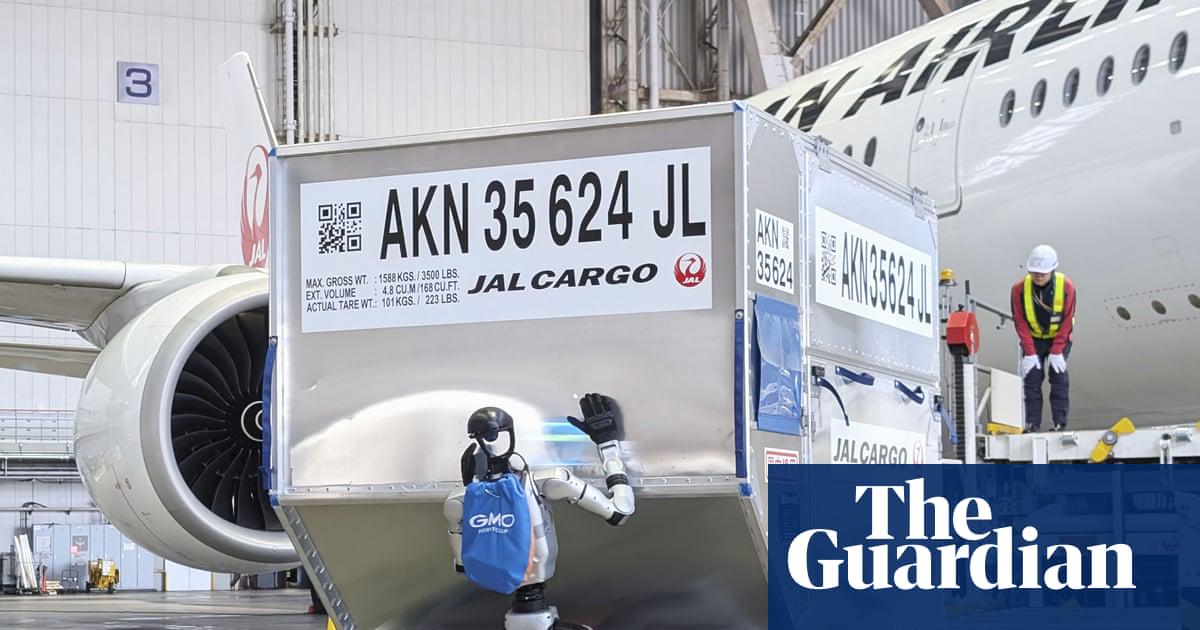
Japan Airlines will introduce the robots for trial run at a Tokyo airport amid country’s surge in inbound tourism and worsening labour shortages
https://www.theguardian.com/world/2026/apr/28/humanoid-robots-baggage-handlers-japan-airports

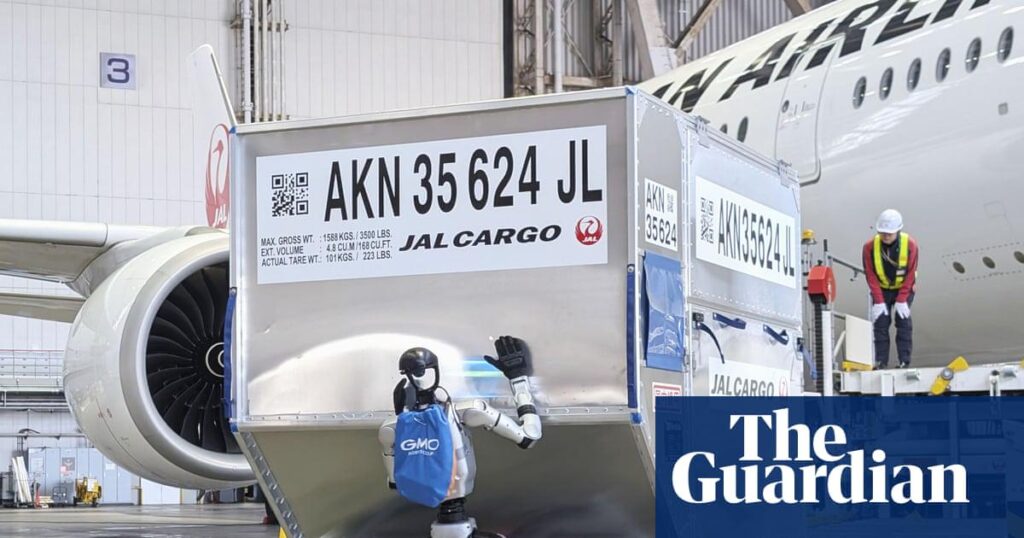
Japan Airlines will introduce the robots for trial run at a Tokyo airport amid country’s surge in inbound tourism and worsening labour shortages
https://www.theguardian.com/world/2026/apr/28/humanoid-robots-baggage-handlers-japan-airports
1 Comment
From the article
Japan’s famously conscientious but overburdened baggage handlers will soon be joined by extra staff at Tokyo’s Haneda airport – although their new colleagues will need to take regular recharging breaks.
Japan Airlines will introduce humanoid robots on a trial basis from the beginning of May, with a view to deploying them permanently as a solution to the country’s [chronic labour shortage](https://www.theguardian.com/world/2023/dec/30/how-can-such-a-tiny-woman-drive-a-big-truck-japans-labour-shortage-forces-it-to-rethink-gender-stereotypes).
The Chinese-made humanoids will move travellers’ luggage and cargo on the tarmac at Haneda, which handles more than 60 million passengers a year.
JAL and its partner in the initiative, Japan Airlines GMO Internet Group, hope the experiment – which ends in 2028 – will lessen the burden on human employees amid a surge in inbound tourism and forecasts of more severe labour shortages.