
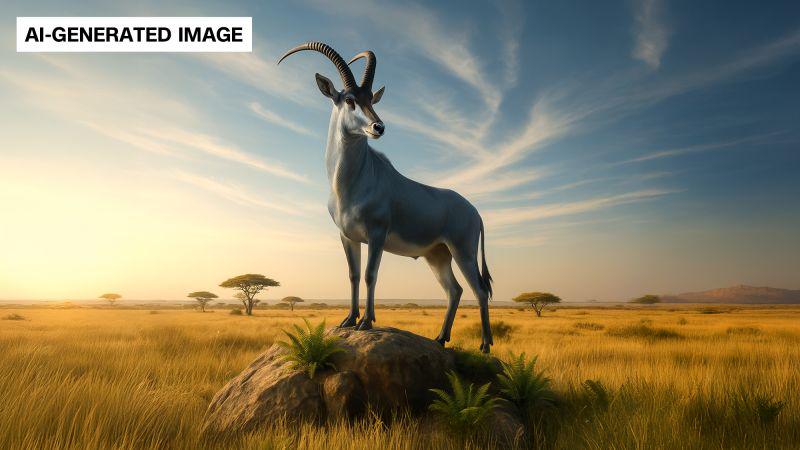
Biotech company Colossal Biosciences says it has been working since 2024 to create a genetic proxy of the bluebuck, an African antelope that went extinct ~200 years ago due to human activity.
Using DNA from museum specimens, researchers reconstructed the genome and are now editing roan antelope DNA (its closest living relative) to reproduce key traits. The plan is to implant embryos into roan surrogates, with a potential birth within the next few years.
The company says breakthroughs like stem cell development and IVF techniques in antelope could also help endangered species. Critics argue this isn’t true “de-extinction” and question whether resources should instead focus on protecting species that still exist.
https://edition.cnn.com/science/bluebuck-colossal-biosciences-deextinction-spc-c2e
1 Comment
Colossal’s bluebuck project raises bigger questions about the future of conservation and biotechnology. If we can recreate extinct species as genetic proxies, should we? Could these tools realistically help restore ecosystems or support endangered species, or will they divert funding and attention from protecting what still exists? As gene editing, IVF, and stem cell tech improve, where do we draw the line between conservation, restoration, and synthetic biology?