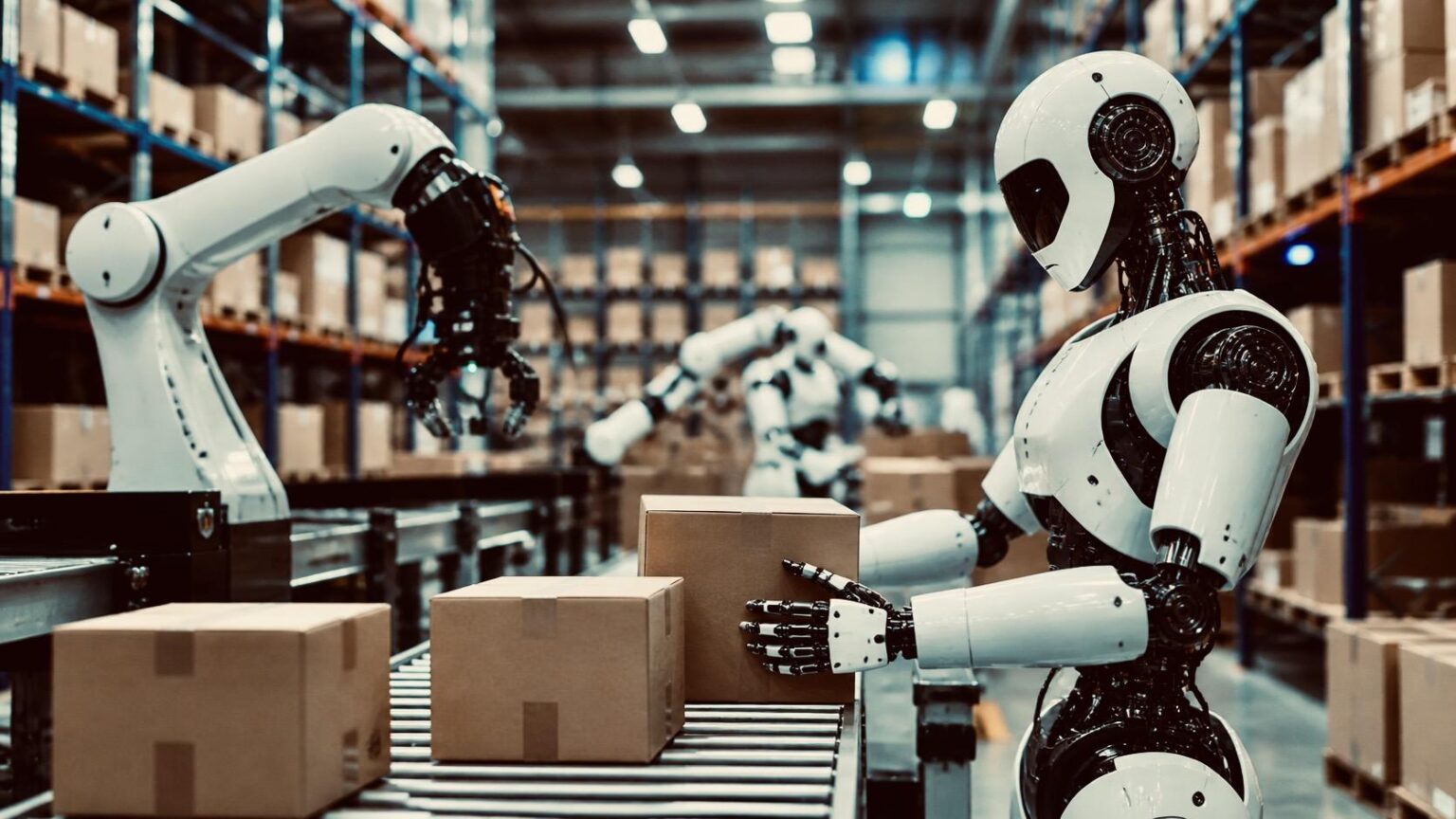
Automation is moving from isolated factory systems into everyday industries much faster than many people expected. Warehouses, retail stores, transportation hubs, restaurants, and customer service operations are increasingly using AI-powered robotics, autonomous systems, and machine-learning software to reduce costs and improve efficiency.
What makes this shift important is that it is no longer limited to repetitive manufacturing work. Advances in AI vision systems, language models, and humanoid robotics are beginning to expand automation into jobs that previously required more human interaction and decision-making.
The bigger future question may not be whether automation will continue, but how quickly societies can adapt to workforce disruption, retraining needs, and the economic changes that could follow widespread AI deployment.
prosound2000 on
This is a VERY broad interpretation of robotic automation and Ai, also it is very vague, for example:
>Retail is another sector undergoing rapid automation. Self-checkout systems have already reduced some cashier roles, while AI inventory tracking and shelf-scanning robots are becoming more common in large stores. Some companies are testing fully automated convenience stores where cameras and sensors track purchases without traditional checkout lines.
Meaning, are we talking hand scanners? Or actual walking talking robots? Also, self-checkout systems have been around for a decade, so how is this included as part of this article about a recent trend?
Poorly written because it has no real argument or point, let alone the fact it doesn’t have anything specific referenced or even any interviews on the subject as part of the article. You would imagine an article about robotic and Ai would have a human perspective by including well, a human perspective.

2 Comments
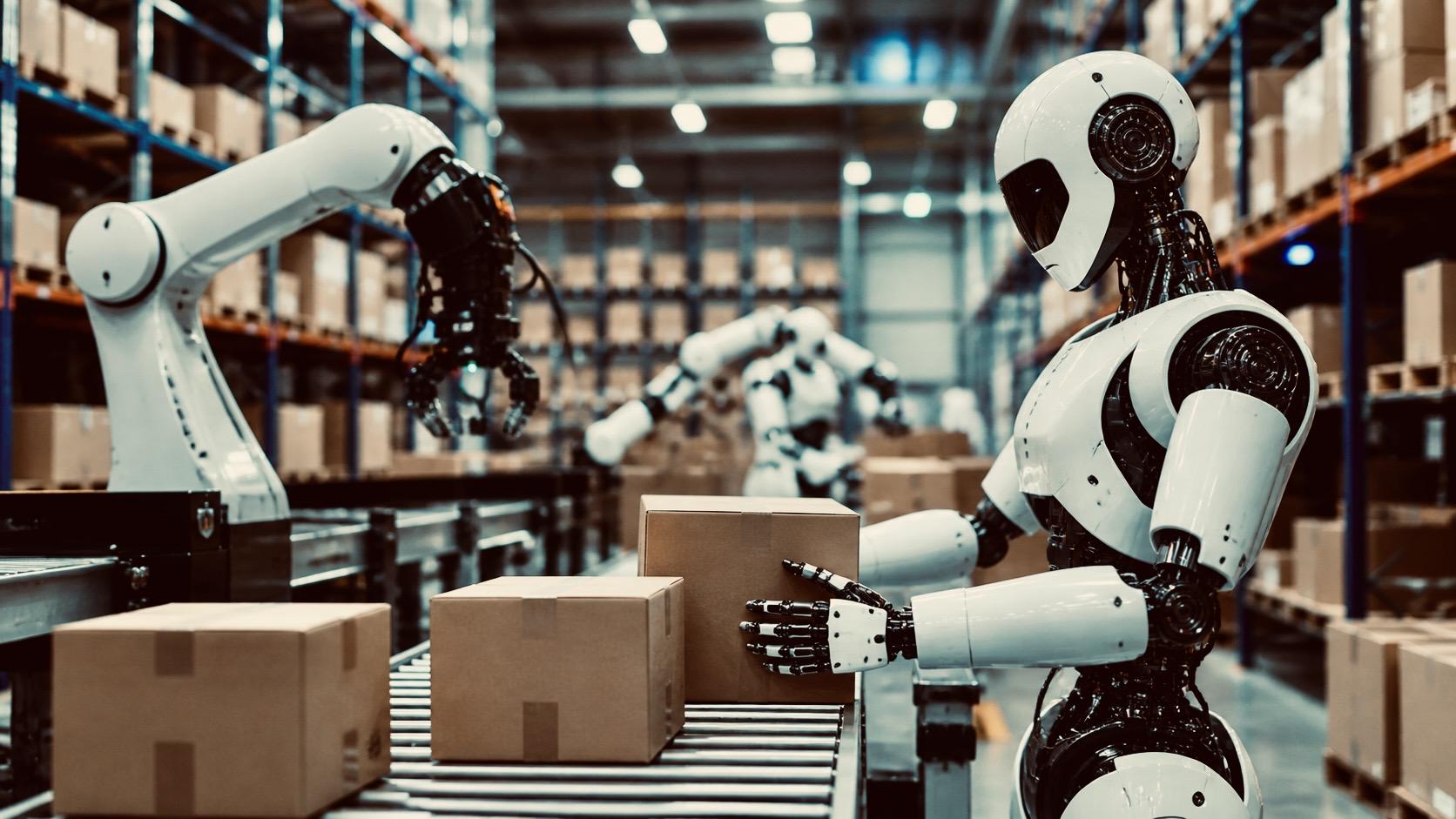
Automation is moving from isolated factory systems into everyday industries much faster than many people expected. Warehouses, retail stores, transportation hubs, restaurants, and customer service operations are increasingly using AI-powered robotics, autonomous systems, and machine-learning software to reduce costs and improve efficiency.
What makes this shift important is that it is no longer limited to repetitive manufacturing work. Advances in AI vision systems, language models, and humanoid robotics are beginning to expand automation into jobs that previously required more human interaction and decision-making.
The bigger future question may not be whether automation will continue, but how quickly societies can adapt to workforce disruption, retraining needs, and the economic changes that could follow widespread AI deployment.
This is a VERY broad interpretation of robotic automation and Ai, also it is very vague, for example:
>Retail is another sector undergoing rapid automation. Self-checkout systems have already reduced some cashier roles, while AI inventory tracking and shelf-scanning robots are becoming more common in large stores. Some companies are testing fully automated convenience stores where cameras and sensors track purchases without traditional checkout lines.
Meaning, are we talking hand scanners? Or actual walking talking robots? Also, self-checkout systems have been around for a decade, so how is this included as part of this article about a recent trend?
Poorly written because it has no real argument or point, let alone the fact it doesn’t have anything specific referenced or even any interviews on the subject as part of the article. You would imagine an article about robotic and Ai would have a human perspective by including well, a human perspective.
It reeks of Ai generated click baiting content.