
The full lesson was posted by YouTube a few weeks ago with this title video, "Mental problems among young people are a plague of the new age."
There were also sad statistics on the topic:
Every day, 2-3 children with suicide attempts arrive at the mental health center.
Mental health disorders are no longer the problem of individual families. It has become a societal problem.
And perhaps the most uncomfortable question is not here: “What’s wrong with young people?”
Only:
“What kind of environment have we created for children?”
Mental health problems do not usually develop overnight. A child’s development is shaped by a sense of security at home, relationships with adults and peers, a sense of belonging, chronic stress and the environment in which he lives on a daily basis.
A child who grows up in constant tension, conflict or fear is not only learning to explore the world he learns to survive.
Long-term stress can later manifest as anxiety, withdrawal, impulsivity, difficulty concentrating, or depressive symptoms.
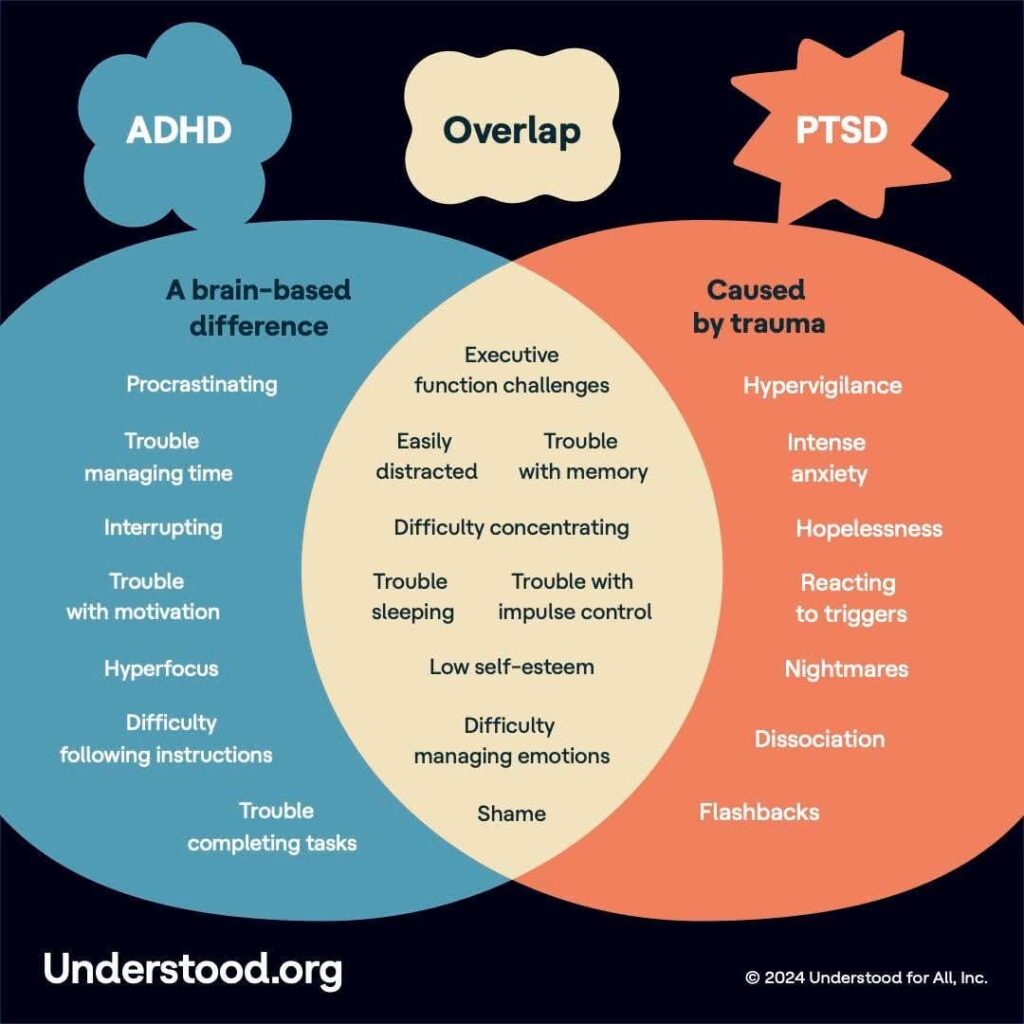
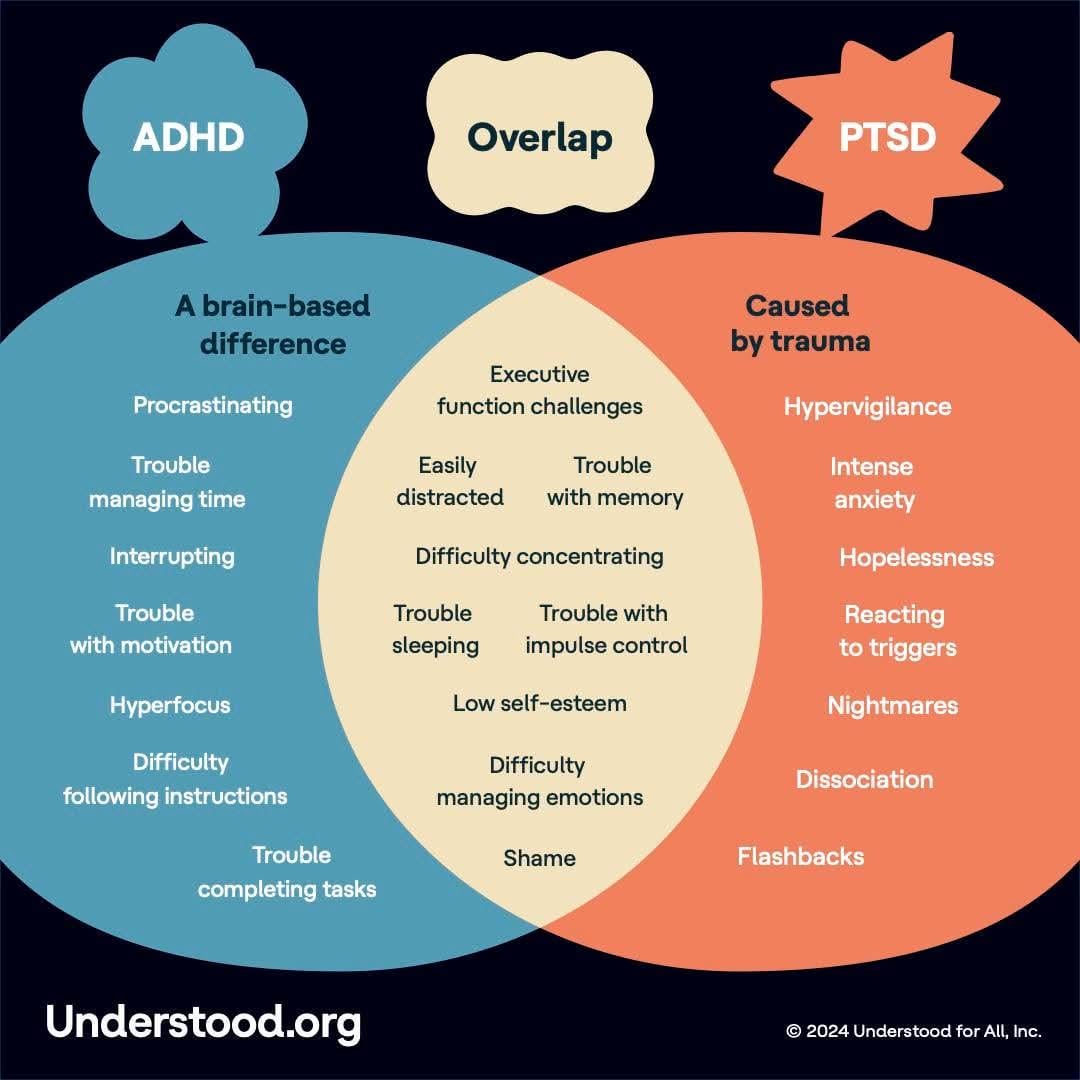
It is also important to understand that symptoms can be similar for different problems. For example, it can be like this trauma the nail ATH affect attention, emotion regulation and stress tolerance. This does not mean that one leads to the other, but that the living environment and experiences of the young person must not be neglected in addition to the diagnosis.
At the same time, many adults themselves are also emotionally overwhelmed.
Parents are tired, under financial pressure and often without a real support network. Families no longer function as communities as they used to, and many are raising children in situations where they themselves lack rest, help or emotional support.
A person who is constantly stressed may not become careless, but they may become emotionally unavailable to children.
Honestly, it is also worth talking about the school load.
When a 14-year-old child spends all day at school, goes to practice after and studies late into the night, it should not surprise us that some young people experience chronic stress, anxiety or burnout.
It is also worth considering whether our understanding of “age-appropriate workload” is still reasonable if our children are academically successful, but at the same time increasingly unhappy.
Children don’t just learn from what they are told. They also learn by observing:
-
how conflicts are resolved,
-
how to deal with stress
-
how to talk about weaknesses and insecurities,
-
how other people are treated.
When society normalizes humiliation, aggression, addictions and emotional immaturity, these behavior patterns do not appear out of thin air in children.
Addictive behavior patterns often develop already in early adolescence: alcohol, drugs, excessive Internet, porn or gaming addiction, compulsive eating or other ways to relieve emotional stress. These are often learned coping mechanisms to cope with anxiety, loneliness or internal tension.
Also, suicide is usually not the result of one hard day. Often this is the last straw for long-term overload, hopelessness and emotional loneliness.
Perhaps the most uncomfortable realization is that the youth mental health crisis is not just about young people. This is a very direct reflection of the emotional state of our society as a whole.
https://i.redd.it/vhx5l0v0rj0h1.jpeg
Posted by EstablishmentEqual23
3 Comments
Noo, tõstke käsi, kellel on kõik need mainitud sümptomid!
nägin notificationil postituse pealkirja ning tuli tahtmine pikk paragraaf kirjutada kuid aitäh et seletasid antud teema ilusti lahti
Koolis käimine on tõesti hullem kui tööl käimine, oled seal oma pea 8h tundi ja siis võtad kodutööd õhtuks kaasa + nädalavahetused (!). Lisaks kõik need meeldivad võimupiiramatud õpetajad kes valitsevad klassiruumi ja päevikut nagu idamaised sultanid – sattud õpilasena ebasoosingusse, tähendab: hakkad vältima, ei taha enam kooli minna, tekib aine vastu ebasümpaatia jne. Ma nüüd ei ütle, et keskmine töökoht on mingi naudingutega jäätisebaar, aga töökohta on võimalik vahetada kui ikka üldse ei sobi.