Why Brain Implants Are More Than a Sci-Fi Fantasy
https://www.bloomberg.com/news/articles/2026-05-10/how-do-brain-implants-like-elon-musk-s-neuralink-work-what-are-they-used-for

Why Brain Implants Are More Than a Sci-Fi Fantasy
https://www.bloomberg.com/news/articles/2026-05-10/how-do-brain-implants-like-elon-musk-s-neuralink-work-what-are-they-used-for
2 Comments
*More from Bloomberg News reporters Ike Swetlitz, Saritha Rai, and Amber Tong:*
Science fiction has long imagined a world where our brains interact with machines to restore and augment our abilities — think of the neural implants that connected to Geordi La Forge’s visor in *Star Trek* or allowed Alex Murphy to be reborn as cyborg law enforcer in *RoboCop*.
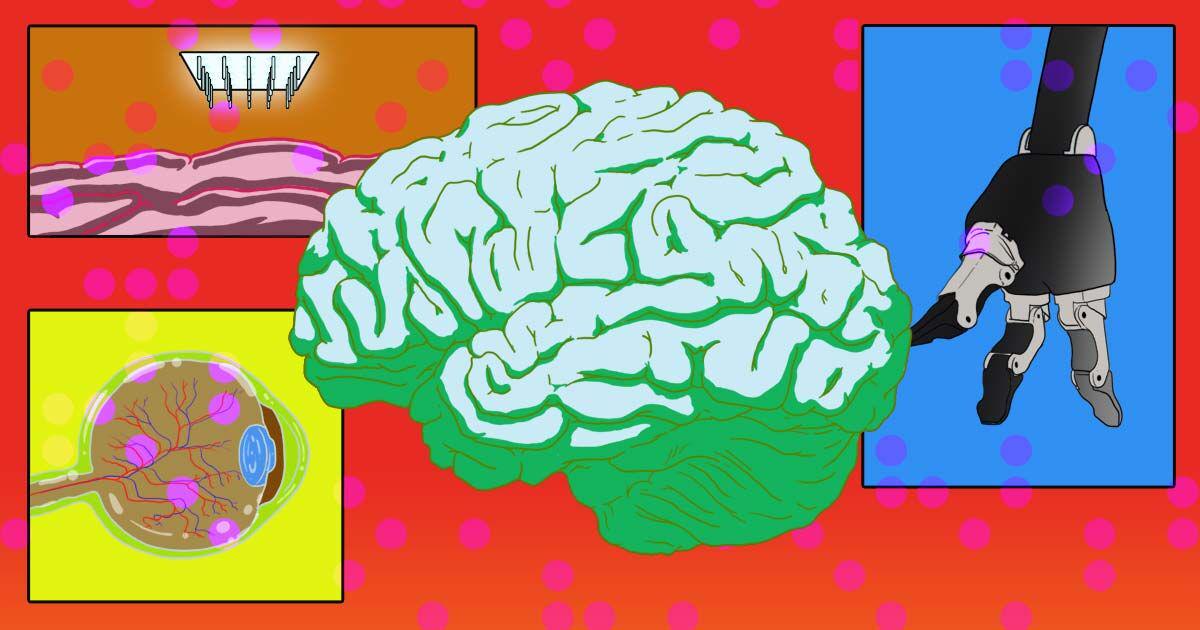
In the real world, researchers have been working for decades on so-called brain-computer interfaces to help people who suffer from paralysis, blindness, hearing loss, and more, regain function. Some individuals have used these devices to control a computer cursor with their minds; others have managed to move a robotic arm or transcribe some of their thoughts into text.
The technology is still nascent and the number of people who have received implants is only in the hundreds. Just a few companies have received regulatory approval to progress beyond clinical trials to commercial use — and even that’s for limited applications. But the industry could be reaching an inflection point thanks to rapid advances in hardware and artificial intelligence models that can decode neural signals.
The potential of brain-computer interfaces has attracted the interest of billionaires including Tesla Inc. Chief Executive Officer Elon Musk and OpenAI CEO Sam Altman. Some of them are betting these devices will one day become everyday consumer tech that can unlock superhuman powers.
No thanks! thought’s are the only private thing left in this world. I’d rather die than have a company look at my brain waves. Not for health reasons and not for anything else.