
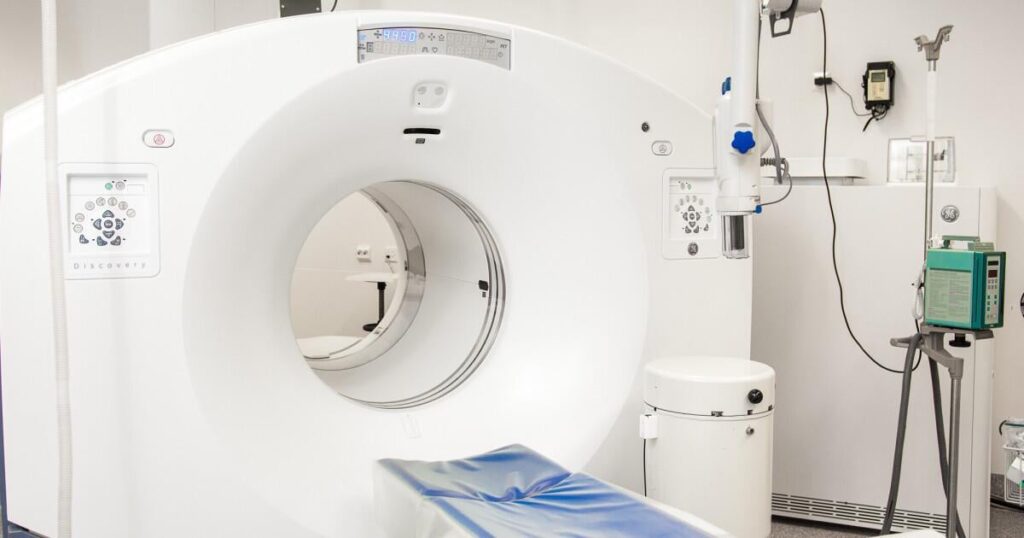
A new brain imaging study has found no evidence of widespread brain inflammation in patients suffering from prolonged symptoms after COVID-19 infection. Instead, the most severe long COVID symptoms were associated with increased brain activity in regions involved in mood and emotion.
https://www.utu.fi/en/news/press-release/brain-inflammation-is-unlikely-to-explain-persistent-long-covid-symptoms
8 Comments
The research article is available at: [https://link.springer.com/article/10.1007/s00415-026-13842-w](https://link.springer.com/article/10.1007/s00415-026-13842-w)
[removed]
Interesting. Could this mean that long COVID is more a symptom of trauma?
never had anxiety before covid, now i deal with panic attacks and bad anxiety. its like covid flipped a switch. been trying to find a way to flip that swtich
I wonder how similar/different the results would be compared to patients with PANS and PANDAS
Ongoing brain inflammation is only one hypothesis. The most convincing mechanism is a reduction in mitochondrial function impairing aerobic metabolism. Some studies show high blood oxygenation but abnormally low uptake by the muscles. It also seems like recovery after exercise is affected with biopts showing damage to muscle cells. Other hypothetical mechanisms are micro clots, viral persistance and autoimmune processes but there’s less evidence for those.
When it comes to the limbic activation I wonder about the direction of a possible causation, it could also be that chronic pain and a low quality of life makes that part of the brain overactive and worsen the psychiatric symptoms. It’s a stretch to jump to the conclusion that this activity explains all of the symptoms
Finding nothing in science can be important but given what we already know the title is misleading. It’s amazing what you can find wrong with people with ME/ long Covid with a world class lab (see Ron Davis at Stanford) that doesn’t show up on standard tests.
ah so i may actually be right about drivers getting far worse after covid