Application to retry Cowichan Tribes land claims case set to begin Monday
https://www.theglobeandmail.com/canada/article-cowichan-tribes-land-claim-case-application-to-retry-begins-monday/

Application to retry Cowichan Tribes land claims case set to begin Monday
https://www.theglobeandmail.com/canada/article-cowichan-tribes-land-claim-case-application-to-retry-begins-monday/
6 Comments
Lawyers for the private owners of a swath of industrial land near Vancouver will be in court Monday to ask a judge to reopen a lengthy court case that has thrown the legal status of their property into question.
The Cowichan Tribes land claims trial concluded more than two years ago and the final reasons for judgment were delivered last August. But Montrose Property Holdings Ltd. will argue it was never given the opportunity to defend its interests during the 513-day trial.
Lawyers representing eight parties – including Montrose and the federal and provincial governments – will appear this week armed with 11 volumes of related case law.
The Cowichan will argue the application is an abuse of process and the case should not be reopened.
“The Cowichan Nation has achieved a great victory after seeking the return of their homeland for more than 150 years,” the lawyer for the Cowichan, David Rosenberg, told The Globe and Mail as he prepared to head back into court.
“If all parties who claim an interest in the lands were to be added as parties to the case, it would make the proceedings unmanageable, which would not be in the interests of the administration of justice.”
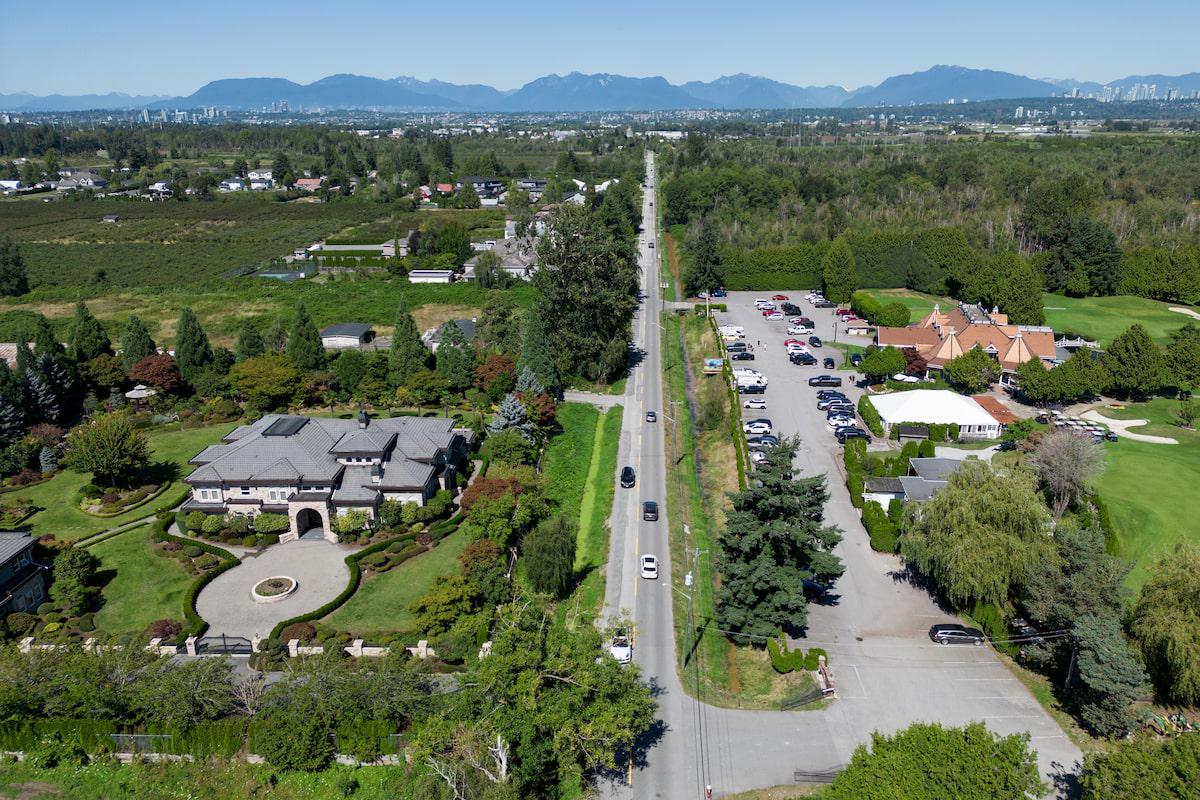
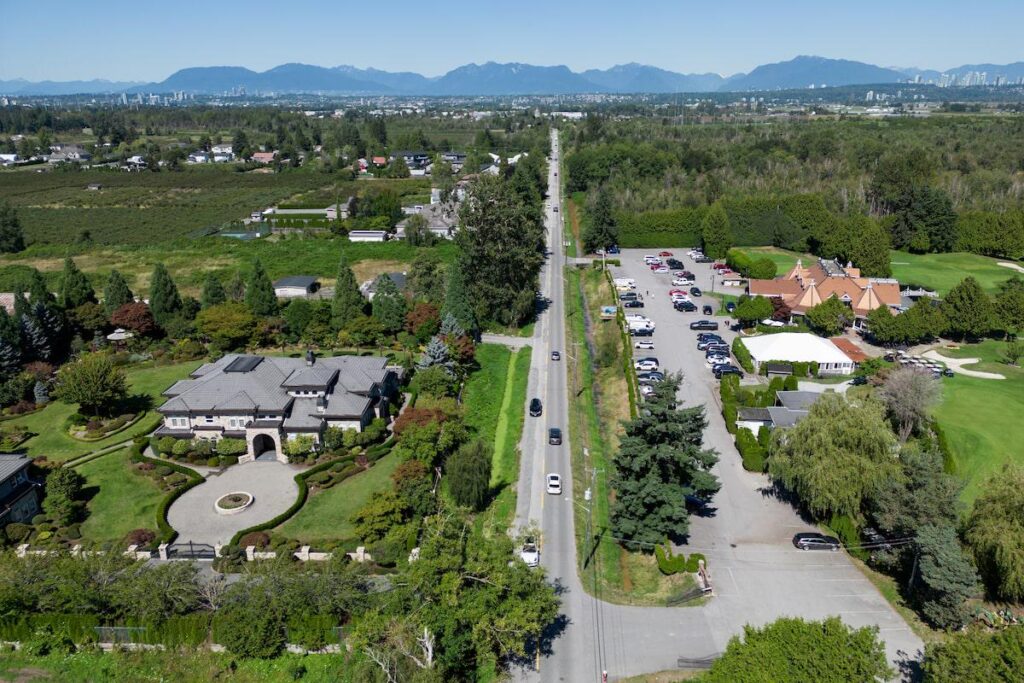
B.C. Supreme Court Justice Barbara Young concluded last August that the Cowichan had established Aboriginal title to a portion of their claim, their traditional summer village of Tl’uqtinus on the south arm of the Fraser River. Those lands are now part of the City of Richmond.
The ruling sparked business uncertainty and a political outcry.
Justice Young also declared land titles held by Canada and Richmond in the area to be “defective and invalid.” If the Cowichan’s win is upheld in future appeals, they could eventually take control of the land in question, or they may negotiate financial compensation.
The ruling created uncertainty for private landholders in Richmond, whose fee-simple title to their lands now overlaps with the nation’s Aboriginal title. Fee-simple lands have long been known in Canadian law as the highest form of private land ownership.
The Cowichan have said they don’t intend to dispossess these owners.
The end of the trial can’t come soon enough for Premier David Eby, whose government has been battered over its inability to assure private landowners that their rights are not threatened by the court judgment.
All parties have said they will appeal the judgment, but none of the appeals can go ahead until the outcome of the application to reopen the case is determined, and the final orders are written.
“We’re limited in what we can do about the Cowichan decision until the trial court is done with their determinations on the file, so once that’s concluded, we’ll be filing our appeal materials,” Mr. Eby told reporters Thursday.
Montrose is the largest single landowner with land in the title area. Its affected holdings include a Coca-Cola bottling plant and a Canadian Tire depot. As a result of the judgment, Montrose argues that it is unclear if provincial laws – ranging from the Labour Relations Code to the Provincial Sales Tax Act – apply on its property.
Although a decision to reopen a trial after the judgment has been delivered would be rare, Montrose’s application cites five cases where that has happened.
“The discretion to reopen a trial is properly exercised where the court is satisfied that it is in the interests of justice to do so, particularly that not reopening the trial would probably result in a miscarriage of justice, and that the reception of the new evidence would probably change the result of the trial,” the court filings state.
Should Montrose’s bid to resume the trial fail, appeals to a higher court by the other seven parties are already drafted. The stakes are so high that the case will likely be decided eventually at the Supreme Court of Canada.
Justice Young, in her ruling last year, acknowledged her decision “may give rise to some uncertainty for the fee-simple title holders.”
That has turned out to be an understatement. The political fallout has grown in the nearly 10 months since her ruling was issued, as both Ottawa and Victoria struggle to assure property owners that Canada’s legal bedrock of fee-simple ownership remains intact.
Laymen here: if the retrial finds no overlap between fee-simple and aboriginal, can the FN appeal the retrial?
As someone whose home is part of a land claim where the nation claiming it has explicitly stated they want existing property holders dispossessed, these cases are going to be extremely important going forward.
My only fear is judges that want to make history, instead of doing the right thing.
Dripa must be repealed
Yeah this one’s going to the Supreme Court lmao
This is such an ugly argument.
Break it down to buying stolen land.. or buying repurchased stolen land.
Nobody truly wins, everyone loses.
On paper the idea of DRIPA makes sense, in practice this is worse than Fast Ferries taking the Northern Passage loaded to the gills with Quardra bus.
Yes both are right..and wrong.