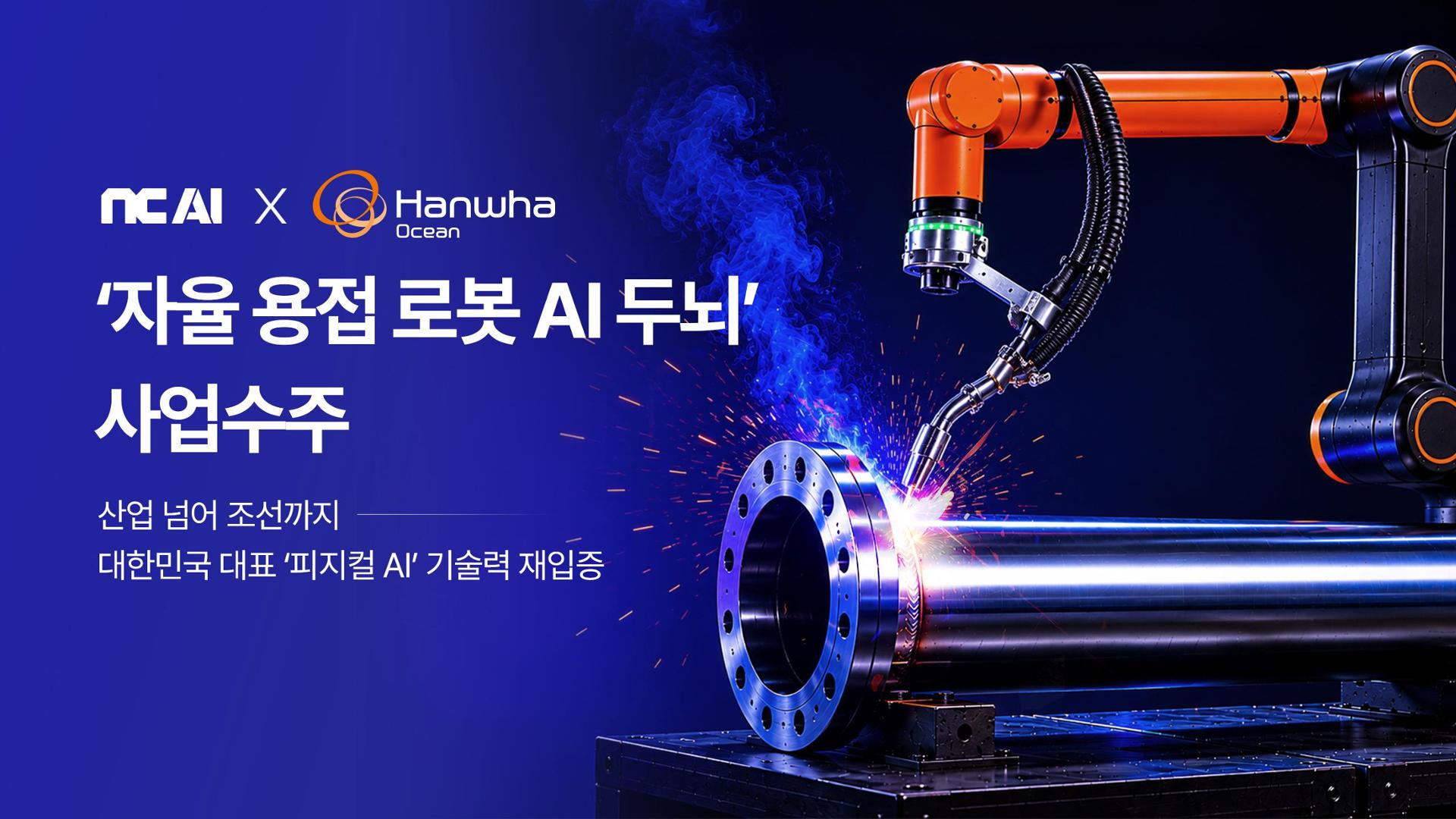
NC AI to develop AI-powered autonomous welding system for Hanwha Ocean shipyards
https://www.koreatimes.co.kr/business/companies/20260604/nc-ai-to-develop-ai-powered-autonomous-welding-system-for-hanwha-ocean-shipyards
Posted by self-fix2

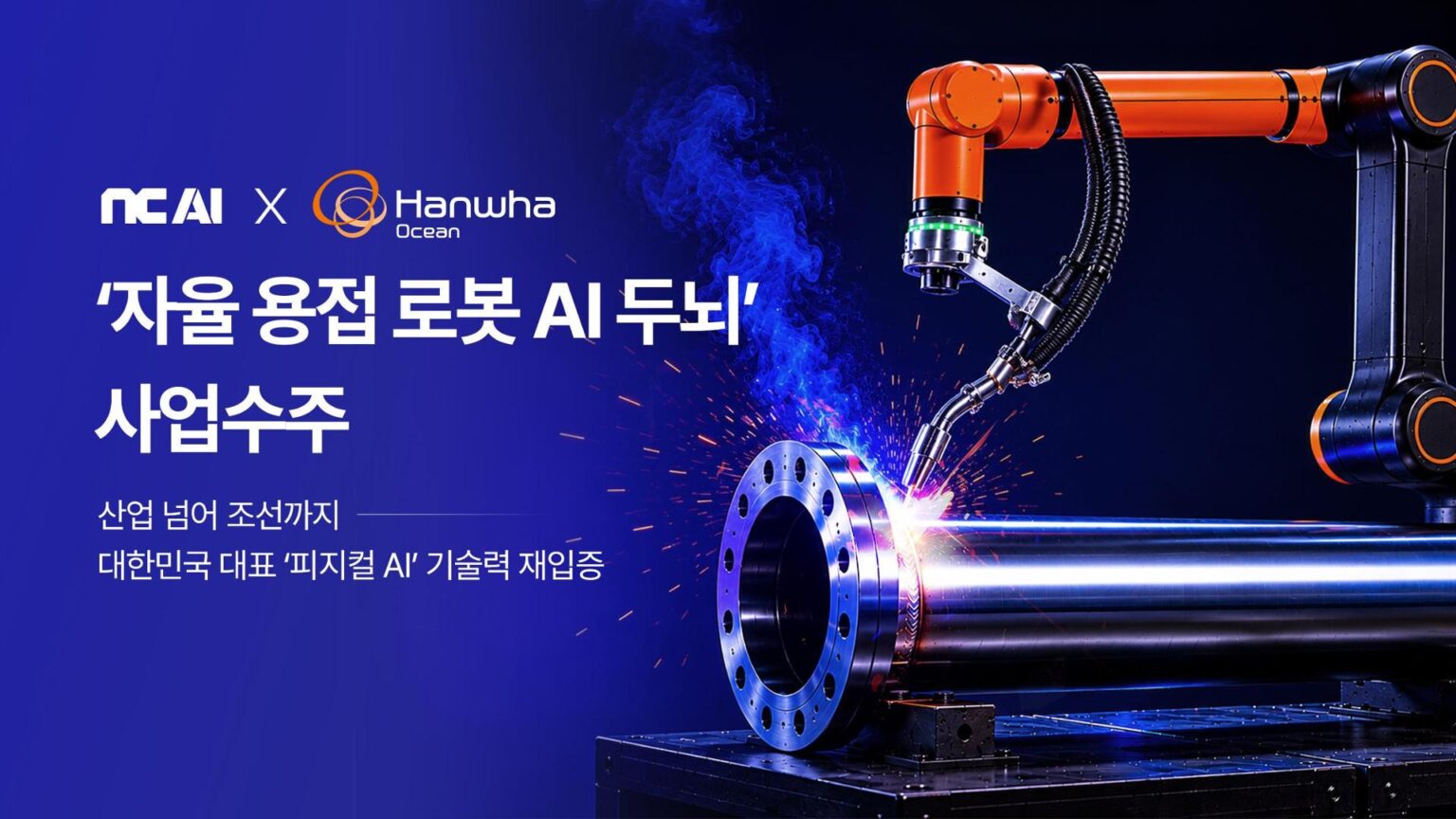
NC AI to develop AI-powered autonomous welding system for Hanwha Ocean shipyards
https://www.koreatimes.co.kr/business/companies/20260604/nc-ai-to-develop-ai-powered-autonomous-welding-system-for-hanwha-ocean-shipyards
Posted by self-fix2
2 Comments
Although Korea is slightly ahead in the technological level of AI autonomous welding, China is rapidly catching up with a much larger production scale and accumulated data, and it is highly likely that competition in AI-based shipbuilding productivity will become the decisive battleground for the Korean and Chinese shipbuilding industries around 2030.
Korea can be said to have the advantage because it is ahead of China in quality across all sectors, including the robotics, semiconductor, and shipbuilding industries.
I remember from reading a lot of NASA history that robotic welding and inspection was one of the key technologies developed for building the fuel and oxidizer tanks. I’m curious what advancements does AI bring to the game? Aside from the actual technology and science advances in welding and sensors since the 60s, that is