
Hello everyone!
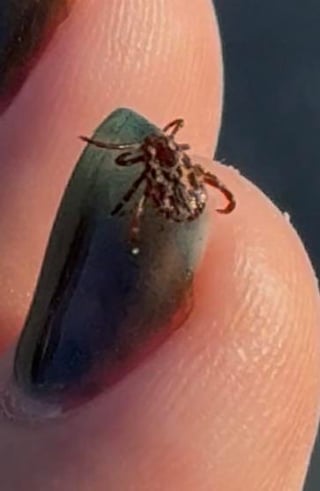
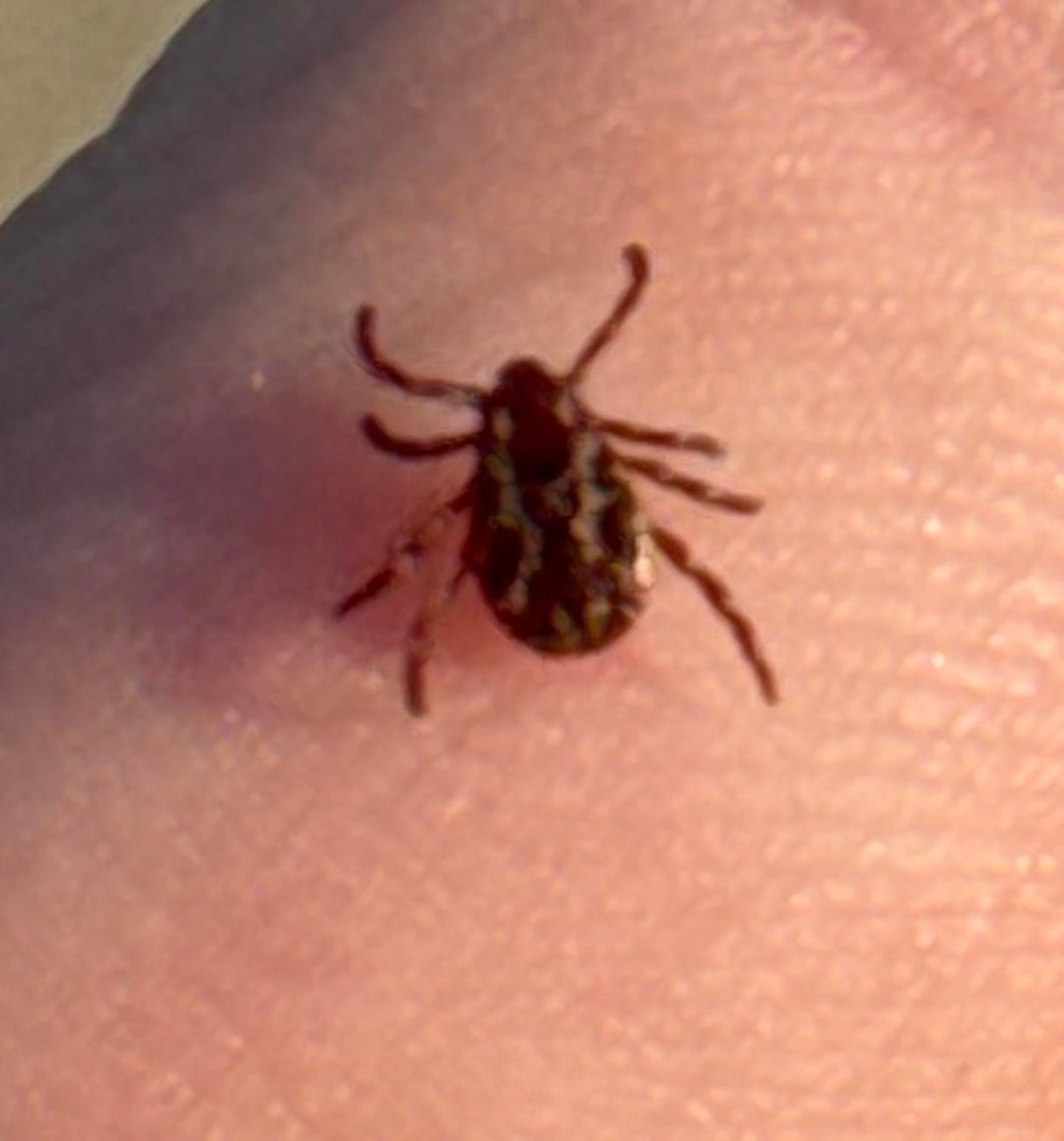
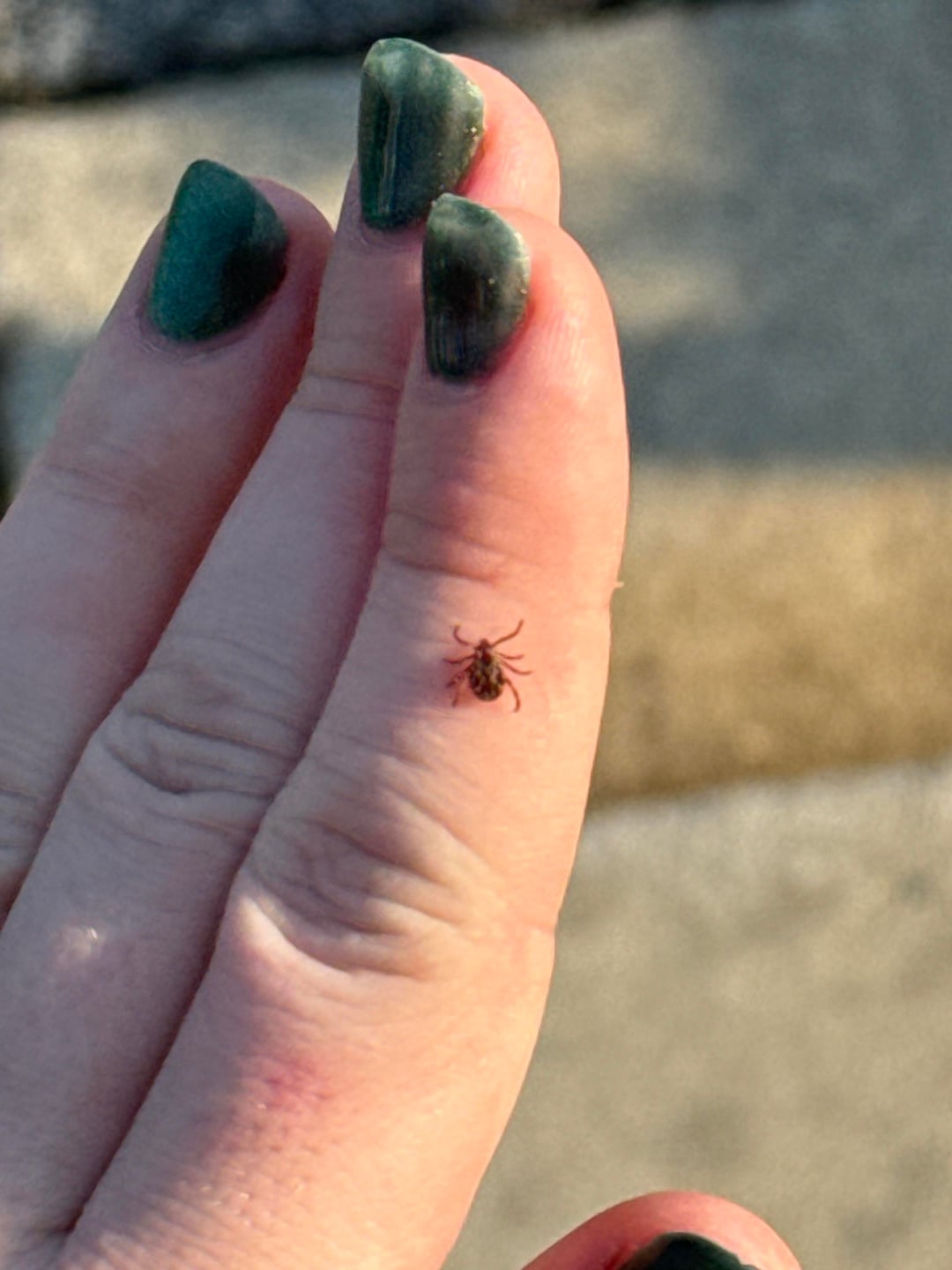
I was doing an ecological survey in the mountains today, and when I got home I found this fella on the back of my neck. He wasn’t attached, just running around, though he would’ve had to have been there for hours.
I took these pics to make sure he could be identified before killing him. I love bugs, but because I traveled so far for the survey, I would worry about transmission of disease to a different population.
This is a male dog tick right? Is there anything else I need to do to make sure I’m safe from disease or is it alright? I’m nervous just because this is my first tick, and I know people who have gotten tick bite complications (my boss actually has the red meat allergy from a lone star tick bite for example haha)
Any tips? Normally I’m chill with bug bites, but being bitten by a tick for the first time can be kinda concerning lol
Posted by TheArcherFrog
17 Comments
If he wasnt attached he didnt bite you and you have no chance of contracting a disease. I think bugs are also cool but I despise ticks. I treat my clothes with permethrin so that any tick gets on me will die. They are a scourge on the environment and to people especially.
Just fyi. If you do end up bit by a tick they say to tape it to a piece of paper and label. Just in case weeks later you have problems they can test it.
https://web.uri.edu/tickencounter/tickspotters/
And this is why you you should spray yourself with tick repellent. People don’t realize how nasty these things are especially the lonestar

This guy was just on the Daily Show, he’ll give you tons of info, if you’re pressed for time fast forward to the chart part
https://youtu.be/X53d7YBtjoM?si=srjIIA7t_3vneqs1
I saw something recently from a tick biologist, that specimen with black legs carry limes. Of those with black legs, 50% chance it has limes.
https://m.youtube.com/watch?v=X53d7YBtjoM
No, kill it. It serves no purpose. But at least its not a deer tick.
General Info on Ticks:
1- ticks do not make good pets.
They suck
Limes ain’t bad it’s a disease it can be heavily treated with no symptoms at all. The real scary one is the virus from ticks. Severe symptoms 50% chance of death
As a general rule, they suck.
The main issues with ticks is TBE which causes meningitis, lyme disease, and alpha gal syndrome. Some of these happen right away. Alpha gal syndrome is terrible, and TBE has a vaccine. If you visit high TBE risk areas you should get the vaccine.
General recommendations are that prophylaxis treatment with antibiotics are only given if the tick was attached for greater than 36 hours and it has been within 72 hours since the tick was removed.
OP, if you’re going to be doing ecological surveying, invest in permethrin right now. Unfortunately, ticks are going to be a part of your everyday life. Get light colored field pants, a pair of waiters, and permethrin. Get used to doing preventative measures before going into the field every day, and doing tick checks every night (or if you’re not modest as soon as you’re out of the field).
15 years in forestry, and just about every forest I know has contracted lyme’s or alpha gal at this point. Be careful.
I battle the lone star ticks every week. I wear shorts with no show socks and cover in deet. I’ve dealt with them for so long, that I can feel them the moment they start to crawl up my leg if one gets past the bug spray. My shoes are coated in so much deet, they’re a different color. Still, there is a little evil bastard willing to cross the deet to get to the meat. I hate them with a passion as I love the outdoors. Also,
To hell with yellow flies and horse flies.
The odds of contracting a tickborne disease from a tick bite are highly dependent on geographic location, tick species, and attachment time.
The diseases associated with American dog ticks are Ehrichiosis, rocky mountain spotted fever, and tularemia. Alpha gal syndrome is possible but I am not sure of the risks. It’s more commonly caused by lone star ticks.
Some tickborne diseases take a while to transmit. Lyme for example is unlikely to transmit if the tick as been attached for less than 24 hours. Rmsf is faster, as little as 4 hours.
This is a male tick, and they can bite and transmit diseases but are a little less likely to do so than females because they don’t attach for as long.
I suspect this male did not attach, but was crawling around in search of a female tick to mate with. I would not be too concerned.
Here is my tick prevention method:
I treat my field pants with permethrin. If you are in a particularly tick heavy area I would pick a couple field shirts to treat as well as shoes and gear. Permethrin will last for a few washes.
Before going in the field, I spray my ankles, waist, arms, and neck with picaridin. Deet will also work but it can degrade some synthetic materials so I avoid it.
I then tuck my shirt into my pants and my pants into my socks and spray again around the waist and ankles.
When I get home I do a thorough tick check. I recommend thoroughly combing through your hair too if you’re in a tick heavy area.
If you find an attached tick, carefully remove it by grasping the head as close to the skin as possible and slowly pulling out. You can do this with tweezers but there are tick removing tools that make it easier. If it has only been there for a
It is sometimes recommended to go ahead and get prophylactic medical treatment if you find an engorged tick on your body, but this will depend on your area and tick species. In some places Lyme disease is so prevalent that if a deer tick has been attached for more than 36 hours you really should go get antibiotics. The prognosis for Lyme is very dependent on how early it’s treated. Look into medical recommendations specific to your region. Healthcare providers won’t always be aware of the recommendations, you should know what the risks are in your area.
One more thing:
There is a lot of misinformation online regarding tickborne diseases, particularly Lyme disease. Post-treatment lyme disease syndrome (ptlds) is real medical diagnosis, “Chronic Lyme disease” is not. Be careful of where you get your information.