
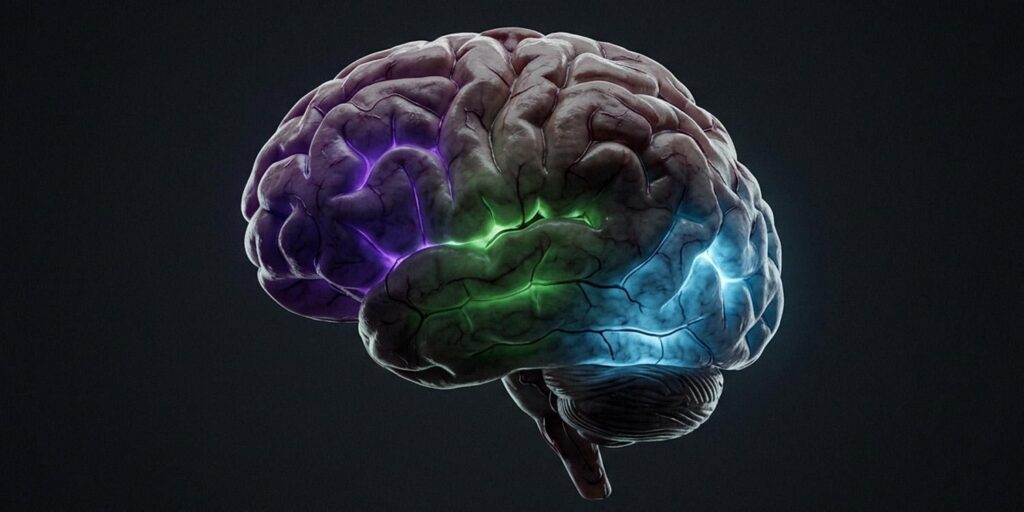
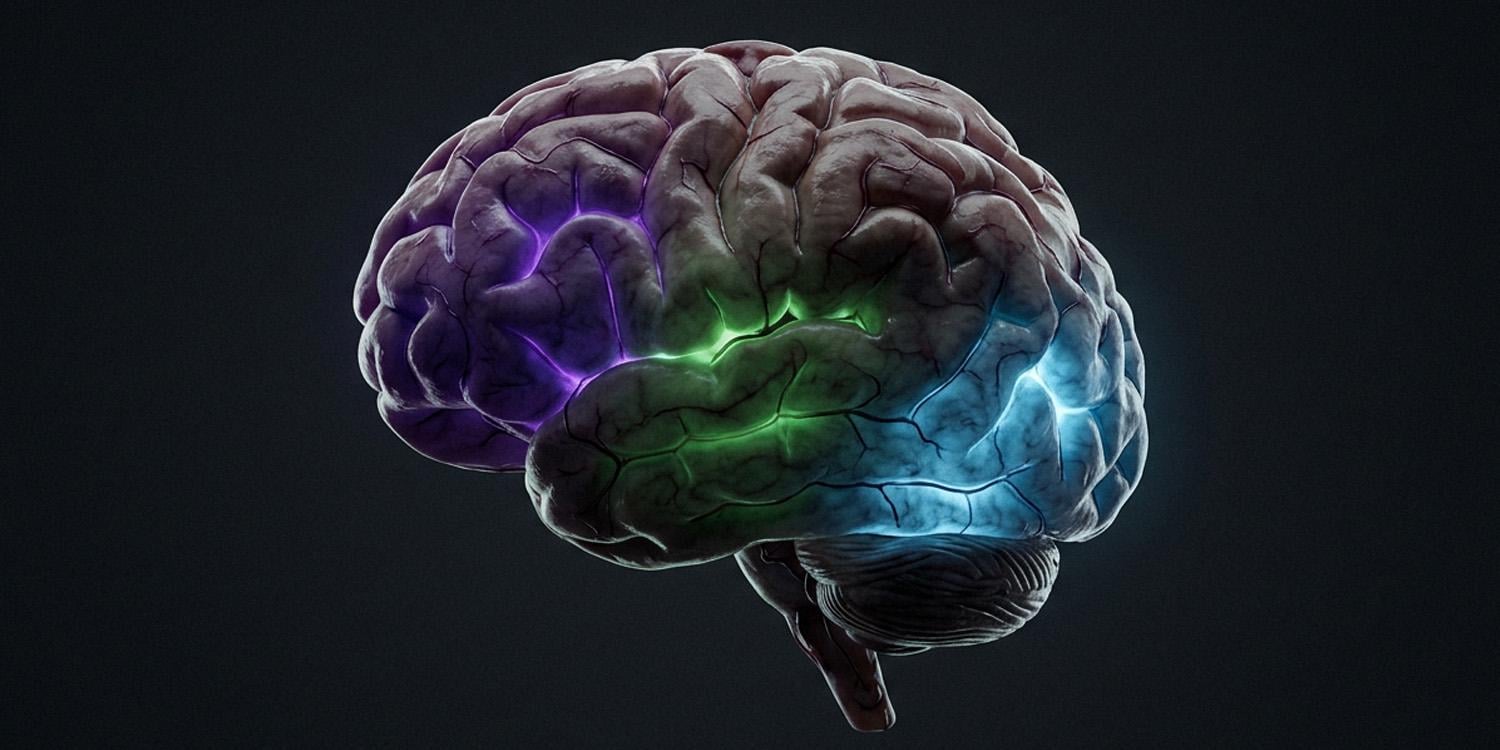
Dark triad personality traits carry distinct physical signatures in the brain. These anatomical variations suggest that while abrasive personality traits share biological roots, they also carry unique signatures in the human brain.
Dark triad personality traits carry distinct physical signatures in the brain
7 Comments
-People with traits like narcissism and psychopathy show both shared and distinct physical differences in brain regions linked to empathy and social cognition. These anatomical variations suggest that while abrasive personality traits share biological roots, they also carry unique signatures in the human brain. The research was [published](https://link.springer.com/article/10.1007/s00702-026-03147-7) in the Journal of Neural Transmission.
Psychologists frequently group certain abrasive personality traits under a single banner known as the dark triad. This conceptual grouping includes machiavellianism, subclinical narcissism, and subclinical psychopathy. Researchers have debated how best to classify these traits because they frequently overlap in real-world behaviors and interpersonal conflicts.
Each trait in the dark triad carries a recognized psychological profile. Machiavellianism represents a tendency toward manipulative behaviors, a cynical worldview, and a preference for strategic calculation over honesty. Subclinical narcissism involves grandiosity, heavily seated entitlement, and a constant need for external validation from peers. Subclinical psychopathy is characterized by severe impulsivity, thrill-seeking habits, and a distinct lack of empathy or remorse for negative actions.
The term subclinical means these unique traits are present in the general population but do not meet the strict diagnostic criteria for a psychiatric disorder. Even in a subclinical context, individuals displaying these traits can cause immense social and emotional disruption in the lives of the people around them. This capacity for harm has driven psychologists to better understand the underlying biological mechanisms of these behaviors.
Hell yeah brain phrenology letsgo
How would these traits be recognised in a child under the age of 10?
How does one join the dark triad?
Jamrs Fallon the neuroscientist identified features of the mpfc and amygdala that you can see in an mri s an that correlate to psychopathy similarly the warrior gene so there are biological markers that can be objectively tested.
that’s really interesting research
Interesting. Autism is commonly (not universally) correlated with increased GMV in these same areas
https://pmc.ncbi.nlm.nih.gov/articles/PMC8983641/
ASD study – Mean age 13yo, both sexes, in Shanghai
>Our current results showed a general pattern of increased GMV in numerous brain regions in the ASD group, compared with TD group, except in the part of the cerebellum. A few studies have emerged accounting for the patterns of neuroanatomical abnormalities in ASD across development, and shed light on alterations in GMV reported in our research. These studies has describe a distinct neurodevelopmental trajectories in ASD individuals across the lifespan, which is characterized by an early brain overgrowth, followed by developmental arrest in late childhood and early adolescence, and accelerated neuroatrophy in adulthood.
Vs the study in OP:
https://link.springer.com/article/10.1007/s00702-026-03147-7
Dark triad – Mean age 25, all men, in Germany
>The group comparison revealed reduced gray matter volumes (GMV) in the precentral gyrus extending to the dorsolateral frontal gyrus, and the cerebellar crus II in individuals with high DT scores compared to those with low scores. In the regression analysis, we found negative associations between GMV in the dorsolateral prefrontal cortex and both machiavellianism and psychopathy.
Maybe the dark triad is a result of social behavior overfit due to accelerated neural pruning in adolescents? I have no real support for this hypothesis, but it’s an interesting idea