
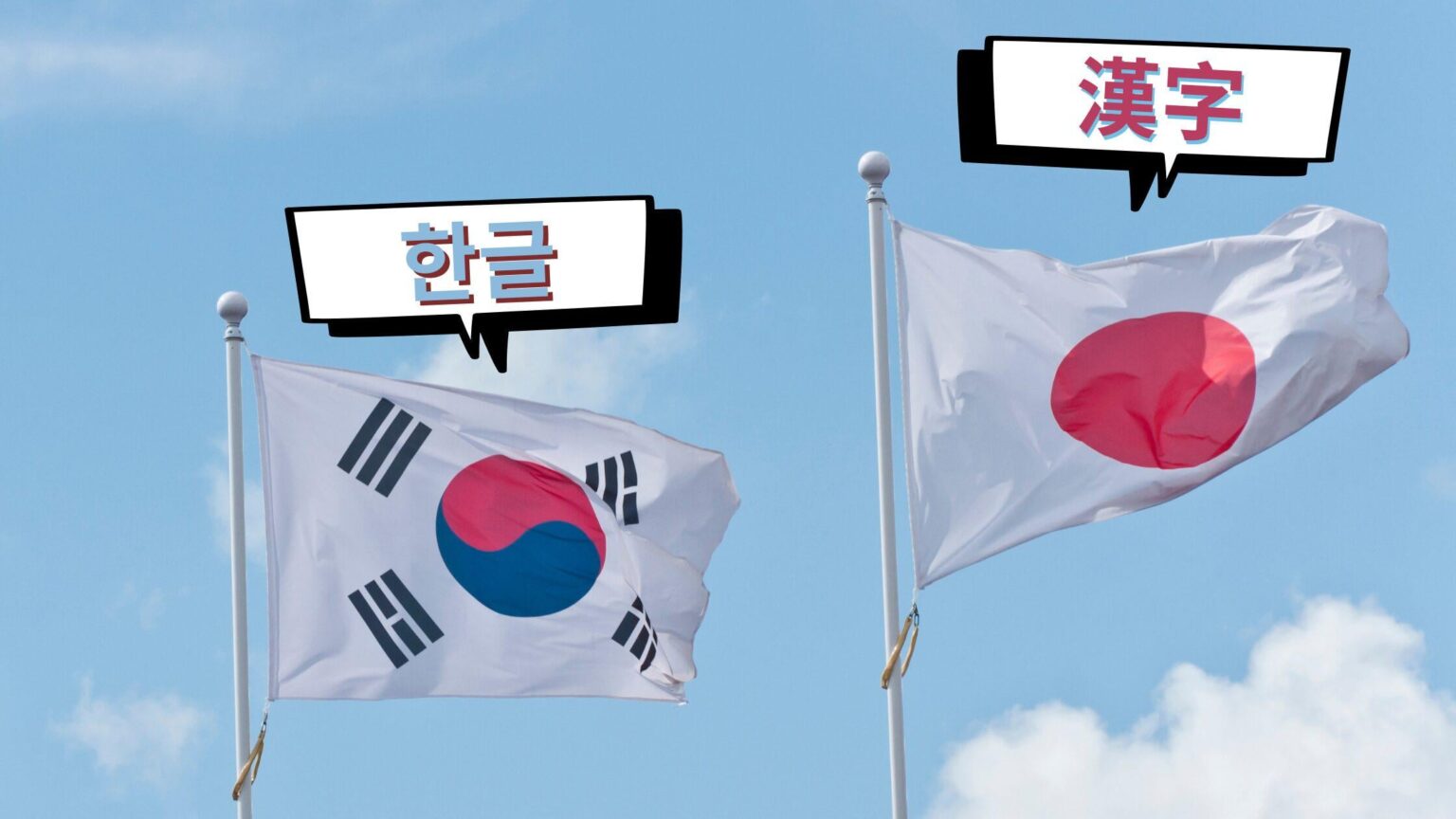
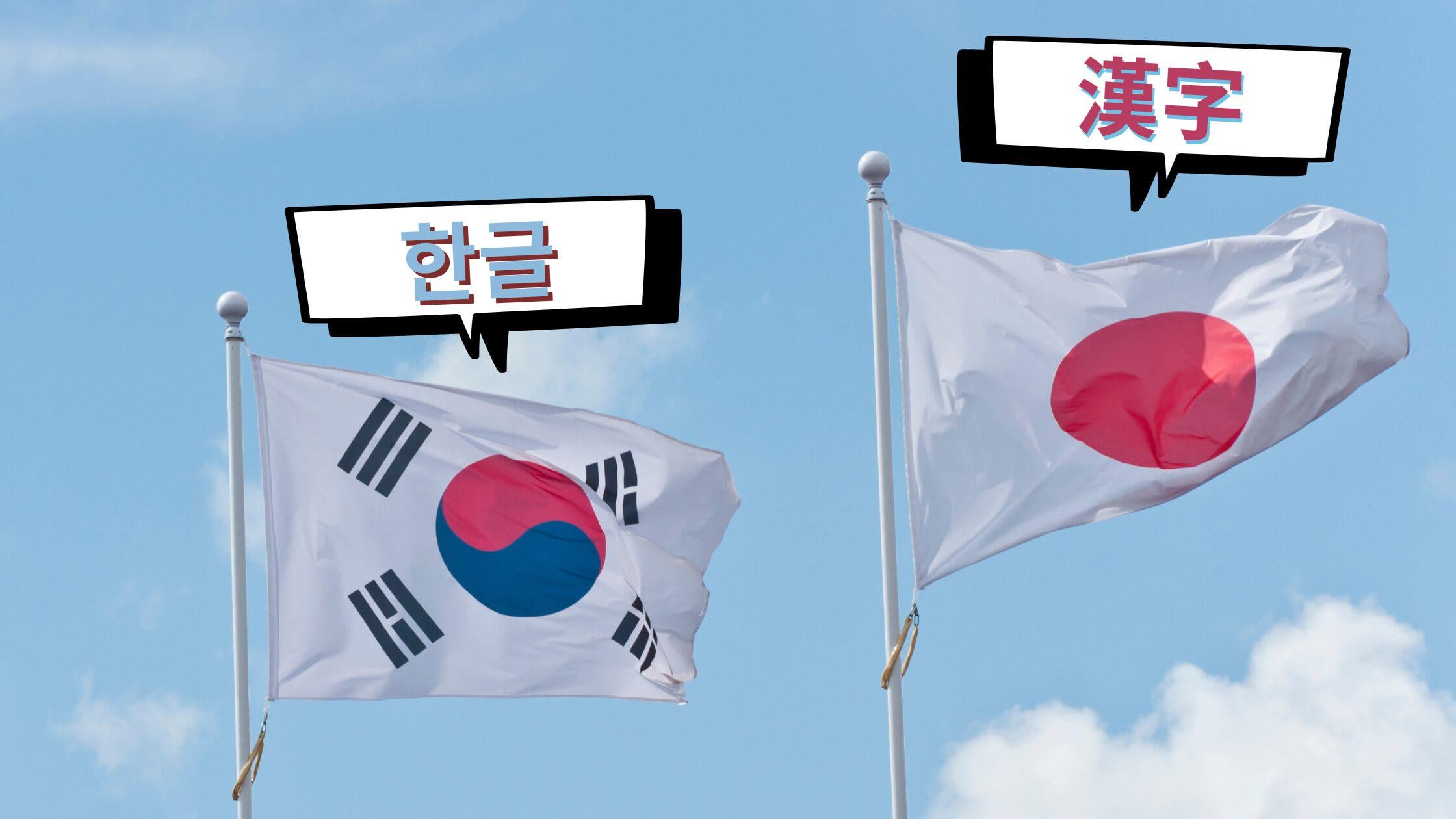
A debate between Japanese, Korean, & Chinese net users asked a fascinating question: Why did Japanese keep Chinese characters while Korean largely dropped them? The answer involves language structure, colonialism, and even a quixotic attempt to replace Japanese with French.
Kanji Forever? Why Japan Still Uses Chinese Characters, But Korea Mostly Doesn’t
14 Comments
‘Korean hostility toward Chinese characters has its roots in Japan’s colonial rule.’ 😂😂😂 It’s not that. We’re just getting rid of them because we don’t need to use Chinese characters anymore.
Uhmmmm… because standardizing your language to use a limited amount of letters leads to long term benefits far beyond what’s initially expected,
versus using 10,000 glyphs + 51 kana + 51 hiragana, and still not being able to write (and hence pronounce) most of the sounds the world uses.
The justification given to me for using Chinese characters was “because it’s more beautiful “ which is a very Japanese justification for doing something the hard way (three scrips)
If you liked this article, you I highly recommend the book *Enough Is Enuf: Our Failed Attempts to Make English Easier to Spell* by Gabe Henry.
Japanese colonialism, but also the more complex Korean phonotactics make it more feasible to keep using Sino-Korean vocabulary without hanja, while in Japanese, the number of homophones is so large that often reference is made to kanji.
The coolest thing about hangeul is that it was created rather than evolved as most other scripts did
As a Korean honestly to me alphabet and some Chinese character is the one reason why I stop learning Japanese i learned German and Spanish when I was in uni, way easier to learn for me.
Many Japanese learners initially ask the question, “If we already have hiragana&katakana, why would we need kanji?”, and then as they gradually progress with their learning, they will realize that reading and writing&typing japanese without kanji would be a mess. Even many Japanese learners who are not very good at Kanji would admit that Kanji, while not easy to learn, makes japanese much simpler.
Without kanji, Japanese sentences would take much more space. There are many many words in Japanese whose kana readings are the same and can only be distinguished by their kanji.(and maybe pitch accent).
I saw some of the exchange on X and as a Korean I was mind blown by how much some Japanese users were into this discussion.
I mean, I’m sure it’s like a tiny tiny percentage of Japanese people but they were so *invested* in why ditching Hanja is wrong and how Japanese is so much superior and Korean is for dumber people because of the lack of Hanja in everyday life. The kicker was that none of them actually knew Korean despite the “deep” analysis they wrote about the language.
Koreans have zero interest whether the Japanese use Kanji or not so it was an eye opener for sure.
Even the Chinese were like, why do you even care? 😂
In my opinion, one big factor is that hangul was *made from the beginning* to be written without Chinese characters.
And while hangul didn’t completely take off for hundreds of years since its invention, it’s more due to the fact that Korea was a medieval society that didn’t need that many people who could read and write, period. The intelligentsia of the time used both Classical Chinese and Hangul to their fullest extent, depending on the circumstances.
So by the time Korea opened up to modernization and had no choice but to abandon Classical Chinese (which is wholly incompatible with modern society) *people who could do so had been reading and writing Hangul-only text just fine for hundreds of years*. This is different from the situation with Japanese, where people find text written entirely in kana to be basically unreadable. If you look at the primary sources from the early 1900s, you may be surprised to find that many of them were written entirely in Hangul, no different from today.
So from the beginning of modernization, mixing Chinese characters with Hangul was not a necessity, and closer to a personal preference or a matter of taste. It’s not surprising then, that it gradually went out of favor as time went by.
(As an aside: nothing shows this dynamic better, in my opinion, than looking at Korean newspapers from the 1920s. The first page would be filled to the brim with Chinese characters. Then, on the subsequent pages, the use of Chinese characters would dwindle, being used only for titles, with the article body mostly being Hangul-only. It’s as if the typesetters found the characters to be pain in the ass, too)
Wasn’t Hangul Korean developed relatively recently compared to Hiragana, Kanji and Katakana.
doesnt have much to do with it. But i remember having read somewhere, that scribes in ancient mesopotamia had a particular pride of their own when it came to writting in cuneiform script. Particularly in akkadian and Sumerian.
And part of that pride came from the difficulty of it.
Why? King Sejong.
Yeah this is dumb as I doubt some random users online have any real historical idea on why they decided to do so.
Why should “random users said so and so” should even become news?