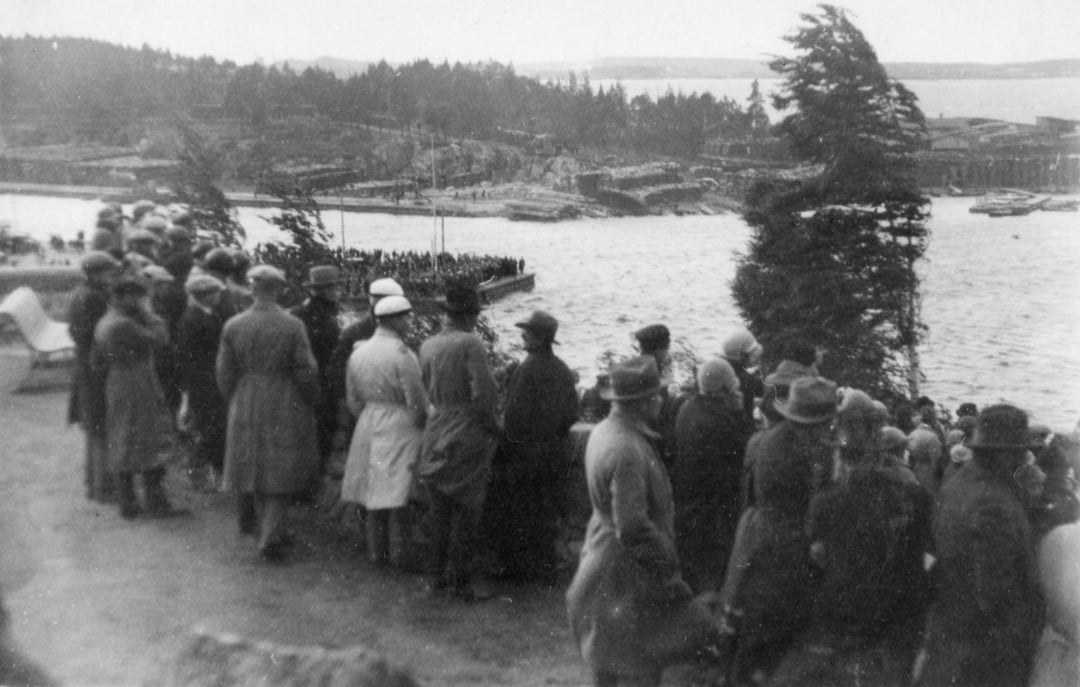
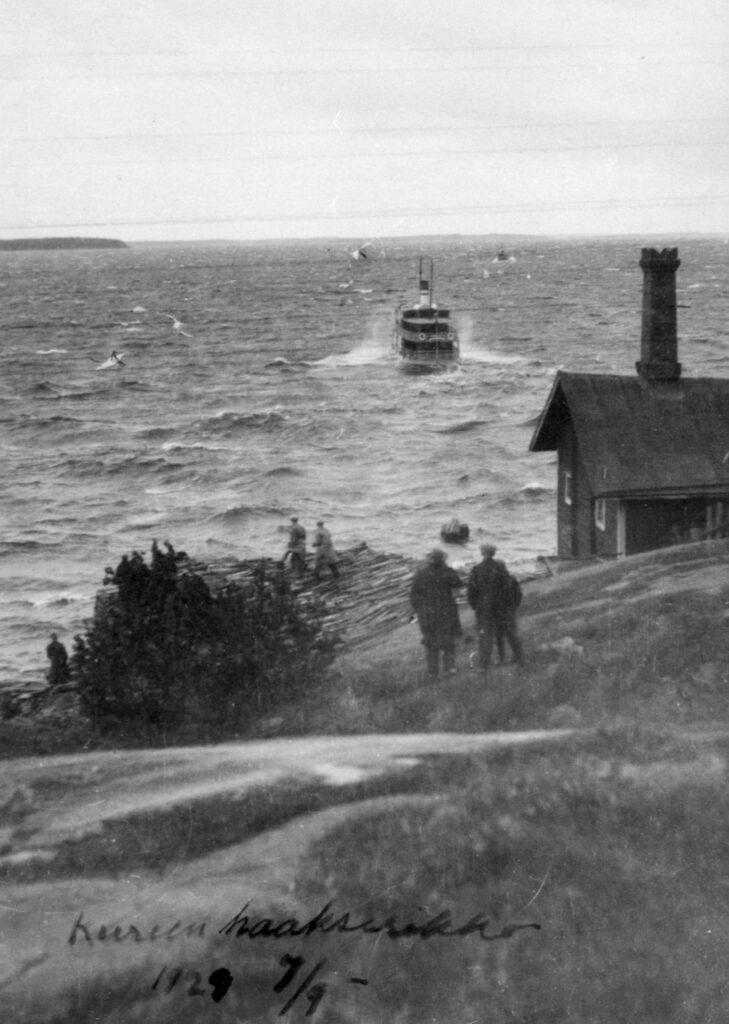
The worst ship disaster on Finnish inland waters occurred in Tampere, on Lake Näsijärvi. 150 passengers, 137 drowned. It happen on September 9, 1929. It was unusually strong autumn wind was blowing that day; the wind speed was 17–20 meters per second, and the waves were high. The experienced captain, Onni Saarinen, faced a dilemma; having served as captain of the steamship Kuru for ten years, he knew the lake was in a fury and the unusually high waves looked menacing. Nevertheless, Captain Saarinen decided to set out onto the storm-swept lake, as a couple of other steamships had departed shortly before and successfully navigated the most dangerous stretch. Wind speeds were measured at 17–20 meters per second, a very strong wind for Finnish inland waters. The ship had been moving for about five minutes. The waves were too high and crashed over the vessel. It took two minutes for the ship to sink. There were 150 passengers on board, 136 of whom drowned. The sinking occurred so close to the shore that people on land could see and hear everything; an eyewitness described the cries of the drowning as sounding like a male choir as the voices echoed off the steep cliffs.
Suomasema on
I wonder where the wind speed numbers came from.
And just in order to compare: 17 – 20 m/s is mainly just unpleasant for a modern sailboat.
However, I have red about odd/rogue waves that actually caused the catastrophe. And they are dangerous for modern vessels, too.
The ship’s captain cannot be blamed for the accident; he had served as the captain of the SS/Kuru for ten years and knew that the autumn storm was severe enough to make the voyage dangerous. However, when a couple of other ships departed and successfully pass the most dangerous area, Captain Onninen decided to also try. 5 minutes lasted that trip and then waves took the rives. Captain was helping people and he was the last to leave the ship.
elokuinenehtoo on
Another incident from this case also keeping my mind when i read book about this incident. After the accident, divers arrived to retrieve the victims who had remained inside the ship. Through the window of one of the cabins, divers see a young girl kneeling with her hands clasped. Her gaze was directed toward the window. There is very little water on the floor and she must have died from a lack of oxygen. As the diver forces the door open, the rushing mass of water pushes the body into his arms. The girl is Helmi Rasi, a 17-year-old schoolgirl.





5 Comments
SS/Kuru 1929
The worst ship disaster on Finnish inland waters occurred in Tampere, on Lake Näsijärvi. 150 passengers, 137 drowned. It happen on September 9, 1929. It was unusually strong autumn wind was blowing that day; the wind speed was 17–20 meters per second, and the waves were high. The experienced captain, Onni Saarinen, faced a dilemma; having served as captain of the steamship Kuru for ten years, he knew the lake was in a fury and the unusually high waves looked menacing. Nevertheless, Captain Saarinen decided to set out onto the storm-swept lake, as a couple of other steamships had departed shortly before and successfully navigated the most dangerous stretch. Wind speeds were measured at 17–20 meters per second, a very strong wind for Finnish inland waters. The ship had been moving for about five minutes. The waves were too high and crashed over the vessel. It took two minutes for the ship to sink. There were 150 passengers on board, 136 of whom drowned. The sinking occurred so close to the shore that people on land could see and hear everything; an eyewitness described the cries of the drowning as sounding like a male choir as the voices echoed off the steep cliffs.
I wonder where the wind speed numbers came from.
And just in order to compare: 17 – 20 m/s is mainly just unpleasant for a modern sailboat.
However, I have red about odd/rogue waves that actually caused the catastrophe. And they are dangerous for modern vessels, too.
Interestingly she was repaired and put back in service: https://en.wikipedia.org/wiki/SS_Kuru
Some reasons for the sinking in the article.
The ship’s captain cannot be blamed for the accident; he had served as the captain of the SS/Kuru for ten years and knew that the autumn storm was severe enough to make the voyage dangerous. However, when a couple of other ships departed and successfully pass the most dangerous area, Captain Onninen decided to also try. 5 minutes lasted that trip and then waves took the rives. Captain was helping people and he was the last to leave the ship.
Another incident from this case also keeping my mind when i read book about this incident. After the accident, divers arrived to retrieve the victims who had remained inside the ship. Through the window of one of the cabins, divers see a young girl kneeling with her hands clasped. Her gaze was directed toward the window. There is very little water on the floor and she must have died from a lack of oxygen. As the diver forces the door open, the rushing mass of water pushes the body into his arms. The girl is Helmi Rasi, a 17-year-old schoolgirl.