
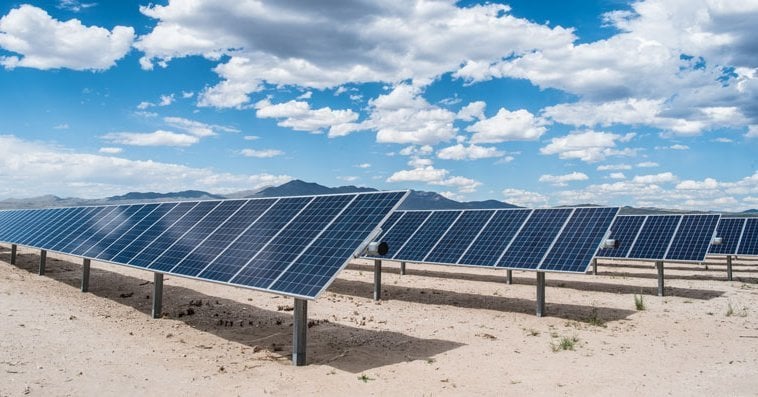
Behind-the-meter renewable energy projects see developers skip grid connection queues and power data centres and industrial parks directly
https://www.datacenterdynamics.com/en/news/behind-the-meter-projects-could-be-a-way-to-avoid-grid-connection-queues/
2 Comments
### Behind-the-Meter Projects: A Solution to Grid Connection Bottlenecks
#### Renewables Industry Faces Grid Connection Challenges
As renewable energy projects grapple with grid connection delays, behind-the-meter (BtM) projects, where renewable farms directly power customers like industrial parks via microgrids, are emerging as a viable alternative, according to experts at the Aurora Renewables Summit in London.
#### Growing Grid Connection Issues
The summit highlighted significant challenges in Europe, especially in Great Britain, where about 600GW of renewable energy projects are stuck in interconnection queues. Only about 20 percent of the last 4,000 projects requesting connections were realized. The average wait time for grid connection is now around five years, extending up to seven years for some projects, severely affecting project viability and profitability.
Richard Scott, VP of development and construction at JERA Nex, and Alexa Sharples, corporate strategy director at Low Carbon, emphasized the uncertainty and delays in grid connections, with some developers being told they won’t get connections until the 2030s.
#### Factors Contributing to Delays
Limited transmission infrastructure and a shortage of electrical talent, as every developer is hiring skilled workers, contribute to these delays. The summit called for reforms, investments in improving grid connection speeds, training more engineers, and building more grid infrastructure.
#### Behind-the-Meter Projects as a Solution
Bruce Huber, CEO of Alexa Capital, suggested BtM projects as a way to de-risk investments and bypass grid connection issues. BtM projects are growing in popularity, with examples like megawatt industrial parks in the MISO connection area around Ohio, where industrial customers are powered by microgrids.
Scott mentioned JERA Nex’s interest in colocating low-carbon fuel production, such as hydrogen, at various sites, which could be crucial as hydrogen fuel cells start being used at data centers for primary and secondary power.
#### Shifting Focus to Larger Projects
There is a noticeable shift towards larger renewable projects, with capacities ranging from 300 to 600MW, rather than smaller 20-50MW projects. Battery storage is becoming increasingly important to project viability, allowing power to be sold back to the grid during high prices and ensuring constant power supply for BtM projects.
#### Conclusion
BtM projects offer a promising solution to the grid connection bottlenecks plaguing the renewables industry. By directly powering customers and integrating battery storage, these projects can ensure continuous power supply and improve investment viability, helping to navigate the current challenges in grid connections.
This would be true if there was any sense on the part of the ISOs. I have a 2MWac BTM project that’s getting thrown into an ASO study. The sites minimum base load during peak generation hours? 5MWac…