A hydrogen-powered air taxi flew 523 miles emitting only water vapor
https://www.popsci.com/technology/hydrogen-power-air-taxi/

A hydrogen-powered air taxi flew 523 miles emitting only water vapor
https://www.popsci.com/technology/hydrogen-power-air-taxi/
22 Comments
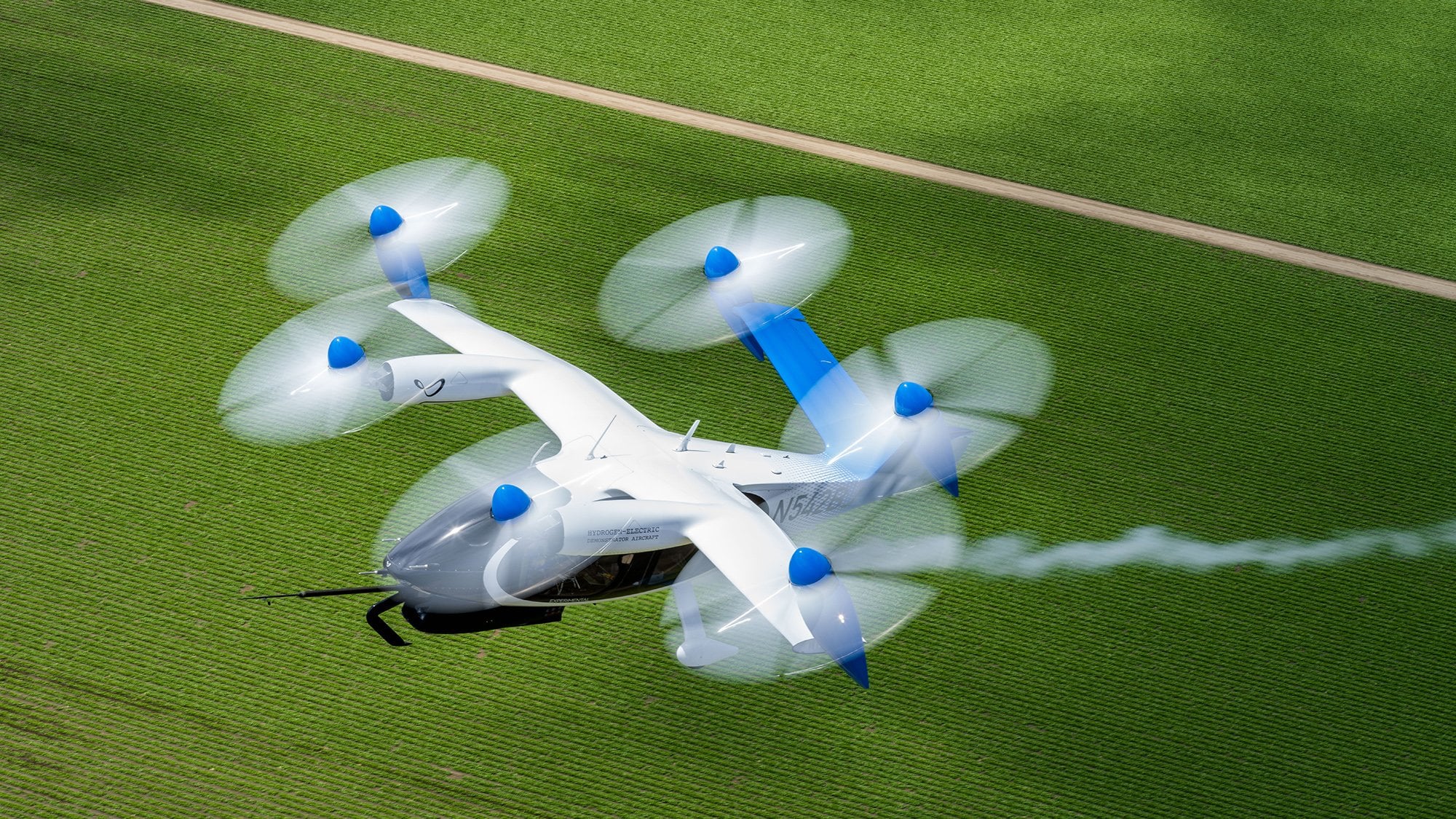
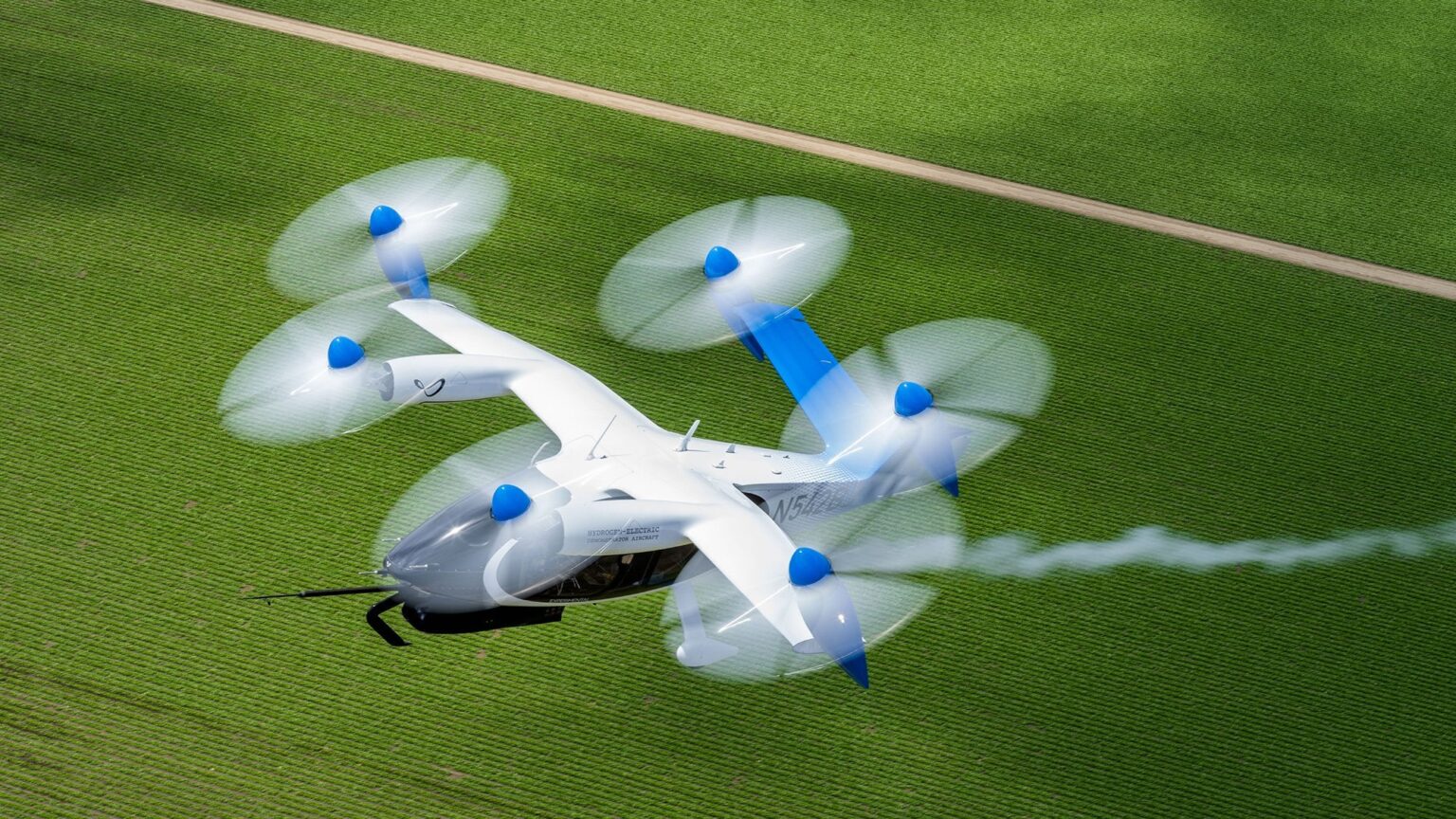
A flying-car-like vertical takeoff aircraft created by Joby Aviation has completed a first-of-its-kind, 523 mile test flight using hydrogen power.
The aircraft, which reportedly left only a trail of water vapor in its wake, is being pitched as a more environmentally friendly alternative to traditional gas powered jets for mid-range, regional travel.
Though questions remain about hydrogen power’s long-term viability at scale, the test flight proves it’s possible to retrofit existing electric powered aircraft with hydrogen fuel cells to effectively extend their range.
The question is what was emitted during the production of hydrogen.
So what will be the flight routes be, assuming they’re permitted to fly across cities? What’s the plan in case of emergencies like mechanical or electrical failure etc?
Production of hydrogen is most commonly done via hydrocarbons, from something like natural gas.
Overall, more CO2 is released into the atmosphere, producing the hydrogen that way, as compared to if you had just went ahead and used/burnt the natural gas instead!
In short: using/burning the natural gas is far more efficient and better for the environment, rather than turning it into hydrogen fuel.
——————————–
That said, that’s NOT the only way you can produce hydrogen fuel.
You could do so with solar panels, and/or wind turbines, by splitting water molecules (into hydrogen and oxygen).
You could also use a nuclear power plant to do the same.
And then when the hydrogen fuel is burnt and consumed, it then recombines with oxygen, restoring the water molecule once again.
In a case like that it’s a pretty clean energy supply and cycle!
————————————
But for now, don’t be fooled.
By far, the vast majority of hydrogen gas/fuel is being produced via natural gas. And in that case, the question is mainly… why?!
Might as well just burn the natural gas instead. Again, it’s way more efficient, and it’s much easier working with natural gas than hydrogen gas.
——————————–
NOTE: there are actually some use cases for burning the hydrogen instead of natural gas, such as for example if you’re running engines inside an interior space with people inside walking around next to those engines.
There’s actually many forklifts that run on hydrogen for example, inside of warehouses. So that the byproduct of running the hydrogen burning forklift engine like that is just water, rather than noxious gases, such as carbon monoxide, which can cause carbon monoxide poisoning in enclosed spaces.
But other than that… not really much point of burning hydrogen instead of natural gas… For now.
It’s called a air taxi although there isn’t enough space for passengers it uses hydrogen fuel derived from non renewable natural gas . No commercial applications planned.
No, it did not.
It did not flew 523 miles emitting only water vapour.
It is modified electric airplane and it used mostly electric energy stored in batteries.
Only fraction of energy used in flight came from hydrogen stored in the airplane.
It makes it fake news.
Same kind of PR bollocks as BEV cars, never talking about how much CO2 was produced making the electricity in the battery cells and the production of the hydrogen on board.
You guys do realize current patent law currently is responsible for hiding energy efficiencies greater than 80% with the army, navy, and NASA.
Remember that like current EVs, this is just deferred emissions. Energy was still needed to crack water, and unless it was all through solar or other renewables, there are still emissions associated with it.
OK, so how is it going to counter low air tempereture issues? We all know what happens to the water vapour once it gets cold.. It turns in to ice.
How much petrol was used to produce the hydrogen tho ?
My understand was that storing hydrogen requires a LOT of weight because of the pressure you need to store it as, so being able to make a *flying* vehicle travel 500+ miles with it sounds very impressive. Hence why I am extremely annoyed the articles says nothing about how they approached the problem of storing it.
Leaving only water vapor in your wake SOUNDS clean and good for the environment, BUT IT’S NOT!
Water vapor is a MUCH stronger greenhouse gas. Hydrogen as a fuel is a very, very, bad idea. Unless you want more warming than fossil fuels provide.
That vapor trail in the first image is fake and unnecessary.
This is great news. Hydrogen does have its challenges but this type of proof of concept is important as we look for sustainable low carbon energy solutions.
Cool except hydrogen fuel costs 6 times the amount of gasoline
You have to include the emissions of producing the hydrogen. That takes a lot of energy, and isn’t “just water” at the plant.
Op please don’t lie
LOL sure but tell me how much energy was wasted in producing the hydrogen that was used for this flight.
Spoiler: a lot more than you think.
I didn’t see them say how fast these things go. Probably slower than regular planes, right? Are they at least a faster than cars?
Just build trains! Sheesh. All this complexity to fly a hundred miles an hour when we could be working on all-electric bullet trains running on solar or wind power, then instead of one or two passengers at a time the train could move hundreds. You know what these planes are flying over? It’s all the special interests and red tape that makes it impossible to put down proper infrastructure.
I mean it cool and all. With no bad emissions, but you still have to go to a gas station to fill it up at whatever the price they demand for it
I’d rather plug in at home and pay 1/10th the price with electricity
I remember some years ago another hydrogen-powered air taxi flying 226 000 miles