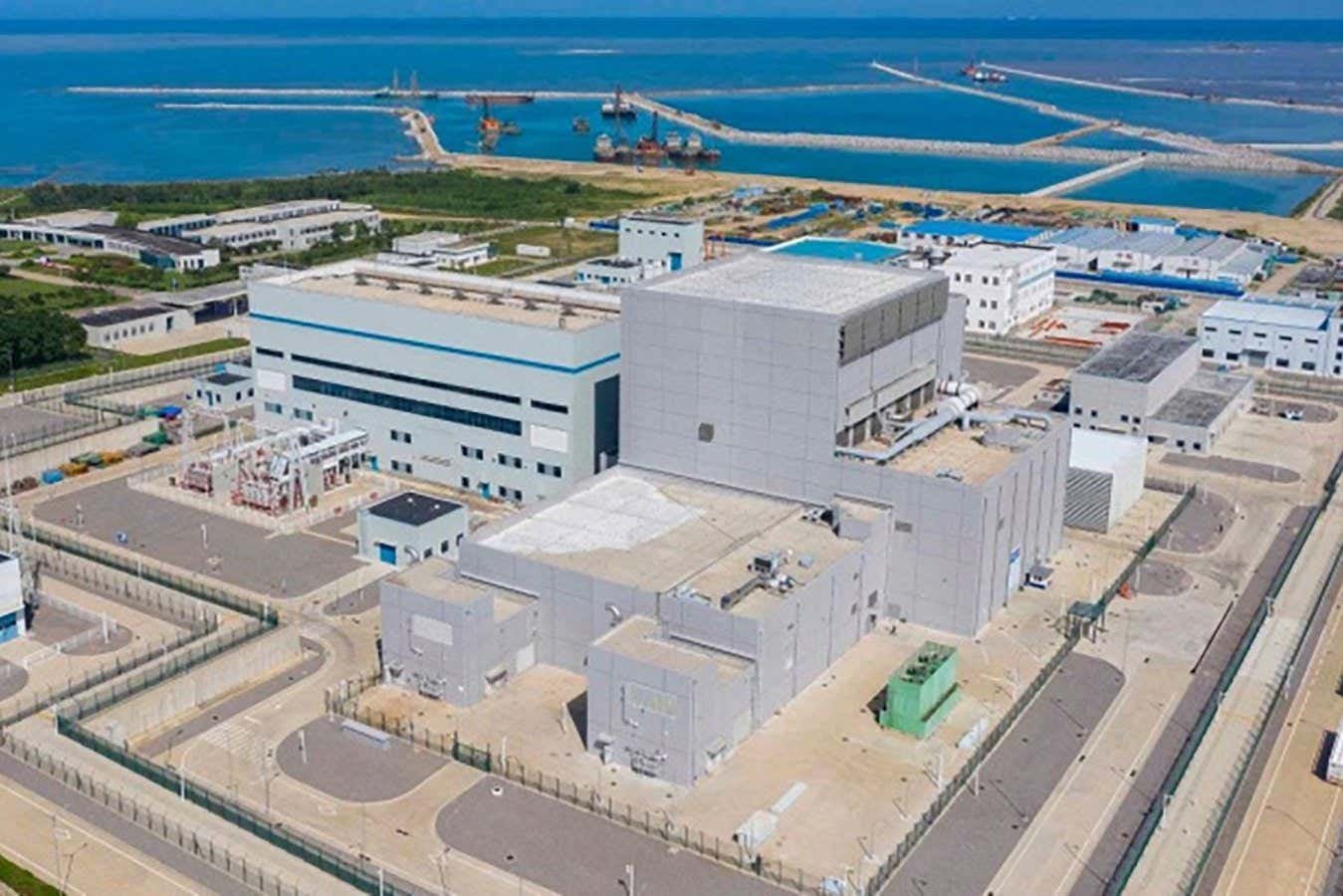
Chinese nuclear reactor is completely meltdown-proof
https://www.newscientist.com/article/2440388-chinese-nuclear-reactor-is-completely-meltdown-proof/

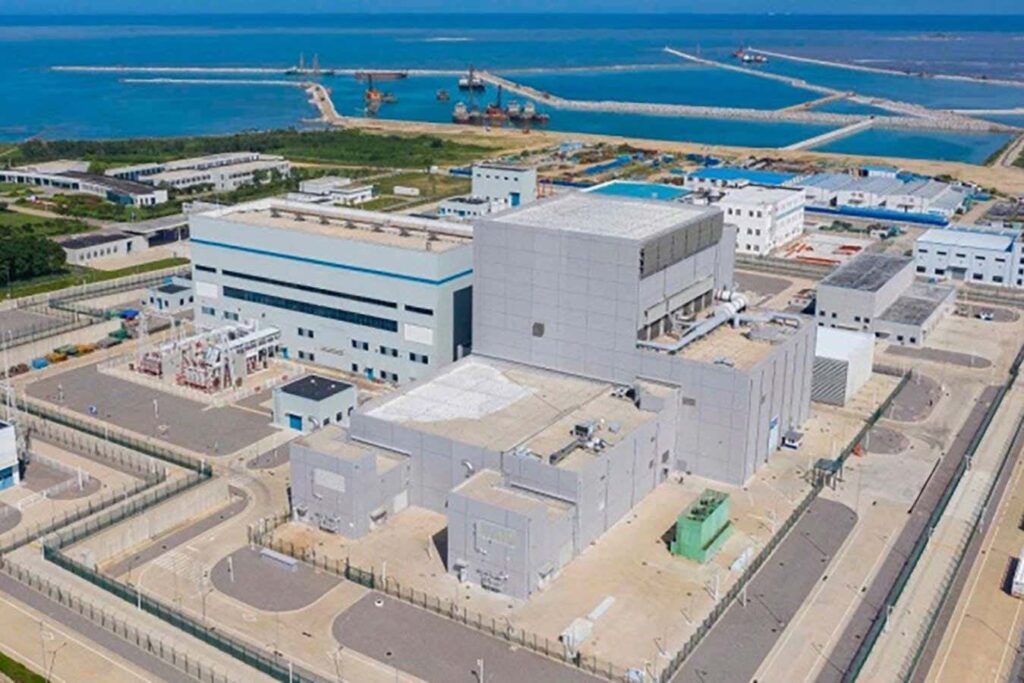
Chinese nuclear reactor is completely meltdown-proof
https://www.newscientist.com/article/2440388-chinese-nuclear-reactor-is-completely-meltdown-proof/
1 Comment
A large-scale nuclear power station in China is the first in the world to be completely impervious to dangerous meltdowns, even during a full loss of external power. The design can’t be adapted to existing nuclear reactors around the world, but could be a blueprint for future ones.
A relatively new kind of reactor design, called a pebble-bed reactor (PBR), has the advantage of being passively safe, which means that if power for cooling systems is lost, then the reactor can safely shut down by itself. Rather than use highly energy-dense fuel rods like many other reactor designs, PBRs use a large number of low-energy-density “pebbles” as fuel, which contain a small amount of uranium surrounded by graphite. This can help slow the nuclear reaction and withstand high temperatures.
This lower energy density means any excess heat will be spread out over all of the pebbles, and so will be easier to transport away using natural cooling processes like conduction and convection, says Zhe Dong at Tsinghua University in China.