
Samsung delivers solid-state battery for EVs with 600-mile range as it teases 9-minute charging and 20-year lifespan tech
https://www.notebookcheck.net/Samsung-delivers-solid-state-battery-for-EVs-with-600-mile-range-as-it-teases-9-minute-charging-and-20-year-lifespan-tech.867768.0.html
16 Comments
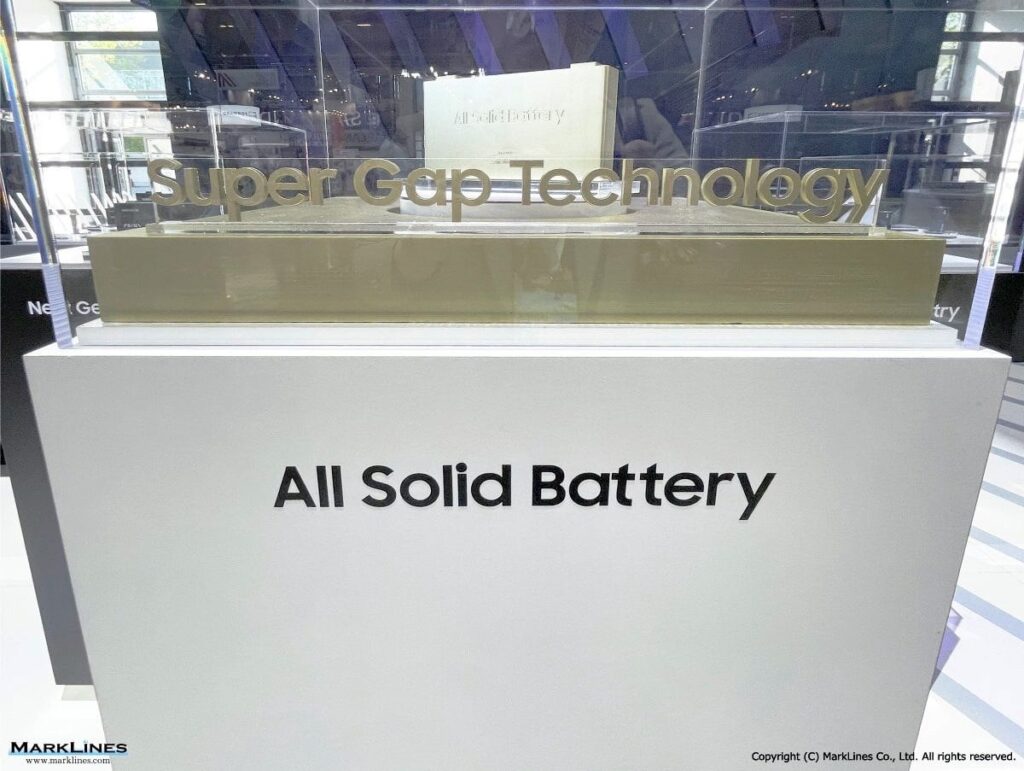
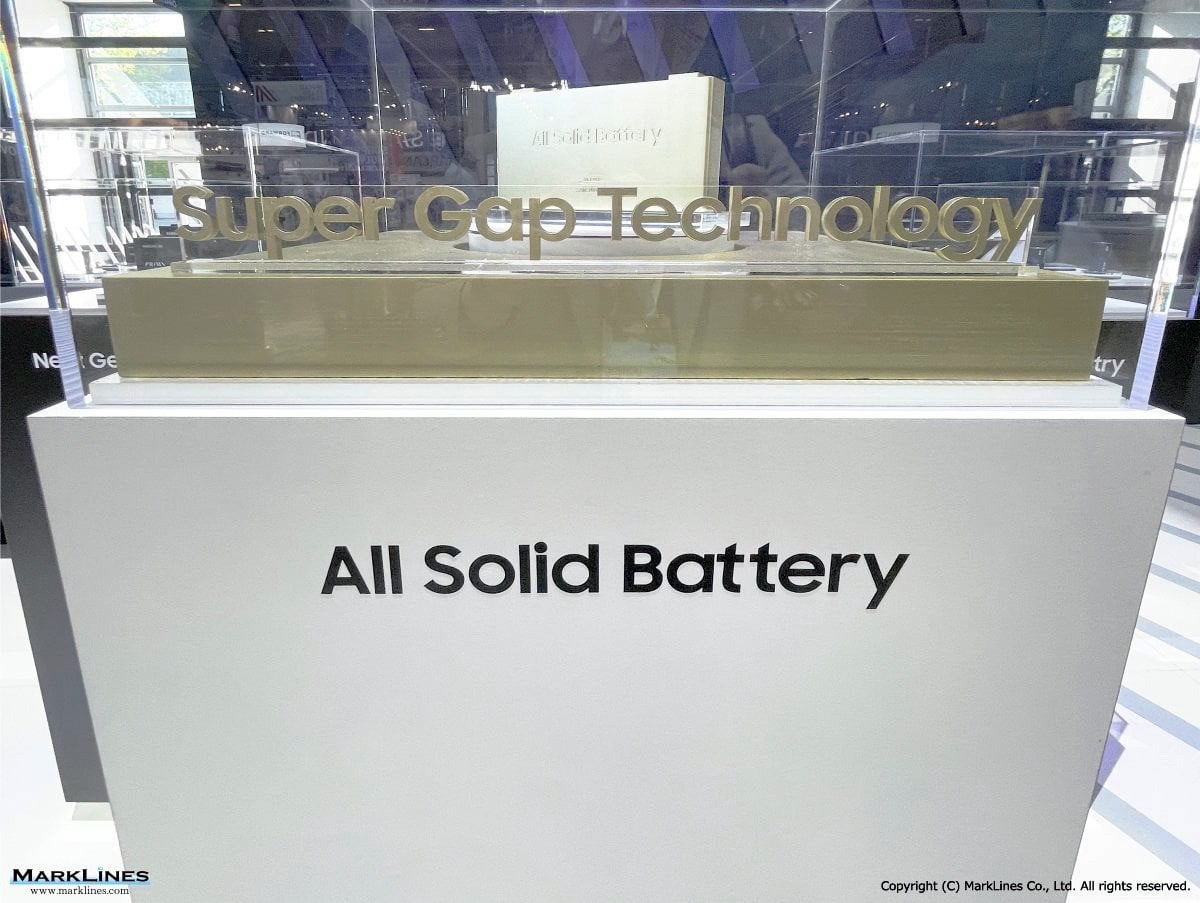
From the article: Samsung took part in the SNE Battery Day 2024 expo in Seoul this week to demonstrate its new battery technologies. The first batches from its pilot solid-state battery line have been delivered to EV makers, and they’ve been testing the cells for about six months now.
According to Samsung SDI’s VP, automakers are interested in its solid-state battery packs because they are smaller, lighter, and much safer than what’s in current electric cars. Apparently, they are also rather expensive to produce, since it warns that they will first go into the “super premium” EV segment. Those Samsung defines as luxury electric cars that can cover more than 600 miles on a charge.
Samsung’s oxide solid-state battery technology is rated for an energy density of about 500 Wh/kg, which is about double the density of mainstream EV batteries. Those have capacities that already allow more than 300 miles on a charge, so 600 miles of range in a similar footprint is not out of the question, but the issue is production costs.
Both Toyota and Samsung have vowed to begin mass solid-state battery production in 2027. Toyota, however, also advised that it will be installing them in premium electric cars under the Lexus brand first, so solid-state batteries won’t reach mass market cars any time soon.
Actually, price was the main reason that the largest EV battery maker CATL initially scoffed at any mass solid-state battery production plans, saying that this can’t happen before 2030. CATL has since reconsidered, though, and is now planning for 1% solid-state battery penetration rate in 2027.
But they can’t make a refrigerator that lasts 5 years.
The fact there’s no $/kwh price worries me – just how much more expensive are these looking at being compared to LFP and li-ion batteries?
Also might these be usable in aviation or still not energy dense enough?
Seems like good news on this front anyway as these have felt like vapourware up to now, I didn’t realise they were testing them in EVs already.
This is why EV sales are down. Who would buy now with all these amazing battery advancements around the corner?
(XXXXXXXXXXXXXXXXXXXXXXXXXXXXXXXXXXXXXXXXXXXXXXXXXXXXXXXXX) Doubt Doubt Doubt
P.S. My normal version of comment was removed because to short… “(X) Doubt”
“The first batches from its pilot [solid-state battery](https://www.notebookcheck.net/Samsung-jumps-on-the-LFP-and-solid-state-EV-battery-production-bandwagon.701773.0.html) line have been delivered to EV makers”
CATL, the worlds largest battery manufacturer, are also selling Lithium batteries that now last 15,000 plus cycles – with an expected lifespan of 20 years and a very good power density 430 wh/l, so they are making solid state somewhat redundant.
10-15 years from now we’ll look back and laugh at all the worries there were around EVs. The idea that we’d all need personal charging points at home. Cars will charge the same way we do now – you go into a charging station, plug a cable in for a couple of minutes and you’re done.
“delivers” is misleading. it’s just a prototype. it’s not delivering to any consumer or client.
many other companies are further ahead with their own SSB projects. so this means little except a small milestone for one company.
Energy density?
Max discharge and charge with temps?
Cycles and depredation curve?
Let’s hope it’s more reliable than the one they put in the Note 4
What happened to the 2000 other battery technology breakthrough you hear about here last couple of years?
Can we get these in battery electric public transit buses first? My industry is still on the fence whether hydrogen fuel cells are a good idea. They might be but only in niche cases. Demonstrating fast charging solid state batteries with no fire risk and higher density might finally put the argument to rest and agencies can better focus on BEBs only, which will inevitably be the winner. I’m thinking hybrid batteries with solid state and LFP might be a good interim solution. A replacement BEB battery costs like $200k right now.
Seems like VTOLs and electric planes would be a natural premium application for these batteries.
And they’ll be building them outside my hometown in Kansas of all places. A plant with 100 acres under roof and an extra 300 or so to expand in the future!
Didn’t their phone batteries catch fire? Might wanna wait this one out.
I believe this is the battery Toyota plans on introducing with the 2026 model year, which is probably getting close to finalizing design.