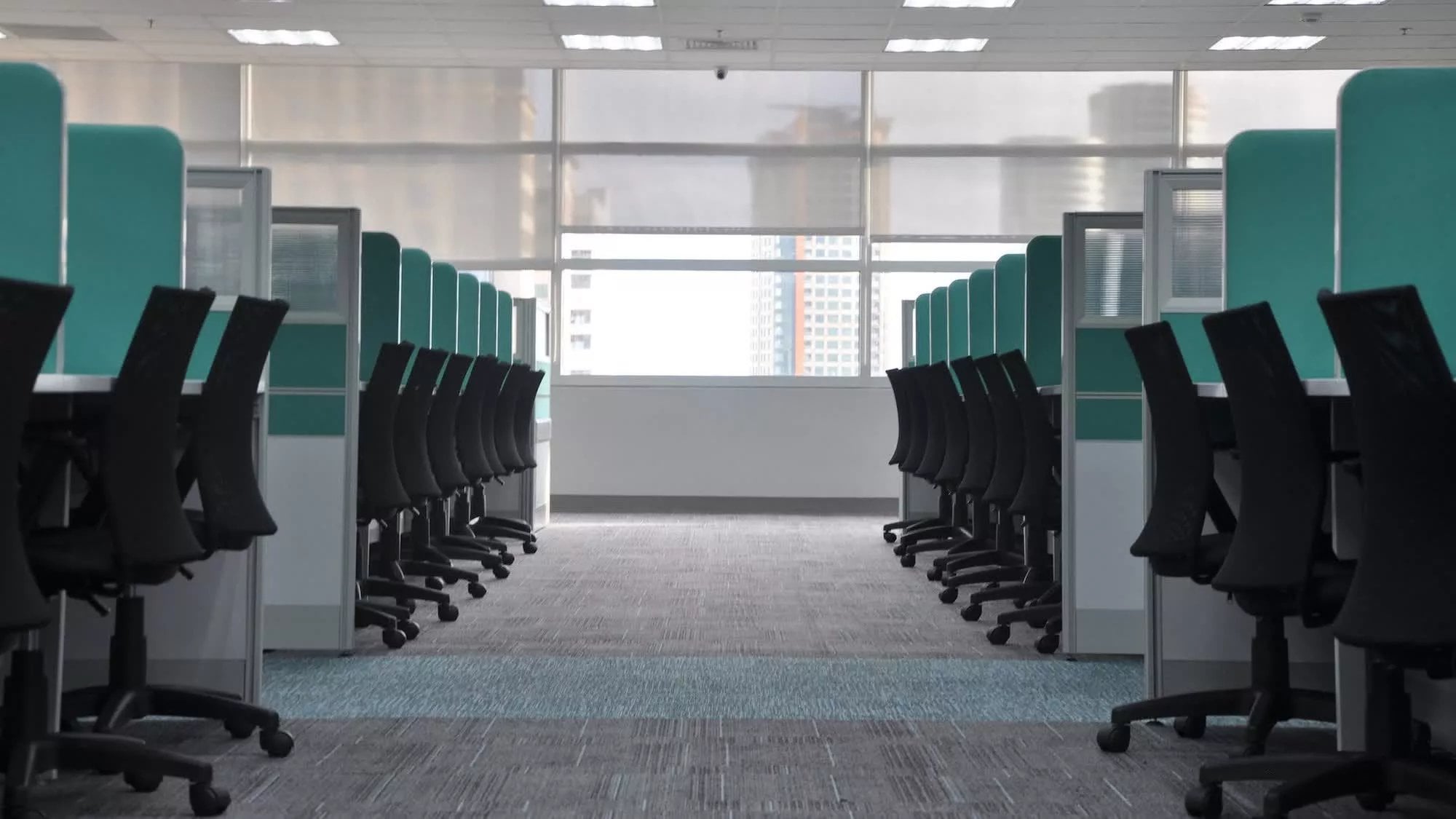
Tech companies are struggling to bring workers back to the office | Flexible working models have won, and CEOs are being forced to back off
https://www.techspot.com/news/104124-tech-companies-struggling-bring-workers-back-office.html


Tech companies are struggling to bring workers back to the office | Flexible working models have won, and CEOs are being forced to back off
https://www.techspot.com/news/104124-tech-companies-struggling-bring-workers-back-office.html
4 Comments
From the article: The labor market is sending mixed signals regarding return-to-office work policies introduced after the pandemic. A recent study indicates that tech companies have shifted their stance and are now adopting a more flexible approach, allowing workers to choose their preferred work arrangements.
People are increasingly reluctant to return to full-time office positions, and companies are starting to accept this potentially revolutionary shift. According to a recent analysis by Flex Index on work policies adopted by 2,670 technology-related companies, only three percent are requiring employees to return to the office or face consequences, down from eight percent just last year.
The companies surveyed by Flex Index collectively employ more than 11 million people. As of this year, 79 percent of these organizations have adopted fully flexible work arrangements, up from 75 percent last year. In 2023, 38 percent of companies had implemented an “employee’s choice” work model, which has now increased to 56 percent. Only 18 percent of the surveyed companies still require employees to work from the office on specific days of the week via a so-called “structured hybrid model.”
The technology sector is a particularly interesting microcosm to observe, as tech companies are theoretically well-equipped to support a hybrid labor market. However, work-from-home policies have been a contentious issue for some of the most prominent technology companies in the world over the past few months, or even years.
My understanding was that it’s now tacitly known that the Return to the Office push among tech firms was a way to fire people without firing them and having to pay unemployment or severance.
So many exceptions were made that enforcement would always be patchwork, because there were a lot of load-bearing people who were fully remote even before COVID. So many of the people “threatened” were exactly the talent that tech firms had spent billions of cheap cash or venture capital to obtain in the first place. With the RTO fatwas falling mostly to middle managers to enforce, and with those same people most aware which employees would leave for greener pastures if pushed, it’s not surprising that they were ineffective.
It makes more sense to me that the C-suites got the (not-)layoffs they wanted, blunted a burgeoning tech worker unionization movement, and decided that further noise on the issue was going to highlight how incapable they were at enforcing said fatwas. That was gonna start hurting stock prices instead of helping it, so they’re dusting off the PR gloss from two years ago to sell their “new” approach that’s just the status quo.
I’m all for acceleration, we need AI to solve the world’s most demanding issues, but this flexible work arrangement is a double-edged sword. On one hand, it’s a win for employees, on the other, it might lead to regulatory capture and worsen the already stark wealth inequality.
Why should I pay a silly amount of money on travel and 3hrs of my day to commute, when the same job has been proven it can be done at home?