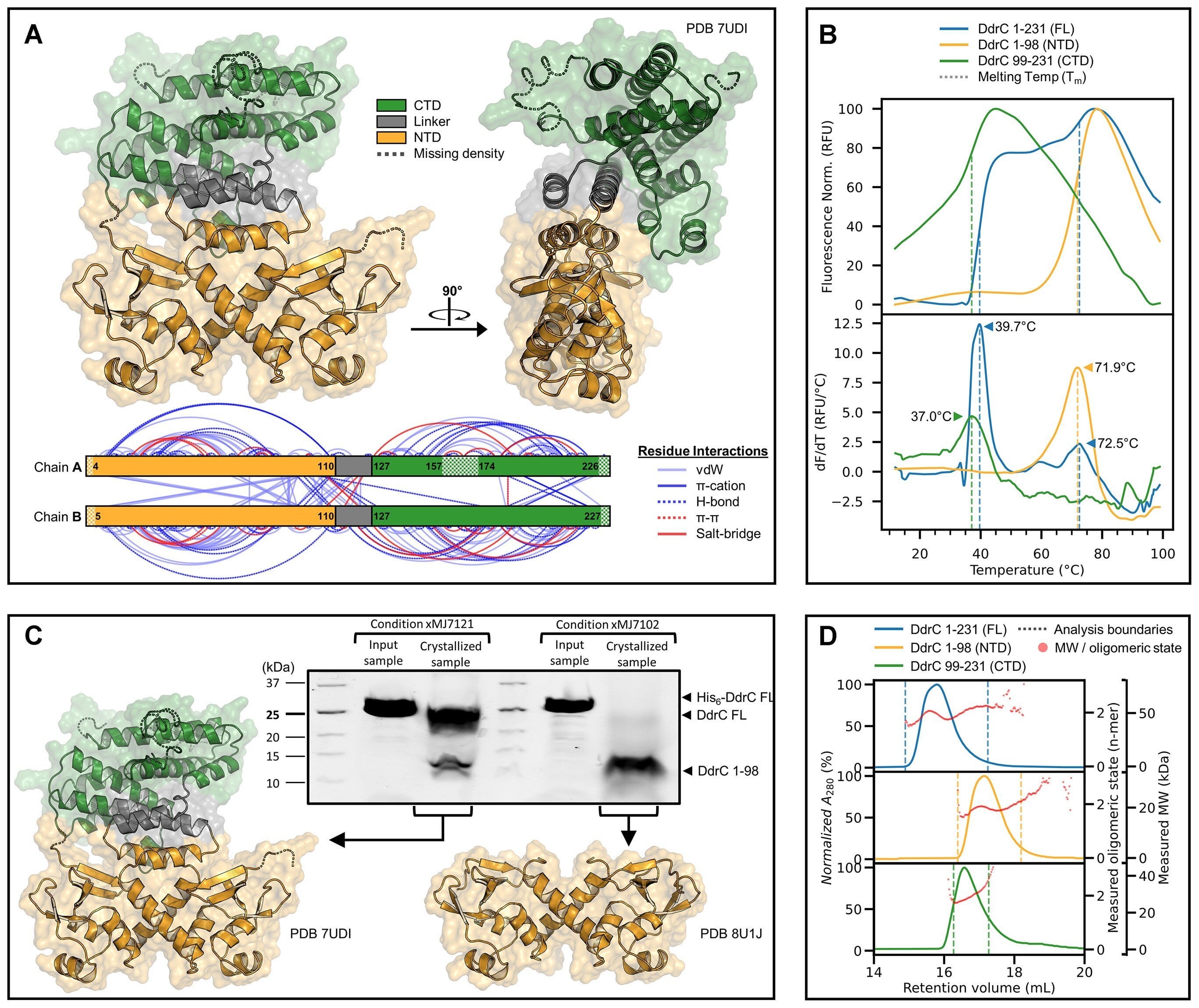
Researchers from Western University have discovered a protein that has the never-before-seen ability to stop DNA damage in its tracks.
https://phys.org/news/2024-08-newly-protein-dna.html

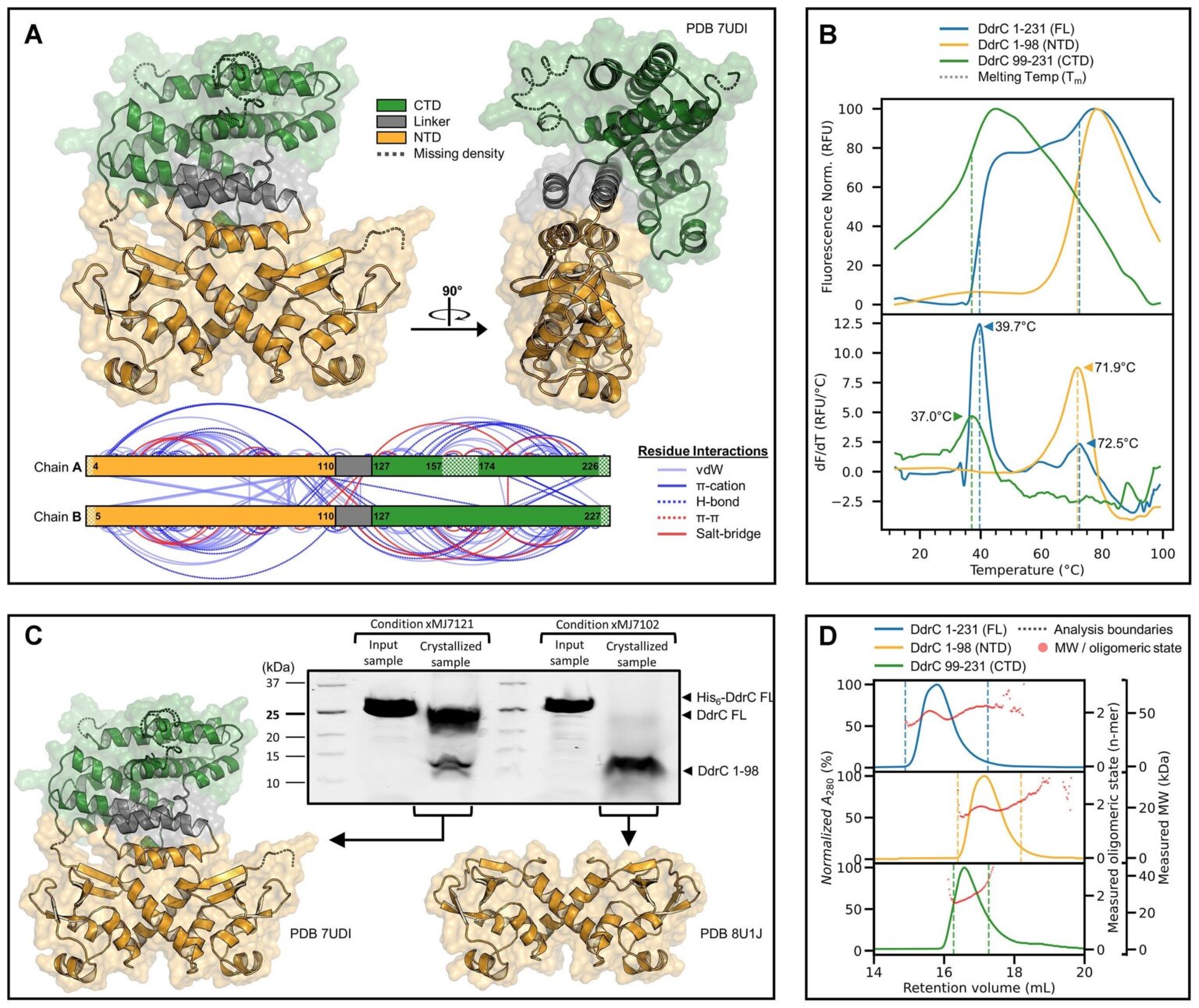
Researchers from Western University have discovered a protein that has the never-before-seen ability to stop DNA damage in its tracks.
https://phys.org/news/2024-08-newly-protein-dna.html
5 Comments
Submission Statement:
>Researchers from Western University have discovered a protein that has the never-before-seen ability to stop DNA damage in its tracks. The finding could provide the foundation for developing everything from vaccines against cancer, to crops that can withstand the increasingly harsh growing conditions brought on by climate change.
>The researchers found the protein—called DdrC (for DNA Damage Repair Protein C)—in a fairly common bacterium called Deinococcus radiodurans (D. radiodurans), which has the decidedly uncommon ability to survive conditions that damage DNA—for example, 5,000 to 10,000 times the radiation that would kill a regular human cell. Lead researcher Robert Szabla says Deinococcus also excels in repairing DNA that has already been damaged.
>”It’s as if you had a player in the NFL who plays every game without a helmet or pads,” says Szabla, a grad student in Western’s Department of Biochemistry. “He’d end up with a concussion and multiple broken bones every single game, but then miraculously make a full recovery overnight in time for practice the next day.” He and his colleagues discovered that DdrC is a key player in this repair process.
>Every cell has a DNA repair mechanism to fix damage. “With a human cell, if there are any more than two breaks in the entire billion base pair genome, it can’t fix itself and it dies,” he says. “But in the case of DdrC, this unique protein helps the cell to repair hundreds of broken DNA fragments into a coherent genome.”
>Szabla and his team used the Canadian Light Source (CLS) at the University of Saskatchewan (USask) to determine the 3D shape of the protein, from which they then worked backwards to better understand its “superpower” to neutralize DNA damage.
I’ll take one shot of this please!
Let’s hope they will advance this into usable applications soon!
Interesting but no evidence of it being able to do this in other and more complicated organisms yet.
Could you imagine if it spread this ability to a virus or other bacteria? How would you get rid of a virus or bacteria that could kill?
If this works on humans, this could make space travel more feasible. This could protect astronauts from cancer from all the radiation they’re exposed to.
Being able to repair DNA, and repair DNA correctly, are two completely different things. In bacteria, repair incorrectly doesn’t matter because they are short lived and have very prolific reproduction. In eukaryotes (higher level organisms) you must repair the DNA correctly!