I feel like I define “design” very differently than the articles author .
Are_you_blind_sir on
The world needs silent sea faring vessels more urgently
Advanced-Summer1572 on
I might be confused, but I was a government security contract company in the 80’s-2010’s… During that time I saw an A-76 (Government request for proof of concept program) plan for “Slush hydrogen” fueled troop transportation aircraft. Is this what they are now calling “liquid hydrogen”?
funny_lyfe on
Might work if you take let’s say 100kmx100km in the Sahara, or the Gobi or Arizona. Then produce hydrogen only for planes and switch quickly. The only issue is that we might have short spike in warming because of cleaner air.
TheManWhoClicks on
Pfff I just designed one in my head that can travel twice around the world by using only 2% of its fuel. The fuel being one potato and three carrots.
I_AM_ACURA_LEGEND on
Singapore airlines already flies direct between Singapore and NYC, is that not “halfway around the world”
Boundish91 on
I thought the big hurdle was actually producing hydrogen on a large scale efficiently?
Blackboard_Monitor on
With all the issues liquid hydrogen causes to metals I’m not at all comfortable flying with that fuel.
guest00x on
don’t leave us hanging. what happen after they travel halfway around the world? did they bust a U turn?
Mafhac on
Because the last time we built a large aircraft relying on hydrogen went so well
nowwhathappens on
Oh yeah, because storing liquid hydrogen at -418F for the whole route on an airplane will be easy and won’t add any extra weight or cost.
It’s an interesting concept I guess and I’m glad people are thinking of ways to use less fossil fuels. But I think the victims of the Hindenburg would like a word about this. And before you go “BuT tHat wAs jUsT HydroGen, NoT LiQUid HydRogen” – it’s the same material essentially. Liquid Hydrogen is an extremely hazardous product whose transport on passenger aircraft is currently forbidden per IATA if you look in the SDS of liquid hydrogen (section 14), and with good reason. If anything goes awry on an airplane, good luck to all. Remember that ValuJet plane that crashed because of the *oxygen* tank issue? And that’s not even a flammable gas.
windoneforme on
It’s one thing to design an aircraft and quite another to build it. Even harder is getting it airworthy, then certification, and it eventually has to be profitable to operate.

13 Comments
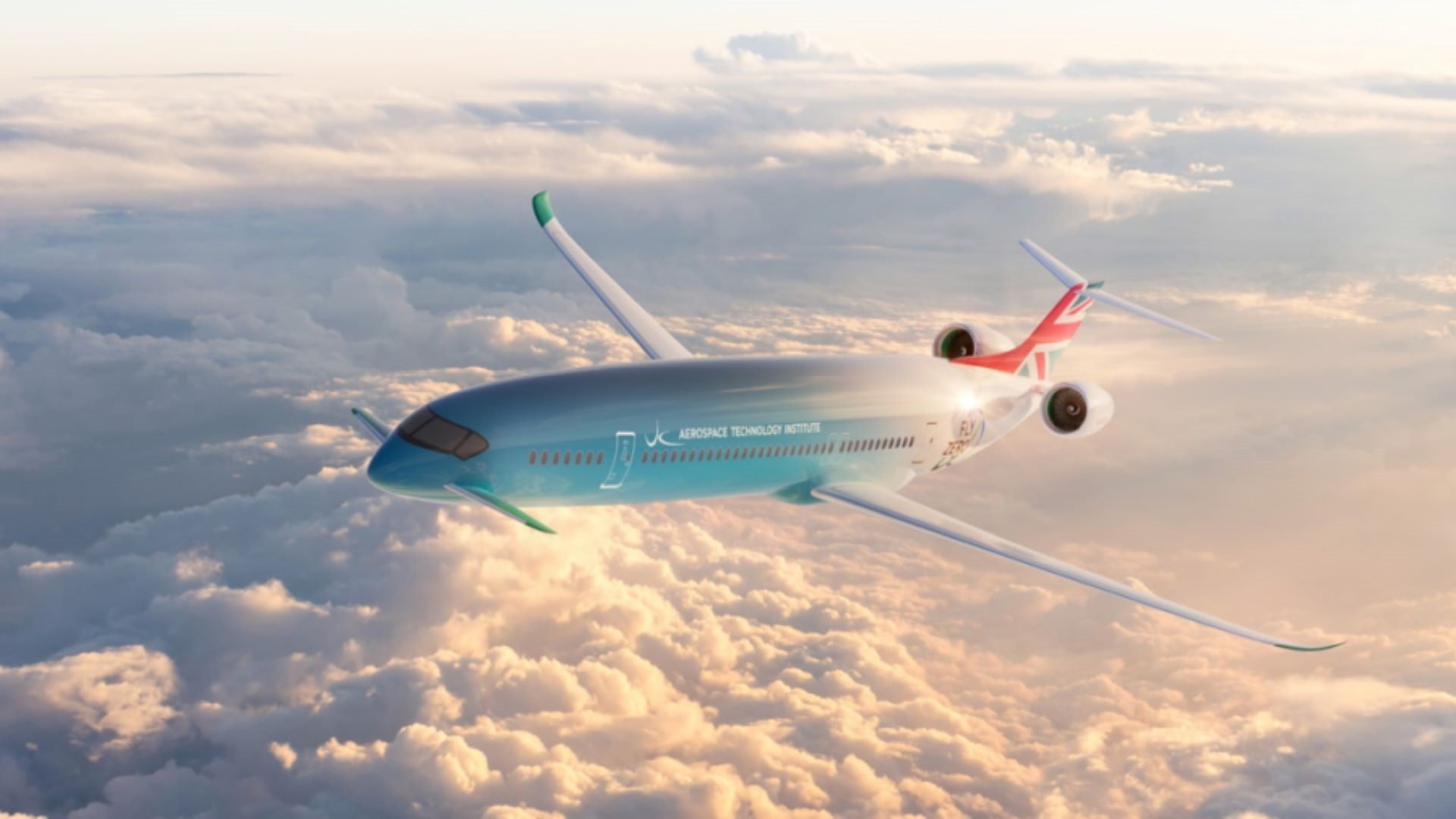
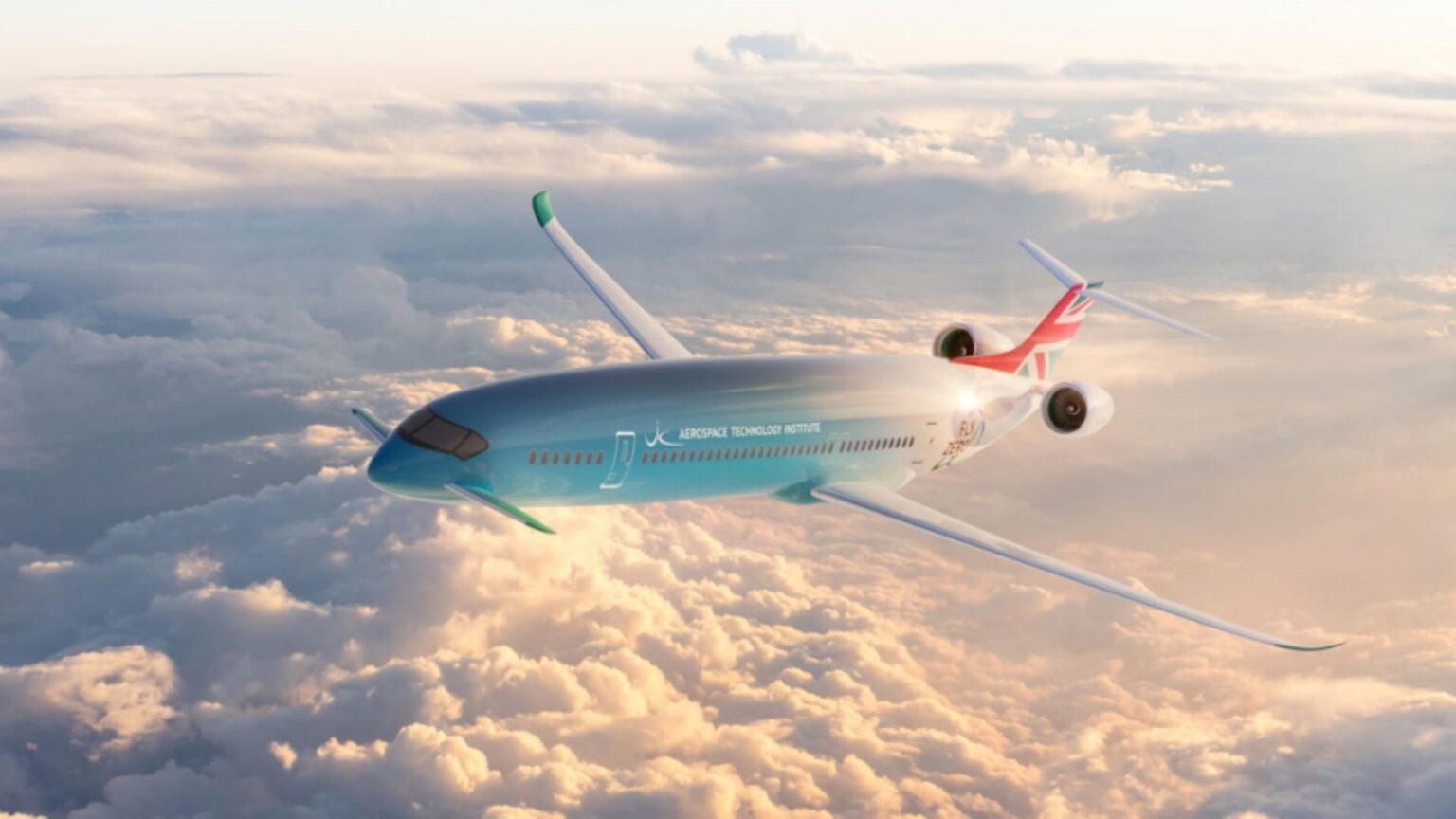
A breakthrough liquid hydrogen-fueled [aircraft](https://www.ati.org.uk/flyzero/) concept developed in the United Kingdom [could](https://www.ati.org.uk/wp-content/uploads/2022/03/FZO-ALL-REP-0004-FlyZero-Our-Vision-for-Zero-Carbon-Emission-Air-Travel.pdf#:~:text=Together%2C%20the%20concept%20aircraft%20carry%20between%2075,nautical%20miles.%20Below%20the%20whole%20aircraft%20level%2C.) take passengers from London to San Francisco with no layover.
I feel like I define “design” very differently than the articles author .
The world needs silent sea faring vessels more urgently
I might be confused, but I was a government security contract company in the 80’s-2010’s… During that time I saw an A-76 (Government request for proof of concept program) plan for “Slush hydrogen” fueled troop transportation aircraft. Is this what they are now calling “liquid hydrogen”?
Might work if you take let’s say 100kmx100km in the Sahara, or the Gobi or Arizona. Then produce hydrogen only for planes and switch quickly. The only issue is that we might have short spike in warming because of cleaner air.
Pfff I just designed one in my head that can travel twice around the world by using only 2% of its fuel. The fuel being one potato and three carrots.
Singapore airlines already flies direct between Singapore and NYC, is that not “halfway around the world”
I thought the big hurdle was actually producing hydrogen on a large scale efficiently?
With all the issues liquid hydrogen causes to metals I’m not at all comfortable flying with that fuel.
don’t leave us hanging. what happen after they travel halfway around the world? did they bust a U turn?
Because the last time we built a large aircraft relying on hydrogen went so well
Oh yeah, because storing liquid hydrogen at -418F for the whole route on an airplane will be easy and won’t add any extra weight or cost.
It’s an interesting concept I guess and I’m glad people are thinking of ways to use less fossil fuels. But I think the victims of the Hindenburg would like a word about this. And before you go “BuT tHat wAs jUsT HydroGen, NoT LiQUid HydRogen” – it’s the same material essentially. Liquid Hydrogen is an extremely hazardous product whose transport on passenger aircraft is currently forbidden per IATA if you look in the SDS of liquid hydrogen (section 14), and with good reason. If anything goes awry on an airplane, good luck to all. Remember that ValuJet plane that crashed because of the *oxygen* tank issue? And that’s not even a flammable gas.
It’s one thing to design an aircraft and quite another to build it. Even harder is getting it airworthy, then certification, and it eventually has to be profitable to operate.