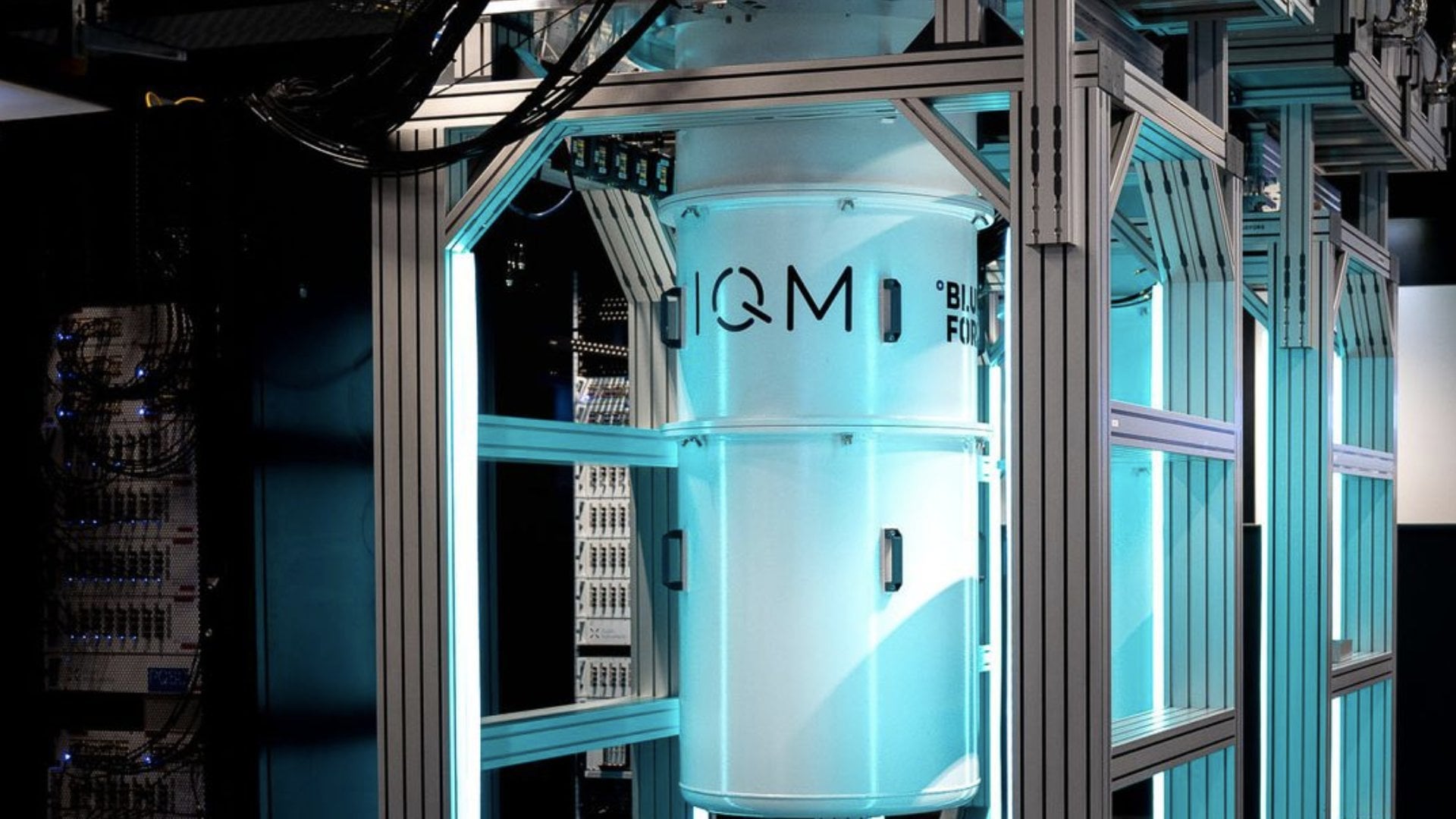
Prototype quantum processor hits record 99.9% qubit fidelity in a major milestone | The achievement marks a way toward “fault-tolerant” quantum computing.
https://interestingengineering.com/science/iqm-quantum-computers-record-low-error

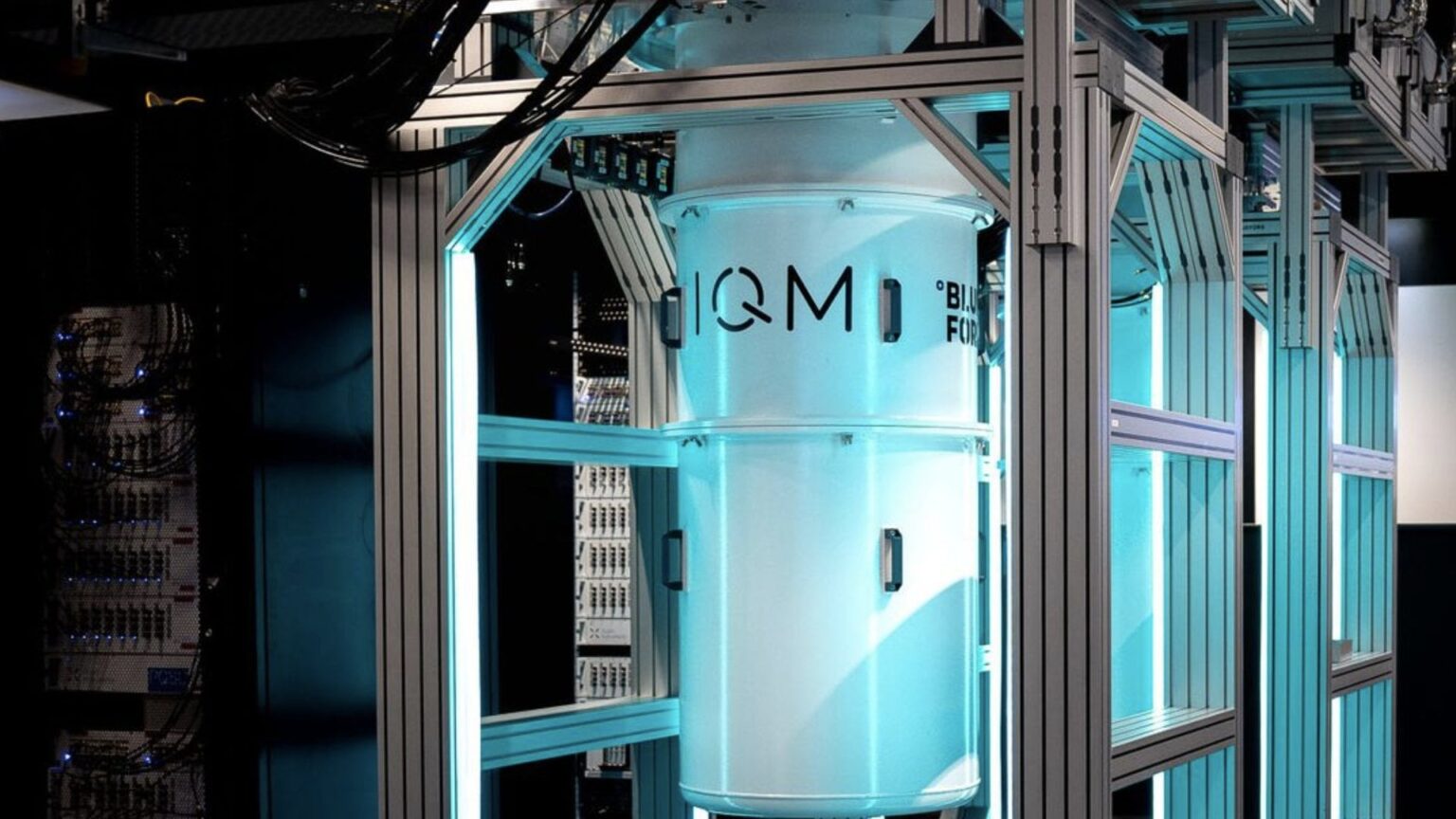
Prototype quantum processor hits record 99.9% qubit fidelity in a major milestone | The achievement marks a way toward “fault-tolerant” quantum computing.
https://interestingengineering.com/science/iqm-quantum-computers-record-low-error
1 Comment
From the article: A Finland-based firm that develops, builds and sells superconducting quantum computers, has achieved significant milestone and showcased improvements in two key metrics characterizing the quality of quantum computer.
IQM Quantum Computers achieved a record low error rate for two-qubit operations. It demonstrated a CZ gate between two qubits with (99.91 +- 0.02) % fidelity, which was validated by interleaved randomized benchmarking.
Achieving high two-qubit gate fidelity is the most fundamental and hardest to achieve characteristic of a quantum processor. It’s also essential for generating entangled states between qubits and executing algorithms, according to the company.
The achievement marks a way toward “fault-tolerant” quantum computing as it achieved record-low error rates in prototype quantum computer. It’s also expected to lead to the development of more stable quantum computers.
IQM maintains that qubit relaxation time T1 of 0.964 +- 0.092 milliseconds and dephasing time T2 echo of 1.155 +- 0.188 milliseconds was demonstrated on a planar transmon qubit on a silicon chip fabricated in IQM´s own fabrication facilities.
The coherence times, characterized by the relaxation time T1 and the dephasing time T2 echo, are among the key metrics for assessing the performance of a single qubit, as they indicate how long quantum information can be stored in a physical qubit, according to the company.