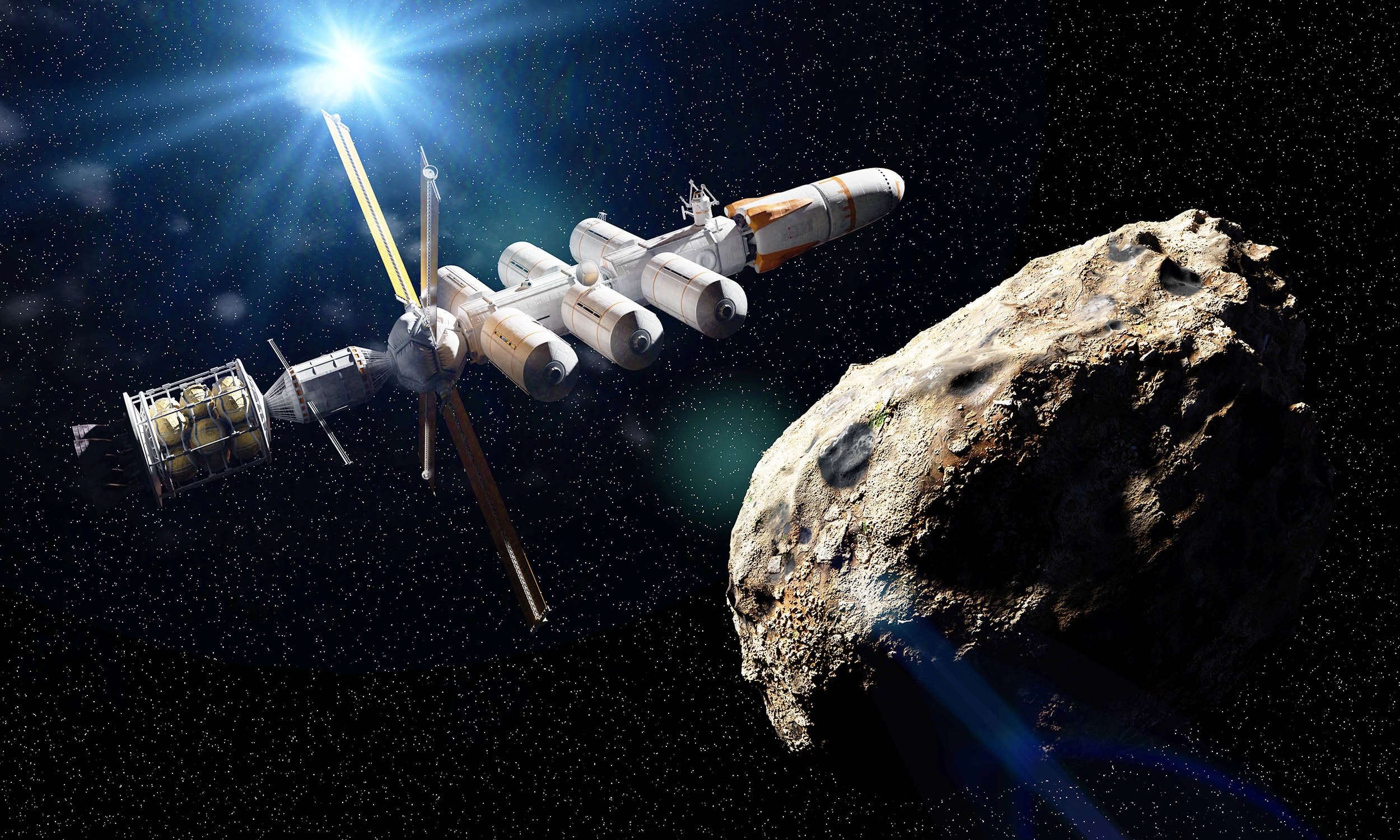
Spaceship thruster technology fueled by any type of metal could fly ‘indefinitely’
https://www.earth.com/news/spaceship-thruster-technology-fueled-by-any-type-of-metal-could-fly-indefinitely/

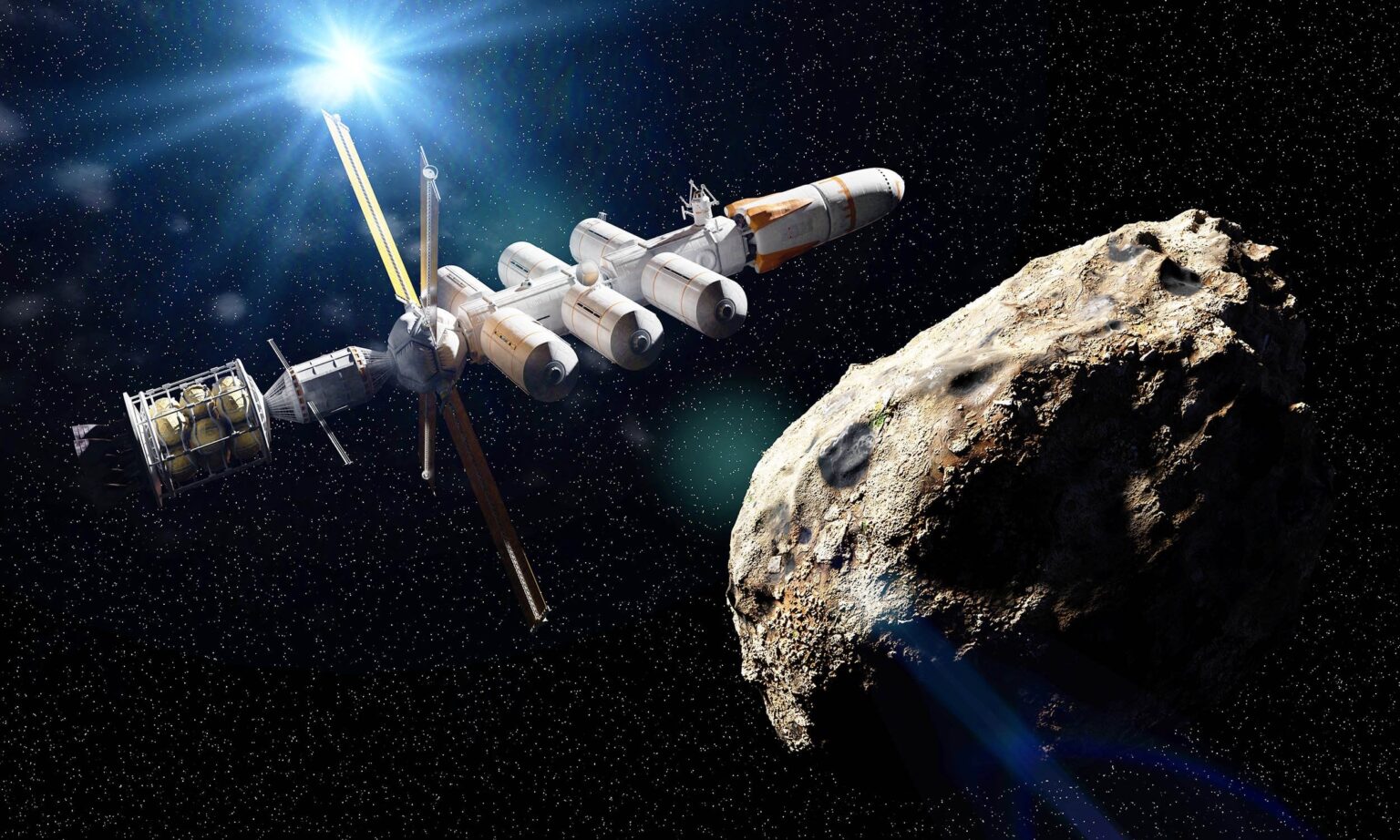
Spaceship thruster technology fueled by any type of metal could fly ‘indefinitely’
https://www.earth.com/news/spaceship-thruster-technology-fueled-by-any-type-of-metal-could-fly-indefinitely/
2 Comments
> With the help of the scientists at the University of Southampton, a new technology that uses metal-fueled thrusters could take spacecraft further than we’ve ever imagined. This innovative propulsion system boasts the power to propel spacecraft using any type of metal as a fuel source.
> The ramifications are fascinating. If a spacecraft is fitted with this kind of system, theoretically, it could fly without pause. How? By simply refueling from the abundance of minerals that are just waiting to be harvested from asteroids or distant moons.
> Imagine a future where spacecraft can land on a moon or comet, rich in these burnable metals, and extract what they need to refuel. At present, once spacecraft are launched and get past Earth’s atmosphere, they are mostly powered by rare gas phase fuels like krypton or xenon. One example of spacecraft using these types of fuels are the Starlink satellites.
> The scientists are collaborating with British space firm Magdrive on the development of this game-changing propulsion system, dubbed the Super Magdrive.
> Dr. Kim, whose commendable career includes the creation of a plasma thruster design for the SpaceX Falcon 9 rocket, is on an ambitious mission. His sights are set on the farthest regions of space, ones we previously thought were unreachable. The limitations of traditional fuel are no small hurdle.
> “Spacecraft have limited amounts of fuel because of the enormous cost and energy it takes to launch them into space. But these new thrusters are capable of being powered by any metal that can burn, such as iron, aluminum or copper,” Dr. Kim explained. He envisions this technology being utilized for future deep-space missions, quite possibly revolutionizing our approach towards space exploration.
Or, and hear me out. Engines powered by solid materials in a highly ordered repeating pattern. Like a sort of crystal. And since we know that lithium cell batteries are good, maybe if we find some of these crystals that were more energy dense, maybe like twice as dense, we could use those. These “di-lythium” crystals could power space craft up to and PAST the light speed barrier…