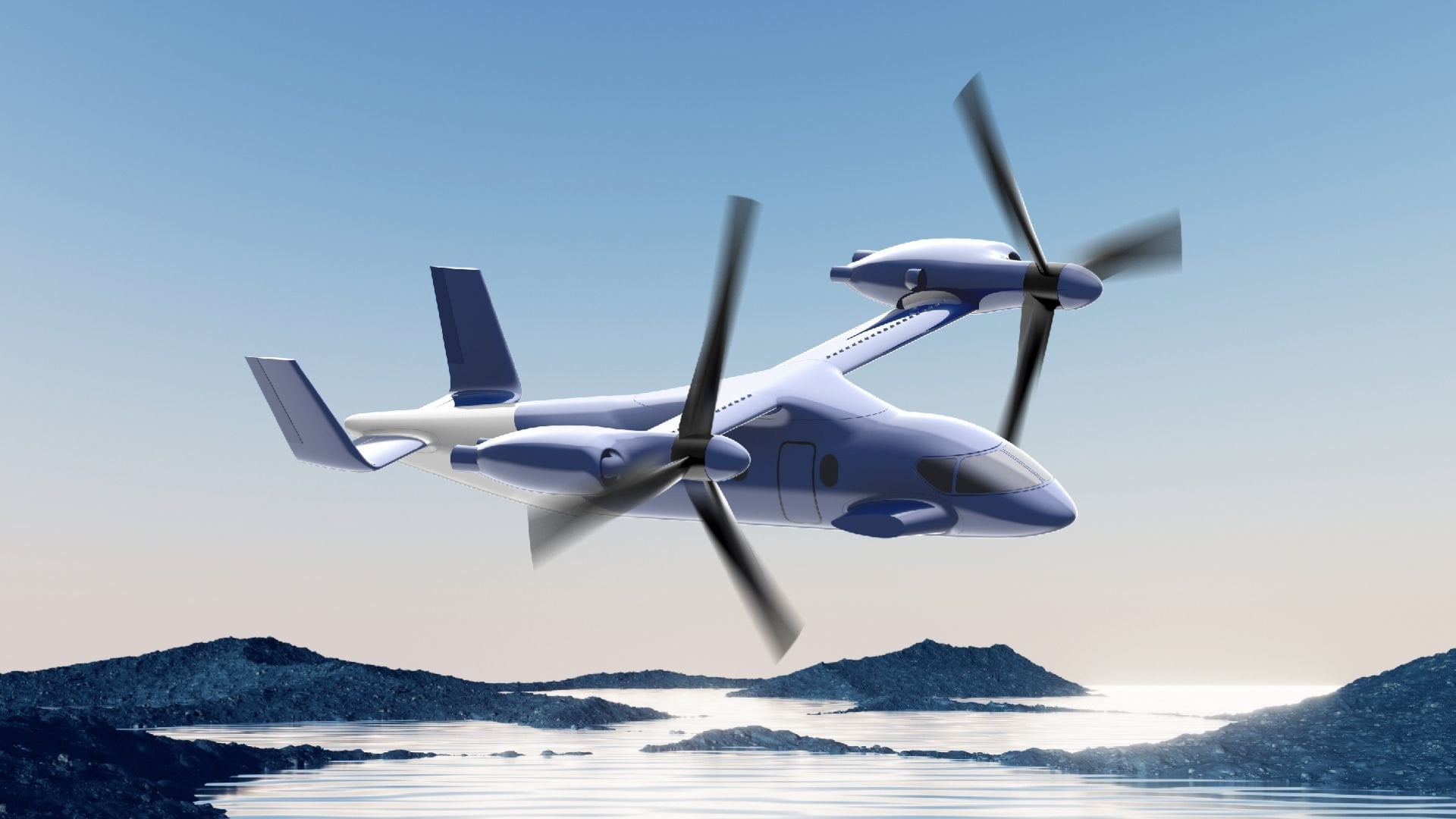
World’s 1st 6-ton pilotless tiltrotor aircraft revealed, 2,500-mile range at 340mph
https://interestingengineering.com/innovation/6-ton-pilotless-tiltrotor-aircraft

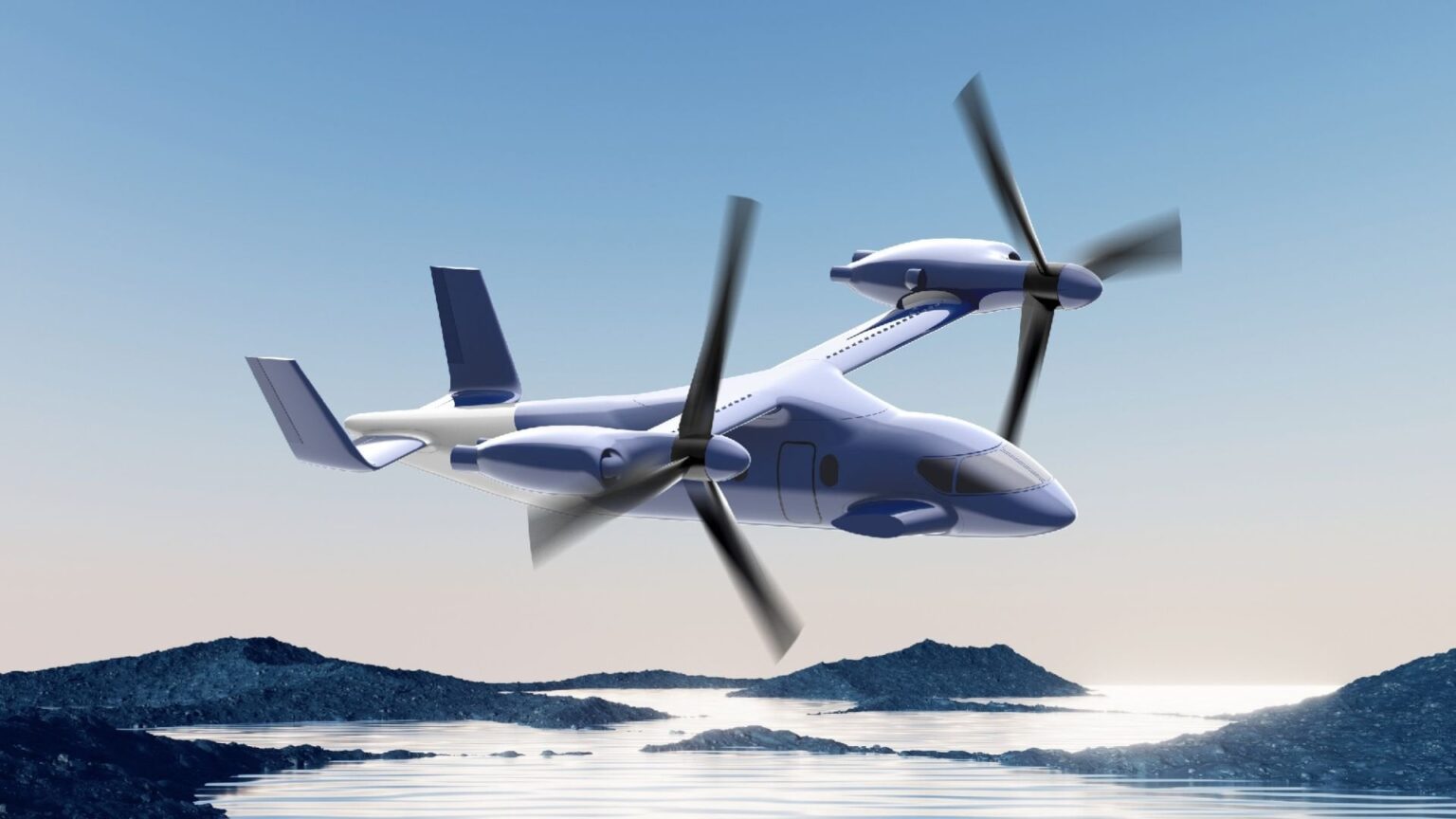
World’s 1st 6-ton pilotless tiltrotor aircraft revealed, 2,500-mile range at 340mph
https://interestingengineering.com/innovation/6-ton-pilotless-tiltrotor-aircraft
5 Comments
Lanying R6000’s maximum take-off weight (MTOW) is 6 tons, and its payload capacity is 2 tons.
The aircraft can carry up to 10 passengers and has a maximum range of 4,000 kilometers (2,500 miles).
The fastest cruising speed of the drone is 550 kilometers per hour (340 miles per hour), and the maximum cruising altitude is 7,620 meters.
Industry insiders said that after being put into practical application in the future, Lanying R6000 will profoundly change how humans travel and the logistics industry and strongly empower multiple fields such as transportation, logistics, emergency response, and national defense.
The Lanying R6000 can vertically take off, land, and hover in the air like ordinary helicopters. It has the advantage of high-speed cruising of fixed-wing aircraft because it adopts a complex and innovative tiltrotor configuration.
However, because of this, the Lanying R6000 is highly difficult to produce and has a low assembly error tolerance.
They say “pilotless”, but you know there will be one on board just in case.
Colour me skeptical. I don’t see the major change in operating cost or operating flexibility for this compared to regular aircraft/helicopters. It will still be subject to the same restrictions regarding takeoff and landing, and have the similar per mile cost. Most cargoes (human or freight) are not time sensitive enough to require this type of point-to-point transport.
US military has not been willing to expand the use of V-22 Osprey because they are expensive and maintenance heavy. Unless Chinese have somehow made a much more reliable tiltrotor this will be a niche vehicle, most likely mostly for military applications.
They should be forced to make their families as well as themselves fly in these for at least a few thousand hours before releasing such tech to the general public.
I can see some military applications, but not civilian or cargo. Having a pilot or two on board is not the main cost driver…