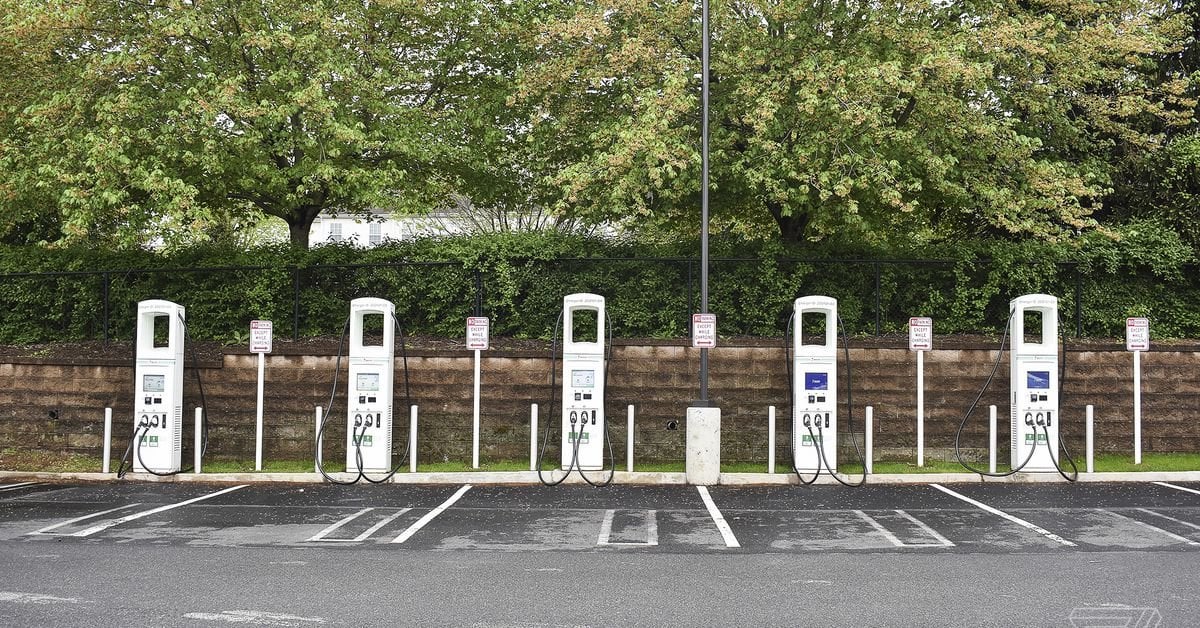
A universal ‘Plug and Charge’ protocol for EV charging is coming in 2025 | No more fobs, no more app signups. Just plug in and start charging.
https://www.theverge.com/2024/12/4/24312002/ev-plug-and-charge-universal-protocol-sae-pki-roaming

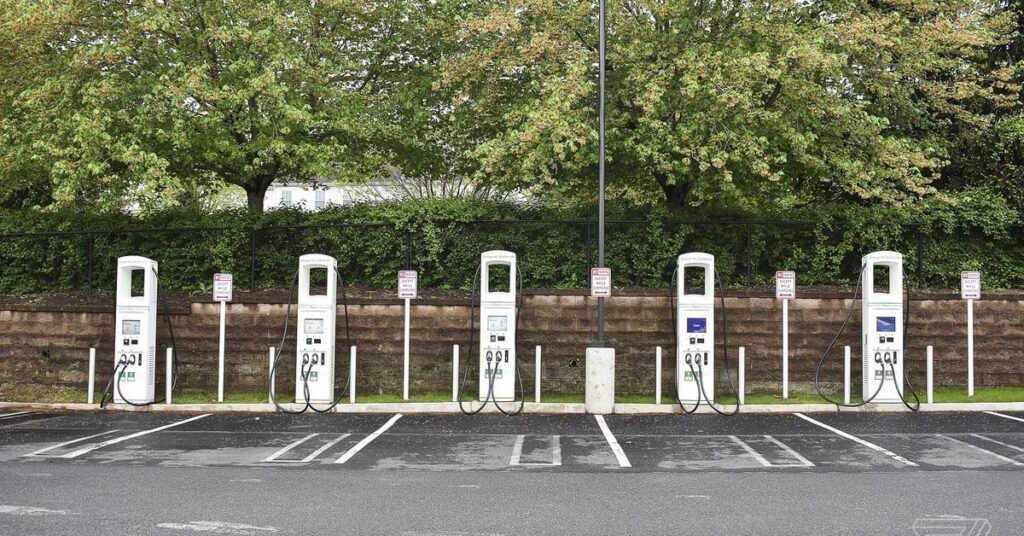
A universal ‘Plug and Charge’ protocol for EV charging is coming in 2025 | No more fobs, no more app signups. Just plug in and start charging.
https://www.theverge.com/2024/12/4/24312002/ev-plug-and-charge-universal-protocol-sae-pki-roaming
11 Comments
From the article: The fragmented and frustrating nature of our current EV charging landscape has been widely — and correctly — cited as one of the most significant barriers to EV adoption. Why buy a plug-in car when every time you plug it in, you have to sign up for another EV charging app, fumble through your payment information, authorize the account, and pray it results in a successful charging experience?
What if you could instead plug in and everything just worked automatically? That’s the goal of a partnership between nonprofit SAE International, a consortium of automakers and EV charging operators, and the Biden administration, which just announced a new framework for “universal Plug and Charge” that will be officially rolled out early next year.
“You just go anywhere you want, boom, you plug in, it accounts for everything in the cloud, charges your card, and you walk away,” said Gabe Klein, executive director of the Joint Office of Energy and Transportation.
“It’s a security solution for EV charging,” added Tim Weisenberger, project manager for emerging technologies standards at SAE International.
The framework aims to deliver a truly seamless and hassle-free charging experience in which every electric vehicle can plug into any public charger without any additional steps required from the vehicle owner.
This was the intention of the official international standard (ISO 15118), also called Plug & Charge, that enables automatic charging and payment as soon as the car is plugged in. In vehicles with Plug & Charge, the charger communicates securely with the vehicle and bills the owner without the need for app signups or additional billing information.
The technology is currently available in dozens of models but hasn’t been embraced universally. Tesla helped originate the Plug & Charge experience by making its Superchargers interoperable with its passenger vehicles from the very beginning. But Tesla is a unique example as both a vehicle manufacturer and EV charging operator.
Don’t you guys have contactless over there? I remember you were stuck on magnetic stripes and signatures for a while but I thought you’d finally progressed past that.
Yeah, I rented an EV in Texas over the holidays and had to use EVgo for the first time. They did have an option just to pay though which I thought was great but then they also had this whole app sign-up process which was confusing. My BMW i4 has something built in where they are doing deals with companies like charge points where you just plug-in go already.
Come on, we all know how this ends:
https://xkcd.com/927/
The protocol is coming in 2025. But it won’t be universally implemented. We will still be in this interoperability hell for 10 more years or longer.
About damn time. There is no good reason for charging an EV to be harder than using a gas pump.
Finally…
I would also love a standardized battery replacement method. Companies like NIO have modular batteries and battery swapping stations. If we push that to become the norm that could:
1. Greatly increase “charging” time. It takes less than 5 minutes and is fully automatic.
2. It would actually make recycling, refurbishing and re-using batteries feasible.
3. Would require significantly less infrastructure as those batteries could charge outside peak hours which would save a lot of money and stress on a already strained grid.
4. The batteries can function as a back-up for the grid during peak hours or in an emergency.
Big if true, so ofc this is false. Apps will be required to unlock L2 charging stations.
The great thing about standards is there’s so many different ones to choose from.
Now all you need to is get all the car manufacturers to sign up for it and not go and implement their own competing version of it… Im looking at you Tesla…
One of the things I do like about my Tesla Model 3 is the ability to just pull up to a fast charger, plug in and walk away. While I do most of my charging at home on my own level 2 (averages $30 a month) the charging network when doing a trip out of town is nice.
I did a 6000km road trip last through up/down the Westcoast and the navigation was super accurate. I just plotted my end destination in (my hotel for the next night) and any waypoints I wanted to visit, and it gave me exact directions, charging times and estimates.