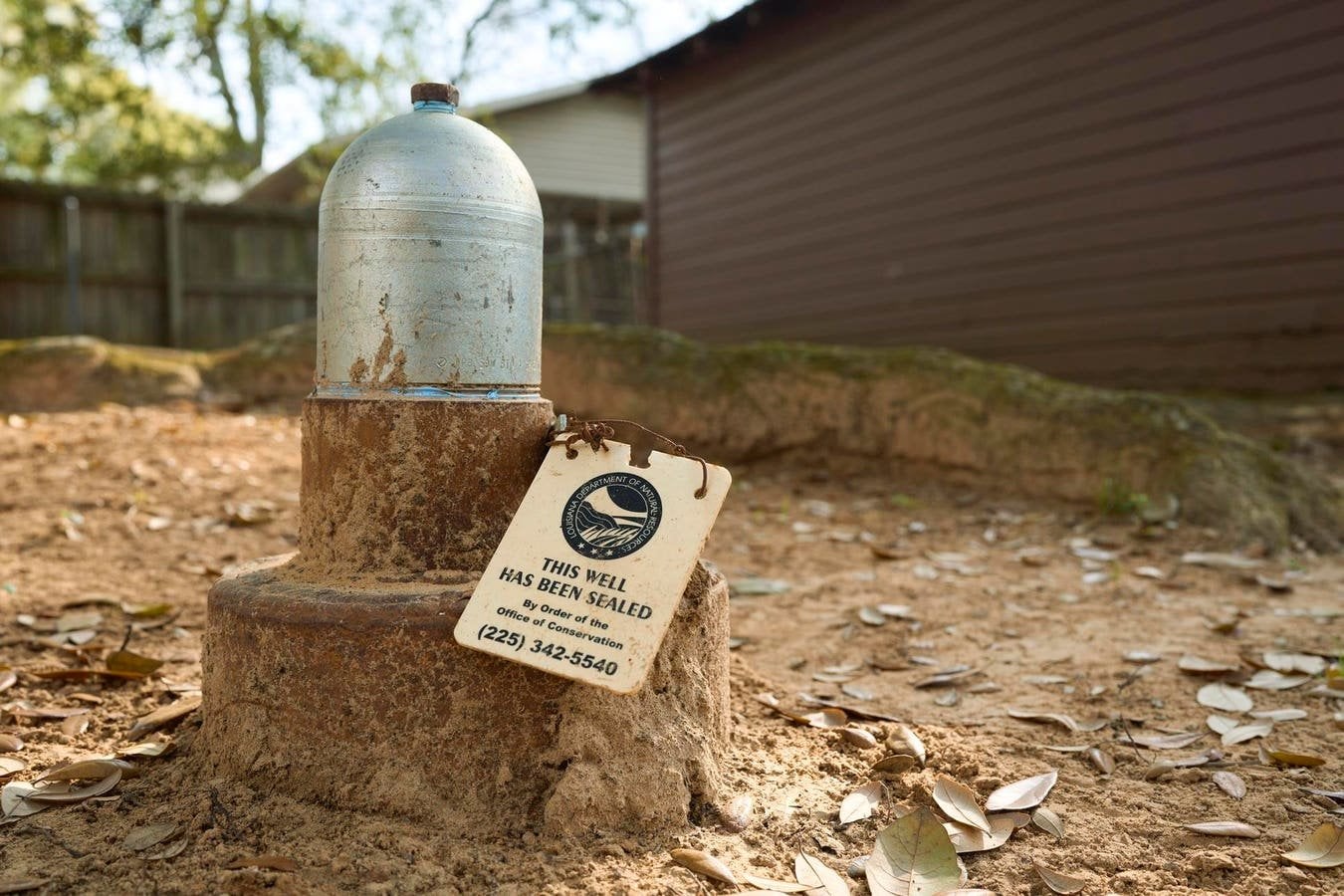
$4.7 billion is a drop in the barrel compared to cost of plugging millions of existing and future orphaned wells.
https://www.forbes.com/sites/andrewleahey/2025/01/07/towards-an-environmental-liability-tax-for-oil-and-gas-wells/

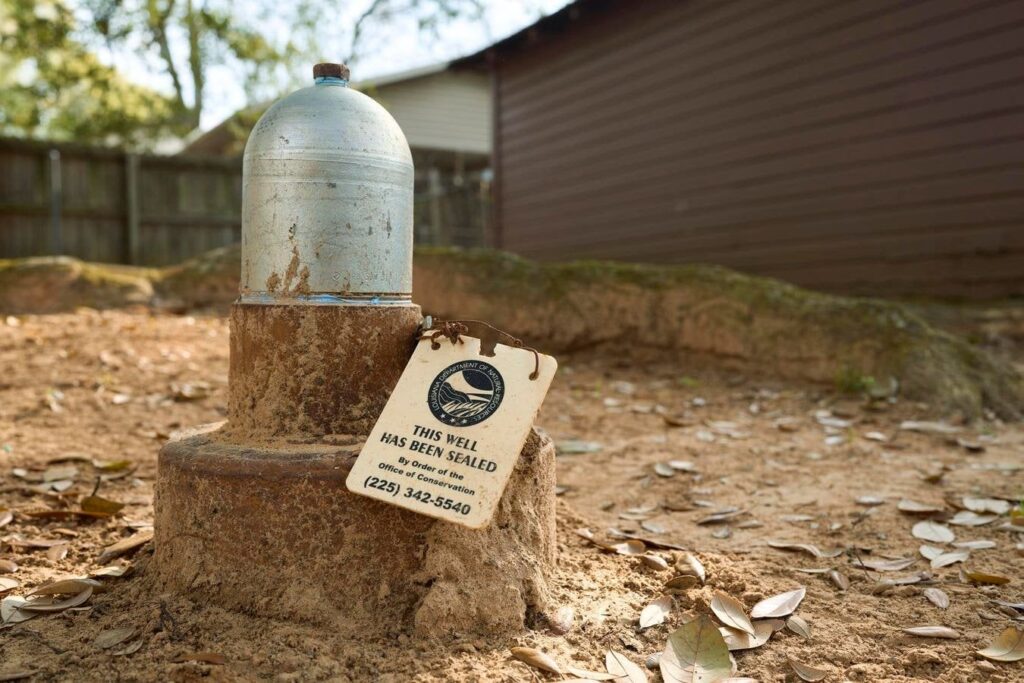
$4.7 billion is a drop in the barrel compared to cost of plugging millions of existing and future orphaned wells.
https://www.forbes.com/sites/andrewleahey/2025/01/07/towards-an-environmental-liability-tax-for-oil-and-gas-wells/
6 Comments
“Cleanup costs can range from tens of thousands to millions per well, depending on location and condition. The Bipartisan Infrastructure Law allocated $4.7 billion to address the issue, but the funding is a drop in the barrel compared to the potential cost of plugging millions of existing and future orphaned wells.
Without systemic reform, the orphaned well crisis will continue to drain public resources as oil reserves dwindle. As we approach peak oil, we’ll begin to face peak environmental mess—precisely when the industry, both writ large and at the individual entity level, will have the fewest resources to address it.”
Blame the politicians who waited way too long to come up with rulings that you only can drill a well if you secure the funds to close it properly when you stop using it. Put up huge fines for those who don’t and done. But nope everybody could slam wells in the ground, put a cap over it in the end and bye bye.
I love that the picture is of a well in “Oil City” and the image is owned by “Getty Images.”
This is a huge problem in Canada as well. Some provinces have funds that active oil and gas companies have to pay into. Those funds go towards cleaning up orphaned wells.
Issue is that the oil and gas companies also get say into how the money is spent and how cheap it should be done for. They shouldn’t get any input at all, it should be considered a cost of operating.
More externalized costs from the petroleum industry which the rest of us pay for.
There aren’t even 1 million producing wells in the USA, so this is obviously a biased article.
Besides, the federal government shouldn’t be paying any of the cost. They already subsidized the oil industry enough.