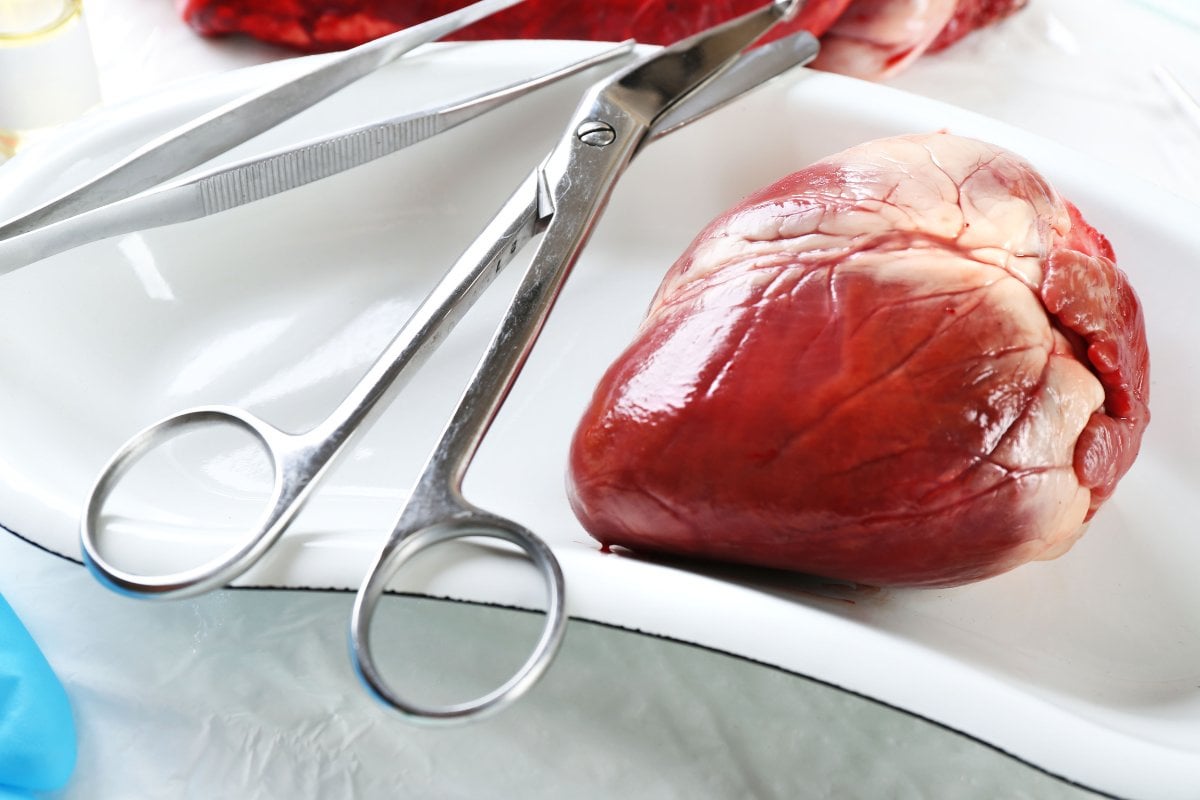
Next generation of heart regenerative therapies
https://medtigo.com/news/cardiomyocyte-implantation-for-heart-failure-advances-in-engineered-heart-muscle-development/

Next generation of heart regenerative therapies
https://medtigo.com/news/cardiomyocyte-implantation-for-heart-failure-advances-in-engineered-heart-muscle-development/
1 Comment
Technological developments in myocardial remuscularization and cardiomyocyte implantation have encouraging prospects for treating heart failure. The utilization of iPS cells to produce functioning cardiomyocytes and stromal cells is a major advancement, despite ongoing obstacles such as immunological barriers and long-term engraftment. More efficient regeneration therapies may result from the enhanced cardiac cell types produced by the ABCF-CRAB-VCF and ABCF+I regimens. To guarantee the scalability and therapeutic effectiveness in people, more investigation is required into the integration and long-term operation of modified cardiac muscle in live beings.