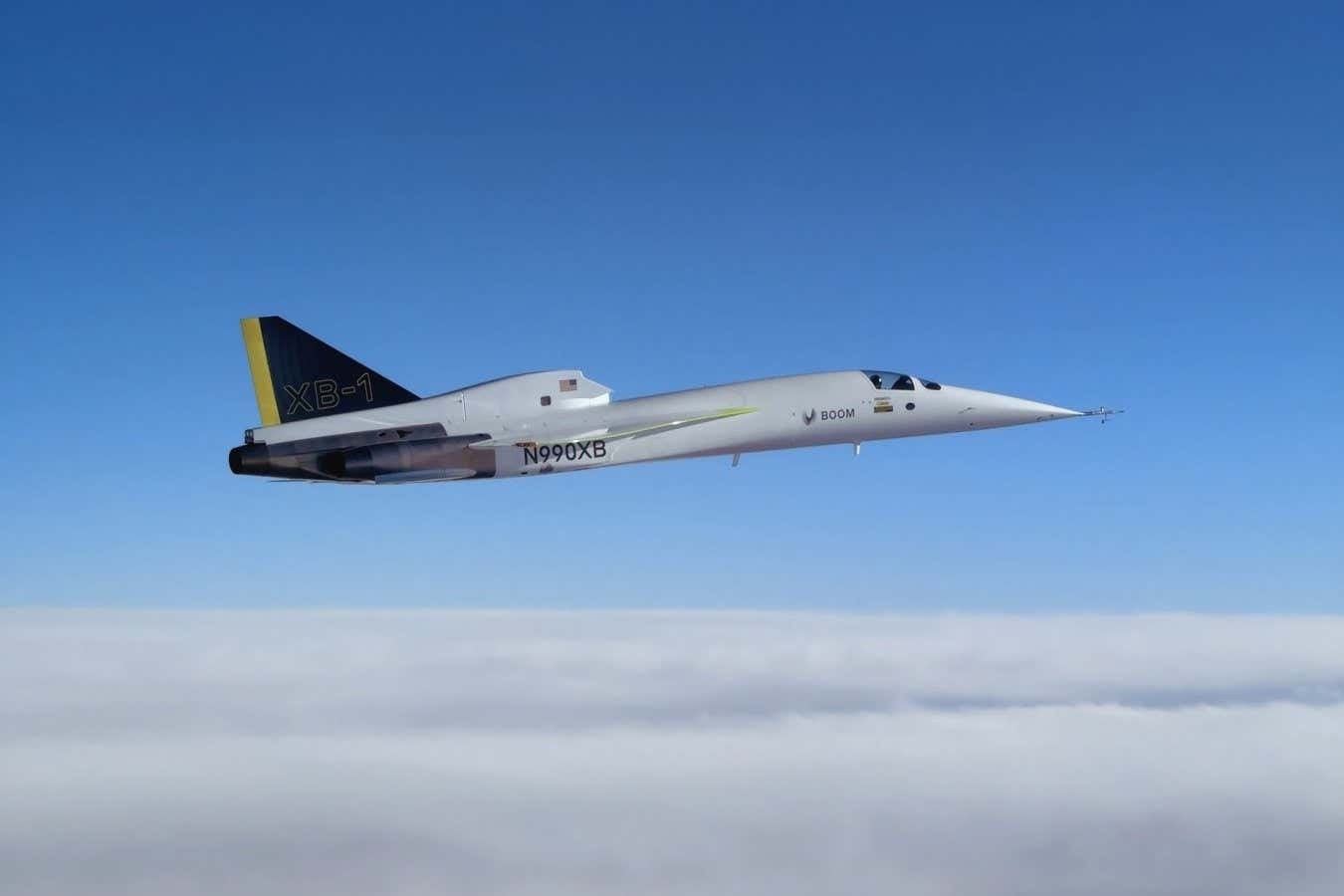
How the XB-1 aircraft went supersonic without a sonic boom
https://www.newscientist.com/article/2467745-how-the-xb-1-aircraft-went-supersonic-without-a-sonic-boom/

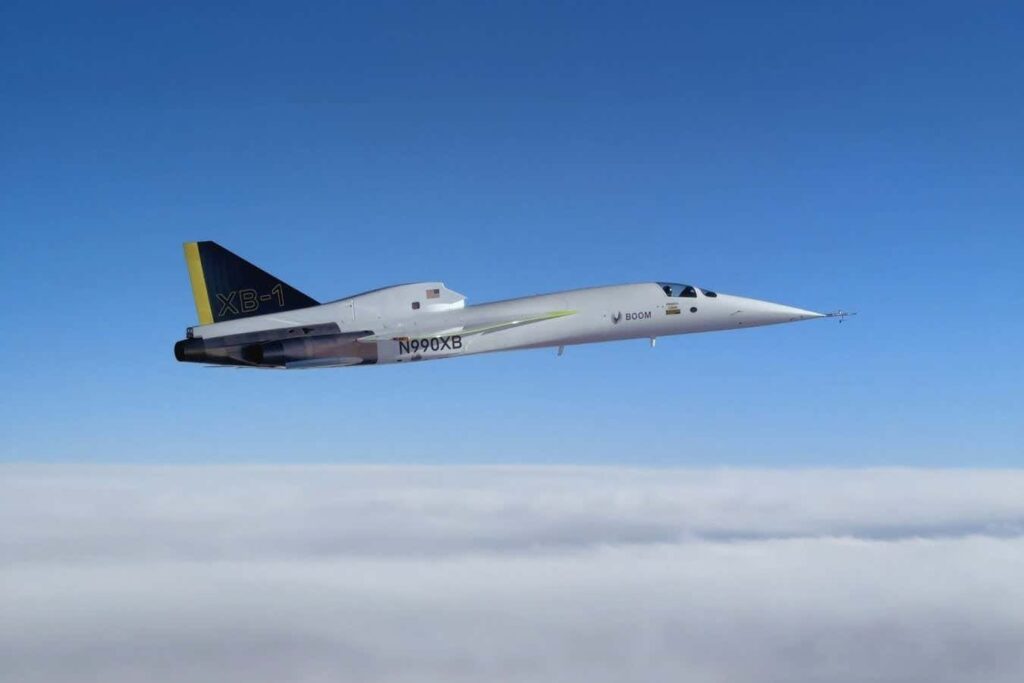
How the XB-1 aircraft went supersonic without a sonic boom
https://www.newscientist.com/article/2467745-how-the-xb-1-aircraft-went-supersonic-without-a-sonic-boom/
5 Comments
Sonic booms over land are so disruptive that they contributed to the retirement of the [fabled commercial airliner Concorde](https://www.newscientist.com/article/2121765-9-quotes-that-tell-the-dramatic-story-of-supersonic-flight/) in 2003 and spurred many countries to prohibit commercial supersonic aircraft. Since then, aerospace engineers have been trying to develop aircraft designs that can go supersonic without the accompanying boom.
Relevant Info: This only works in low supersonic speeds up to Mach 1,3
The title is somewhat misleading – the aircraft did create a sonic boom, but it didn’t reach the ground.
From the article: “In this case, the XB-1 took advantage of a physics phenomenon called the Mach cutoff. Because sound moves more slowly at higher altitudes, an aircraft breaching the sound barrier at those heights will produce a boom that cannot reach the ground – if the boom moves downward, the increasing speed of sound will deflect it, pushing its shock waves upward instead.”
So with precise weather modeling and machine learning, they can nearly suppress the boom at ground level up to Mach 1.3. Maybe useful for overland flights?
Really needed for their business case anyway, since not all routes can be over water at 1.7M. This could unlock Berlin-NYC flights, intra-US routes and most of Asia.
Unclear how reliable the suppression will be, though.
How much of a payload can this item carry? I’ll bet it is much less than an ancient B-52. Furthermore, why are we throwing money on projects that may have solved a problem four or five wars ago?