This Plant-Based Compound Could Be a Powerful New Weapon Against Deadly Brain Cancer
https://gizmodo.com/this-plant-based-compound-could-be-a-powerful-new-weapon-against-deadly-brain-cancer-2000569728

This Plant-Based Compound Could Be a Powerful New Weapon Against Deadly Brain Cancer
https://gizmodo.com/this-plant-based-compound-could-be-a-powerful-new-weapon-against-deadly-brain-cancer-2000569728
2 Comments
Submission Statement:
Glioblastoma is the deadliest form of brain cancer. Patients diagnosed with glioblastoma have a median survival time of 15 to 18 months, and standard treatments have remained largely unchanged for two decades: surgery, chemotherapy, and radiation. A recent study, however, claims to have discovered a potential new therapy with a unique approach.
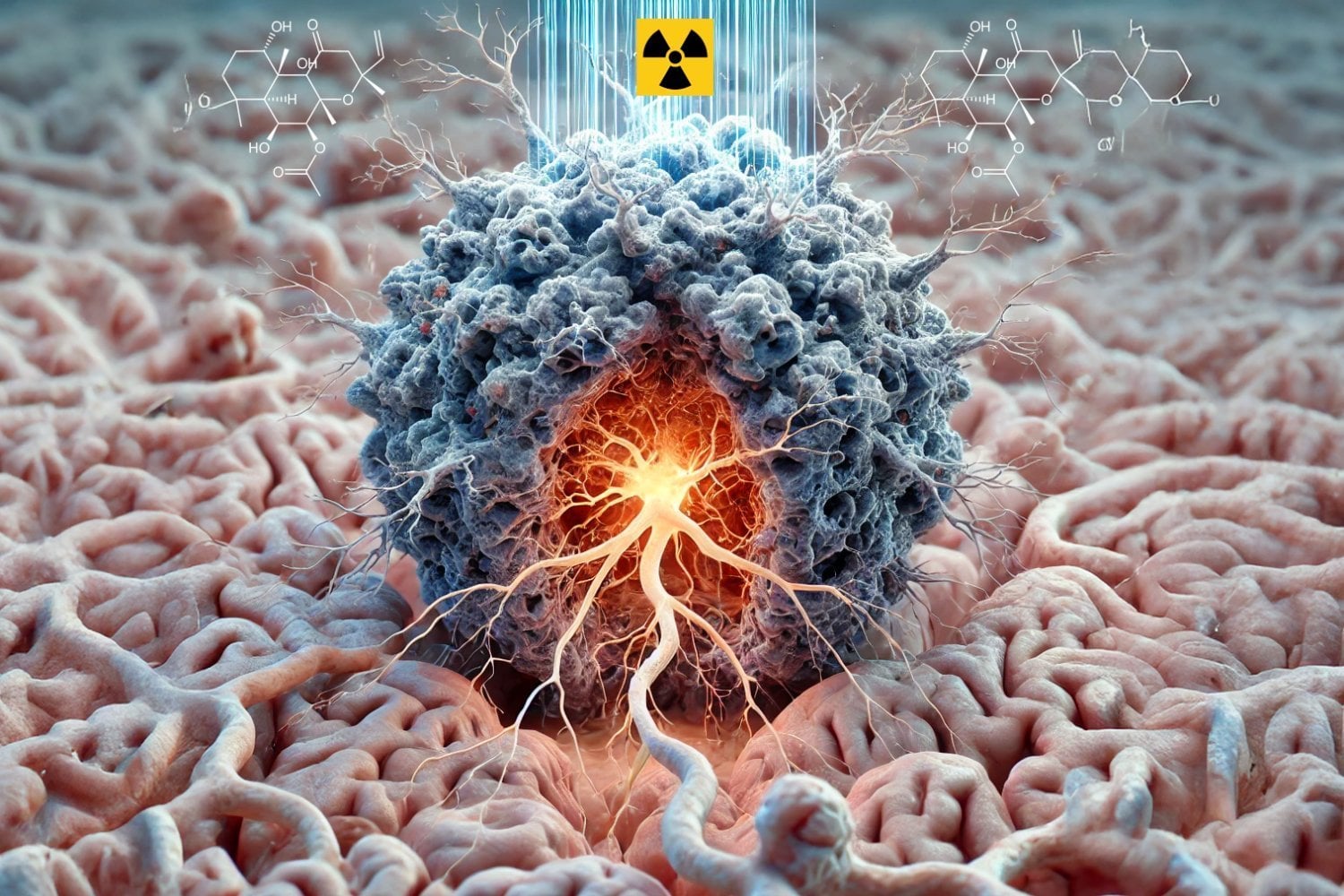
Researchers in Los Angeles have developed a way to force glioblastoma cells into a harmless, non-dividing state by combining radiation therapy with forskolin, a natural product derived from a plant related to mint. As detailed in a study published February 26 in the journal PNAS, laboratory mice with glioblastoma lived longer after being treated with the novel approach, paving the way for a potential future treatment.
Glioblastoma is aggressive because its cancer cells divide uncontrollably and can resist treatment or recur after therapy. Additionally, the blood-brain barrier—a semipermeable membrane that separates blood from cerebrospinal fluid—impairs the effectiveness of cancer therapies. However, previous research has demonstrated that, in addition to eliminating certain glioblastoma cells, radiation appears to briefly make glioma stem cells—a type of glioblastoma cell associated with tumor growth and treatment resistance—changeable, according to the study.
“Radiation therapy, while effective in killing many cancer cells, also induces a temporary state of cellular flexibility,” Frank Pajonk, an oncologist at the University of California, Los Angeles (UCLA) and senior author on the study, said in a UCLA statement. “We found a way to exploit this flexibility by using forskolin to push these cells into a nondividing, neuron-like or microglia-like state.” Microglia are a type of immune cells in the central nervous system.
I personally watched my sister die from this type of brain cancer. The amount of pain and suffering she went through was heart breaking. She lasted 10 months.