Water mining on the moon may be easier than expected, India’s Chandrayaan-3 lander finds
https://www.space.com/the-universe/moon/water-mining-on-the-moon-may-be-easier-than-expected-indias-chandrayaan-3-lander-finds

Water mining on the moon may be easier than expected, India’s Chandrayaan-3 lander finds
https://www.space.com/the-universe/moon/water-mining-on-the-moon-may-be-easier-than-expected-indias-chandrayaan-3-lander-finds
1 Comment
From the article
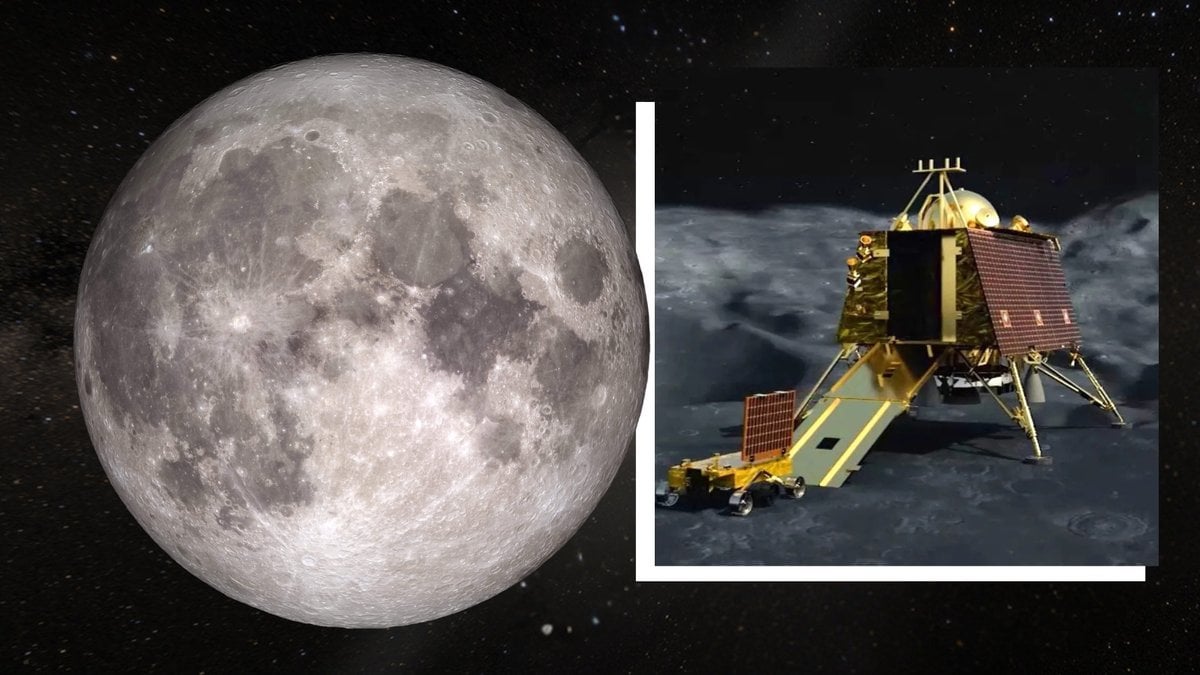
A team of scientists led by Durga Prasad of the Physical Research Laboratory in Ahmedabad analyzed lunar temperature data collected on site by India’s [Chandrayaan-3](https://www.space.com/chandrayaan-3-indian-moon-mission-rover) mission, which landed near the [moon’s south pole](https://www.space.com/chandrayaan-3-moon-south-pole-why-nasa-wants-to-go-too) in August 2023. The researchers found that temperatures at the spacecraft’s landing site fluctuated dramatically, even among areas that are very close to each other.
To better understand these temperature swings, the researchers plugged this data into a computer model they fine-tuned to match the spacecraft’s landing conditions, including local topography and illumination. The results suggest higher latitudes on the moon with slopes that face its poles share conditions similar to those at Chandrayaan-3’s landing site. These regions typically receive less intense [solar energy](https://www.space.com/3812-solar-power-space-strategy-america-world.html), which leads to cooler surface temperatures that could allow for the accumulation of ice at relatively shallow depths. This means such lunar areas would present fewer technical challenges for accessing local resources compared to the more extreme conditions at the moon’s crater-riddled poles, the researchers say.
The findings hold significance for agencies planning long-term crewed missions to the moon’s south pole, such as NASA with its [Artemis program](https://www.space.com/artemis-program.html). If ice can be found and harnessed on the moon, it could reduce astronauts’ reliance on Earth-based supplies, making missions more sustainable and cost-effective. Water extracted from ice could serve multiple purposes for astronauts, not only as drinking water but also for producing rocket fuel by splitting water molecules into their constituent parts — oxygen and hydrogen.