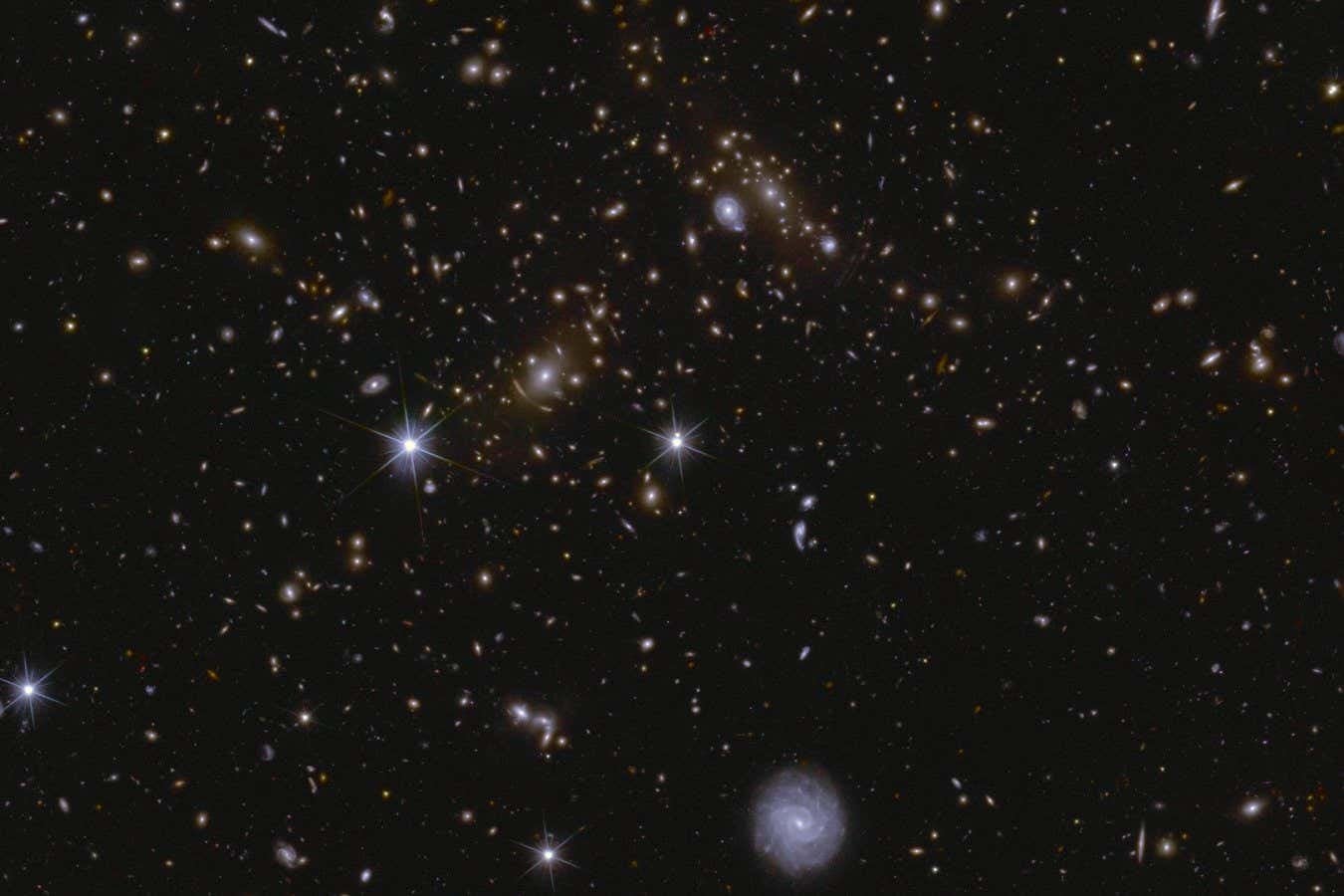
Euclid space telescope captures 26 million galaxies in first data drop
https://www.newscientist.com/article/2471894-euclid-space-telescope-captures-26-million-galaxies-in-first-data-drop/

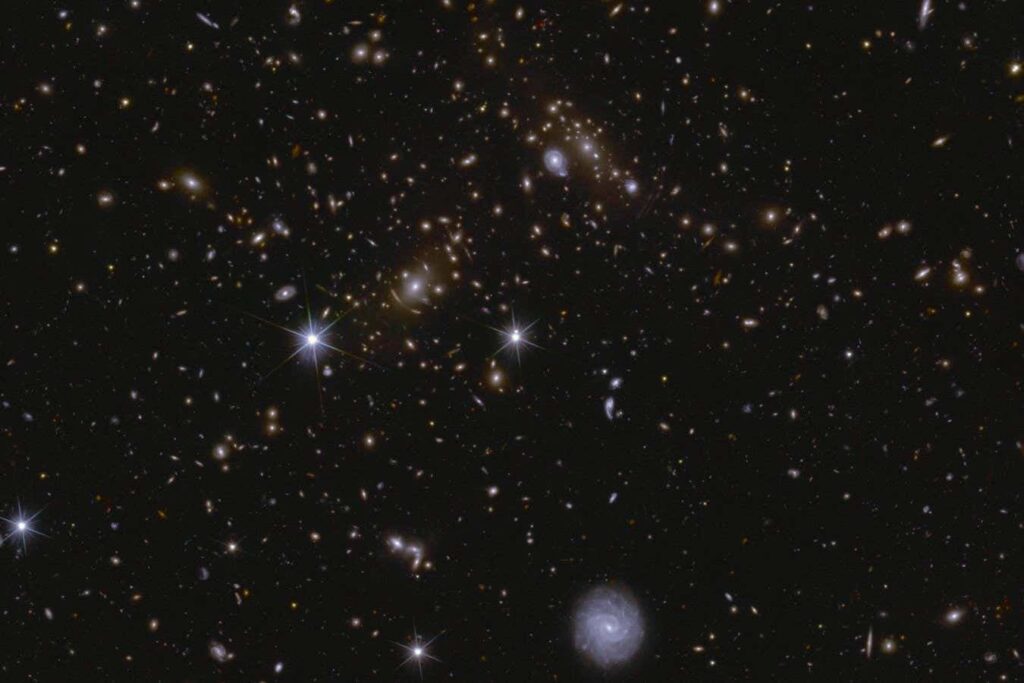
Euclid space telescope captures 26 million galaxies in first data drop
https://www.newscientist.com/article/2471894-euclid-space-telescope-captures-26-million-galaxies-in-first-data-drop/
3 Comments
If you use the estimate of 100 billion stars in a galaxy on average, that gives you roughly:
2,600,000,000,000,000,000
Stars represented in the data drop. And if each star has a few planets, how many opportunities for life are represented here? Absolutely mind blowing if you ask me.
absolutely mind boggling, all those little points of light are galaxies (except for those few foreground stars (stupid foreground stars) and within those little points of light are billions of individual stars, many which may have planets. unfathomable
Excited to see the Roman telescope work with Euclid soon, hopefully this data will provide some good targets for Roman to follow up on!