
Scientists Just Found a Way to Turn Sewage into Protein and Green Hydrogen | This new method of converting sewage sludge cuts CO2 emissions by 99.5% compared to conventional methods.
https://www.zmescience.com/science/news-science/scientists-just-found-a-way-to-turn-sewage-into-protein-and-green-hydrogen/
1 Comment
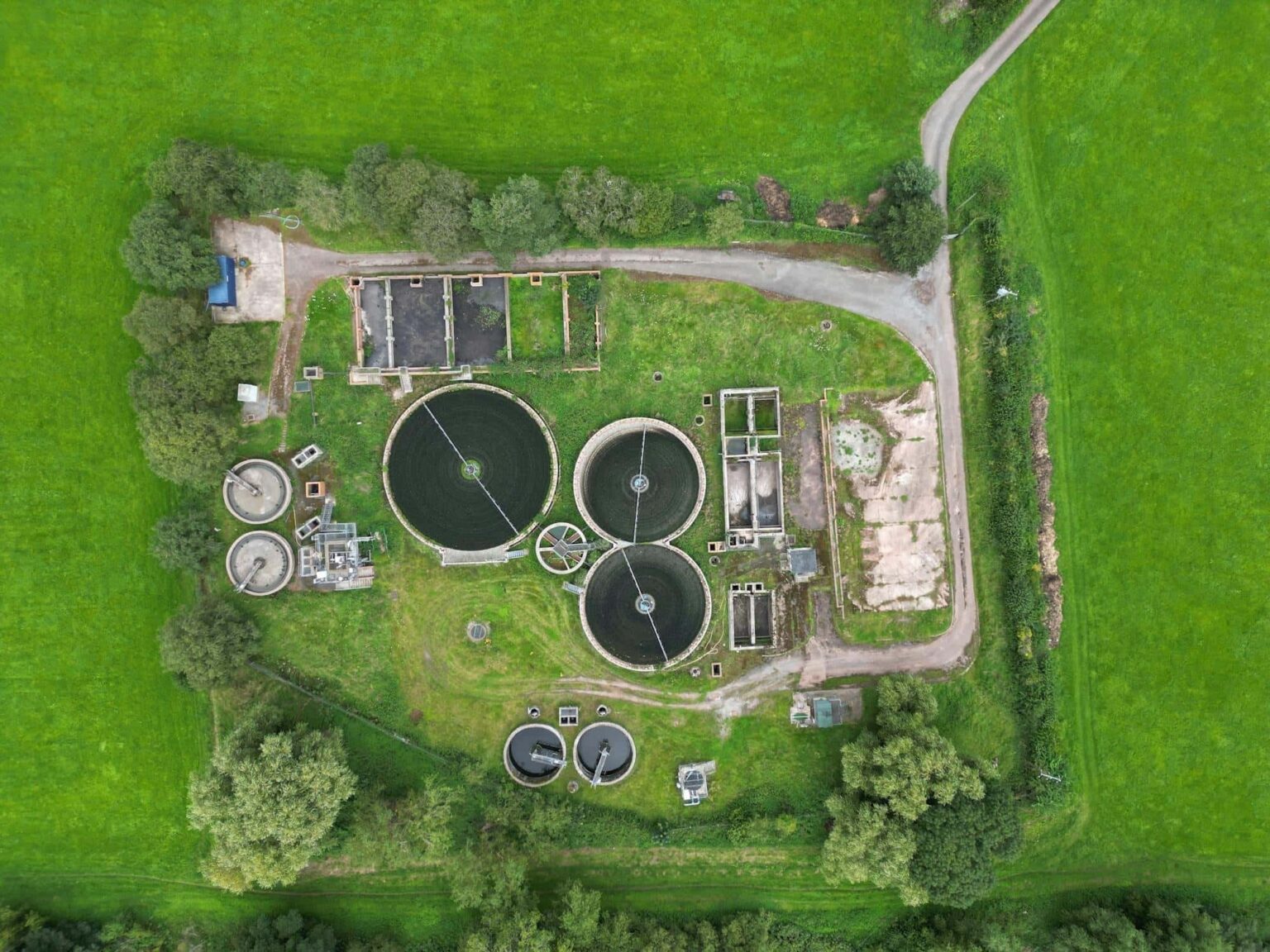
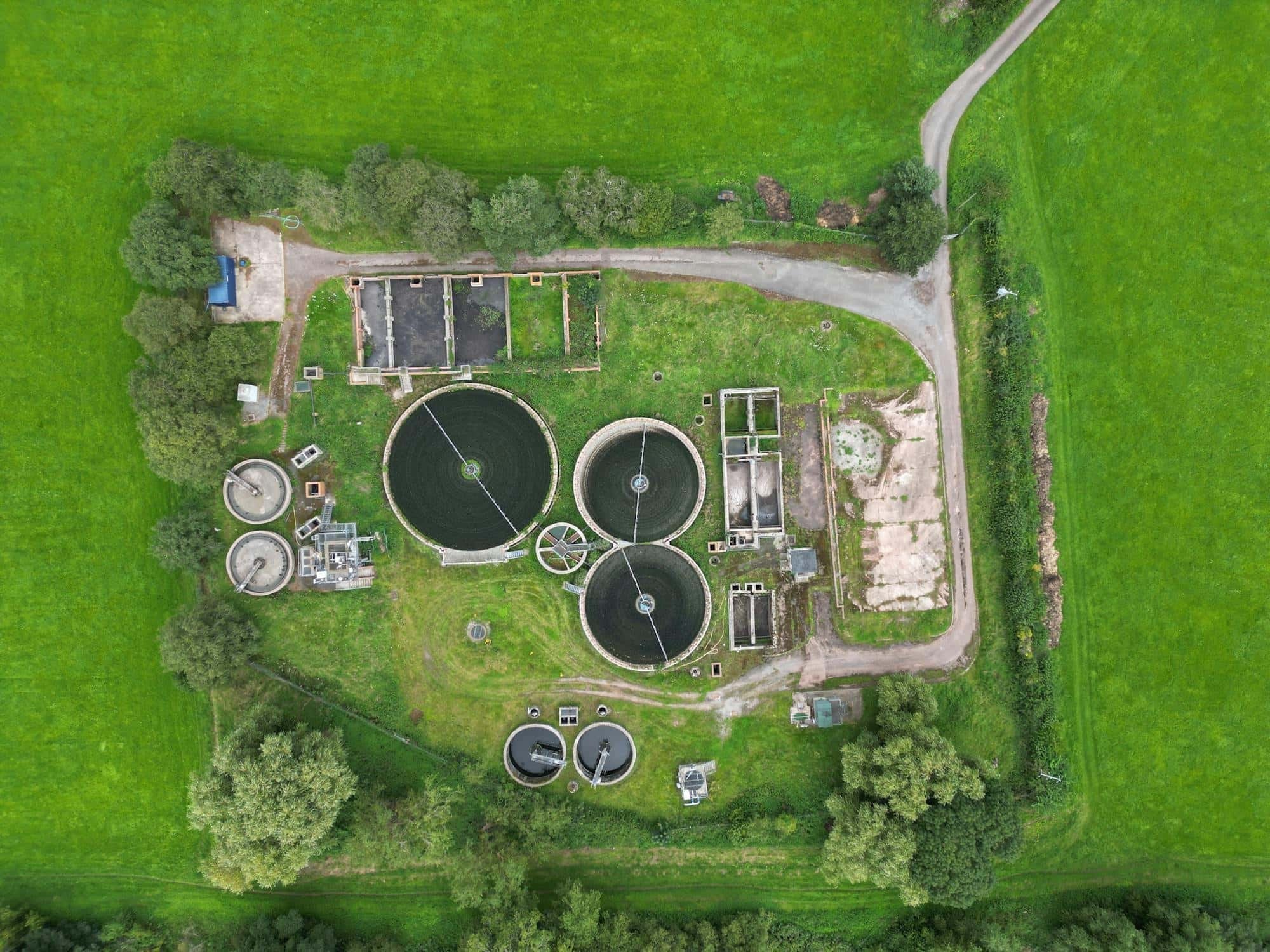
From the article: Waste is everywhere. All the cities in the world invariably produce sewage sludge — the thick, organic mess left over from wastewater treatment. This sludge is piling up faster than ever. More than 100 million tons of this dry sludge accumulate globally every year, clogging treatment facilities and costing billions to process.
But what if this waste wasn’t just waste? What if it could be food or fuel? Scientists have just developed a system that does exactly that. In a breakthrough study published in [Nature Water](https://www.nature.com/articles/s44221-024-00329-z), researchers have created a solar-powered process that turns sewage sludge into two valuable resources: single-cell protein, which can be used as animal feed, and green hydrogen, a clean fuel.
We’re not talking about finding actual gold in sludge (though that’s also a worthwhile idea), but about turning sludge into something useful.
Yes, sewage sludge, the sticky, smelly byproduct of wastewater treatment plants is packed with useful things. It has organic matter, nutrients like nitrogen and phosphorus, and a mix of heavy metals. Currently, this causes a problem: it’s too thick to break down quickly and too contaminated to use easily. Burning it releases toxic chemicals, and composting it takes ages.
This is why the new study comes in so clutch. The team of researchers led by Nanyang Technological University in Singapore figured out a way to take sewage sludge and break it down into useful components with almost zero waste. It’s not a simple process, it uses a combination of mechanical grinding, electrochemical reactions, and bacteria; but with this approach they recover nearly all of the carbon and nutrients, transforming them into valuable products.