Glacier melt threatens water supplies for two billion people, UN warns
Glacier melt threatens water supplies for two billion people, UN warns

Glacier melt threatens water supplies for two billion people, UN warns
Glacier melt threatens water supplies for two billion people, UN warns
3 Comments
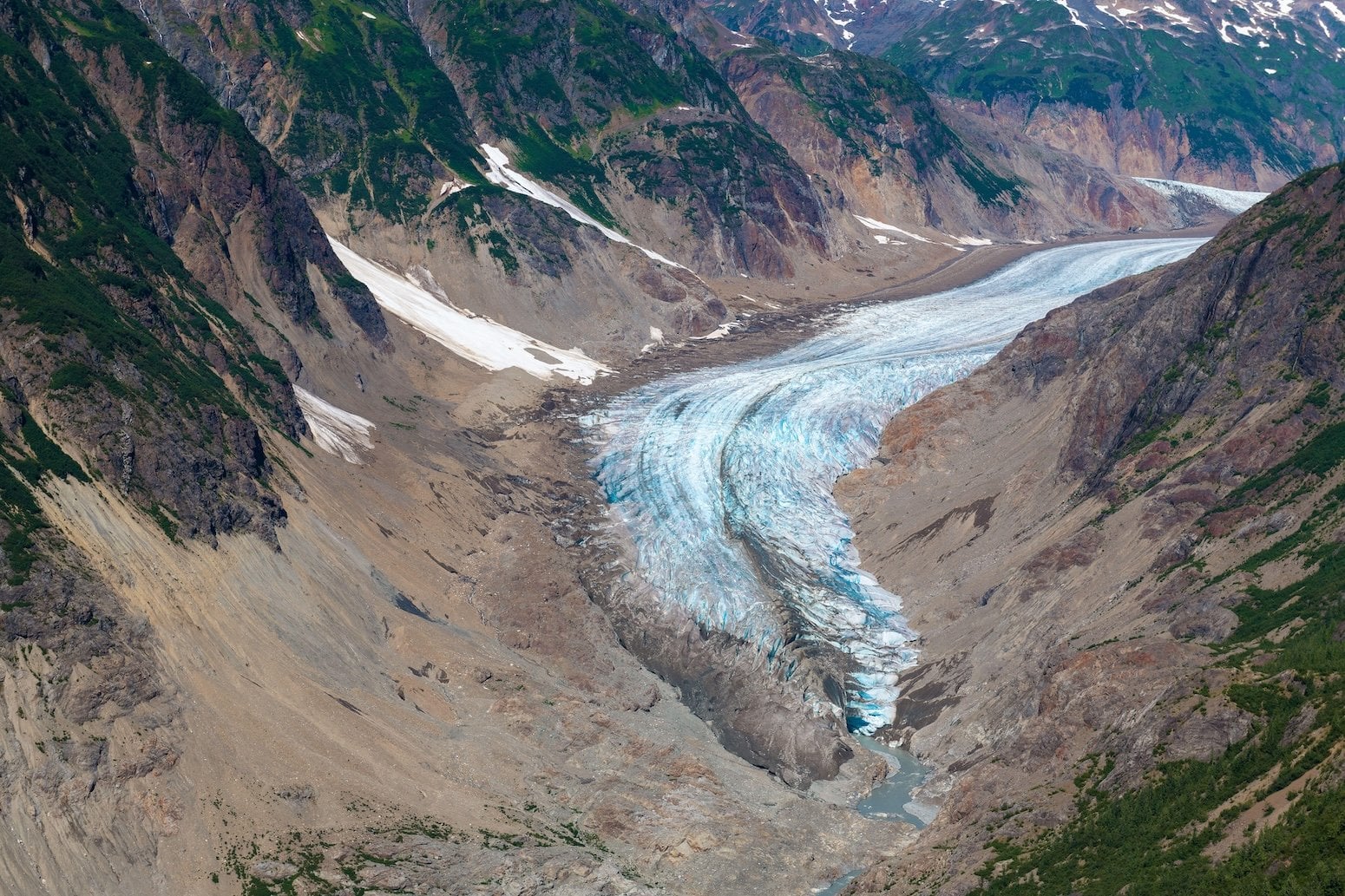
Climate change and “unsustainable human activities” are driving “unprecedented changes” to mountains and glaciers, threatening access to fresh water for more than two billion people, a UN report warns.
The 2025 UN world water development [report](https://www.unwater.org/publications/un-world-water-development-report-2025) finds that receding snow and ice cover in mountain regions could have “severe” consequences for people and nature.
Up to 60% of the world’s freshwater originates in mountain regions, which are home to 1.1bn people and 85% of species of birds, amphibians and mammals.
The report highlights a wide range of impacts, including reduced water for drinking and agriculture, stress on local ecosystems and increased risk of “devastating” [glacial lake outburst floods](https://www.carbonbrief.org/catastrophic-2023-lake-outburst-in-india-driven-by-glacial-melt-and-permafrost-thaw/) (GLOFs).
It also notes the deep spiritual and cultural connections that mountain-dwelling communities around the world have with mountains and glaciers, from India’s Hindu Kush Himalaya to Colombia’s Sierra Nevada de Santa Marta.
One expert tells Carbon Brief that glacier loss is already causing “loss of life, loss of livelihood and most importantly of all, the loss of a place that many communities have called home for generations”.
The report showcases a range of adaptation responses that communities are already implementing, including changing farming practices, producing better water storage systems and improving early warning systems for floods and landslides.
It also stresses the need for further funding and adaptation, as well as the importance of Indigenous knowledge and international collaboration.
yeah so? we’ve known this was gonna happen since the 60’s, isn’t this what we want?
It’s almost like the Earth is trying to fight back.