New CRISPR tool enables more seamless gene editing — and improved disease modeling
https://news.yale.edu/2025/03/20/new-crispr-tool-enables-more-seamless-gene-editing-and-improved-disease-modeling

New CRISPR tool enables more seamless gene editing — and improved disease modeling
https://news.yale.edu/2025/03/20/new-crispr-tool-enables-more-seamless-gene-editing-and-improved-disease-modeling
5 Comments
Submission Statement:
Advances in the gene-editing technology known as CRISPR-Cas9 over the past 15 years have yielded important new insights into the roles that specific genes play in many diseases. But to date this technology — which allows scientists to use a “guide” RNA to modify DNA sequences and evaluate the effects — is able to target, delete, replace, or modify only single gene sequences with a single guide RNA and has limited ability to assess multiple genetic changes simultaneously.
Now, however, Yale scientists have developed a series of sophisticated mouse models using CRISPR (“clustered regularly interspaced short palindromic repeats”) technology that allows them to simultaneously assess genetic interactions on a host of immunological responses to multiple diseases, including cancer.
The findings were published March 20 in the journal Nature Biomedical Engineering.
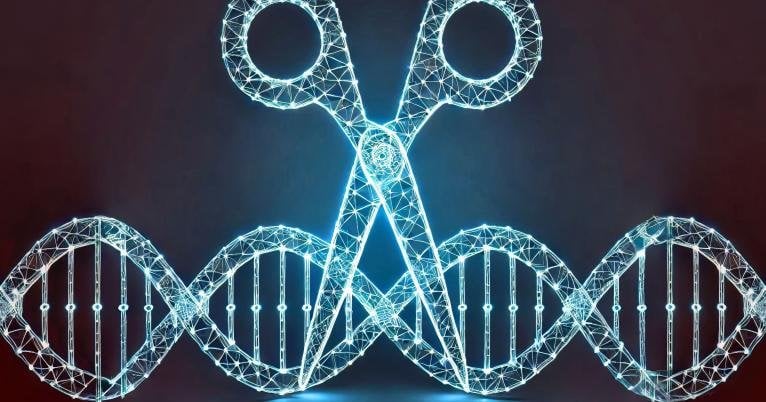
Gene editing technologies allow scientists to use enzymes — in this case, Cas9 (CRISPR-associated protein 9) — as a sort of molecular scissors that can precisely cut or modify portions of DNA or RNA, revealing insights into the role these genes play in a variety of disorders.
The new tool, which is called CRISPR-Cas12a, can help researchers simultaneously assess the impact of multiple genetic changes involved in variety of immune system responses, the researchers say.
Wish i could afford a crispr kit, pretty neat stuff people are doing with it.
https://youtube.com/shorts/62JQBP7Z-qI?si=8NQT0lN3ydMq-QNy
https://youtube.com/shorts/62JQBP7Z-qI?si=8NQT0lN3ydMq-QNy
I keep seeing enhancements in crispr models; but the last time I have seen any new FDA approved treatments was for sickle cell disease, and the crispr treatment for sickle cell disease is really intense (ie chemo therapy). I think Crispr has so much potential, and im glad to see progress like this, but I really hope we start seeing real cures with less intense treatment options.