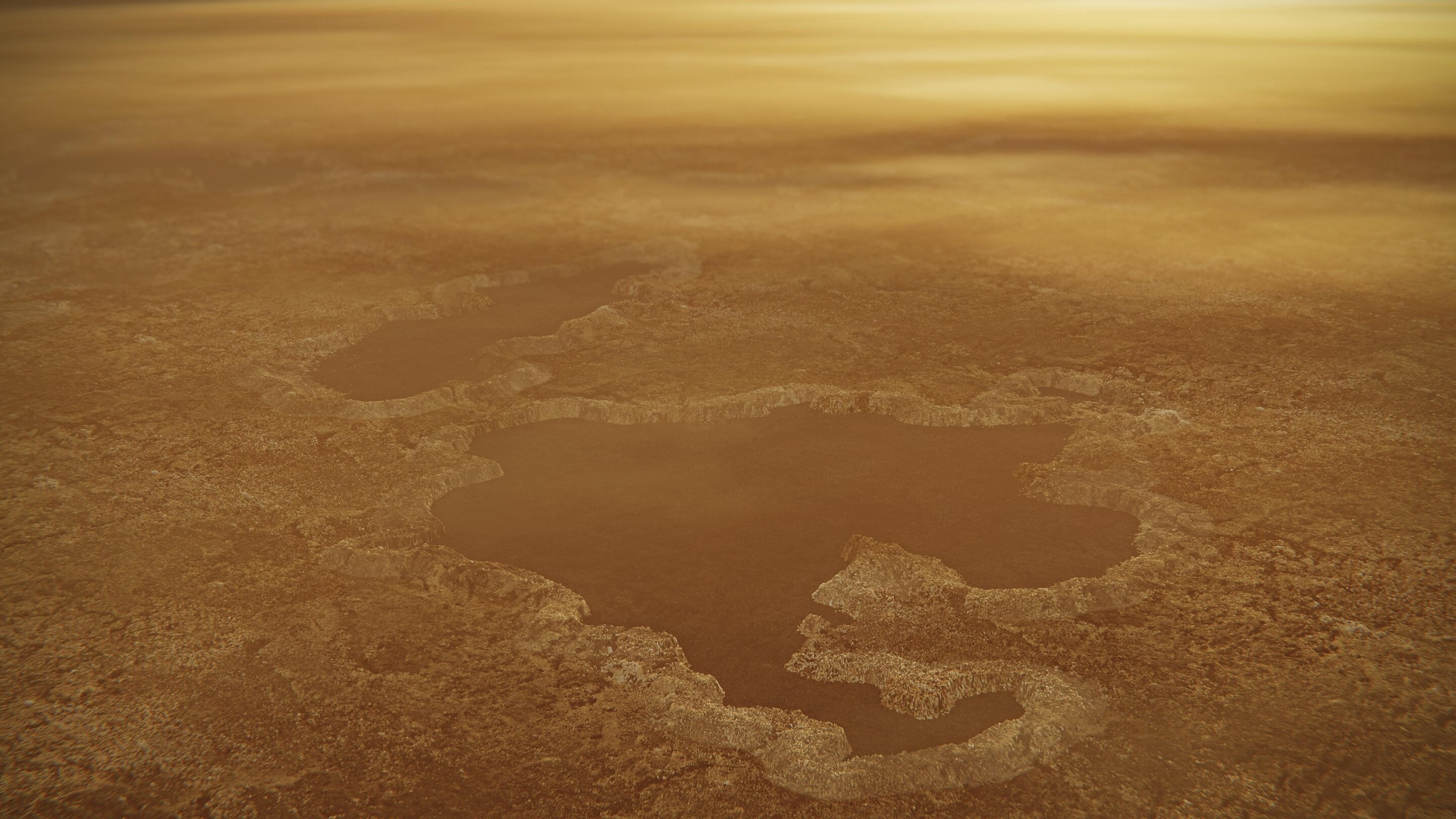
Saturn’s moon Titan could harbor life, but only a tiny amount, study finds
https://phys.org/news/2025-04-saturn-moon-titan-harbor-life.html

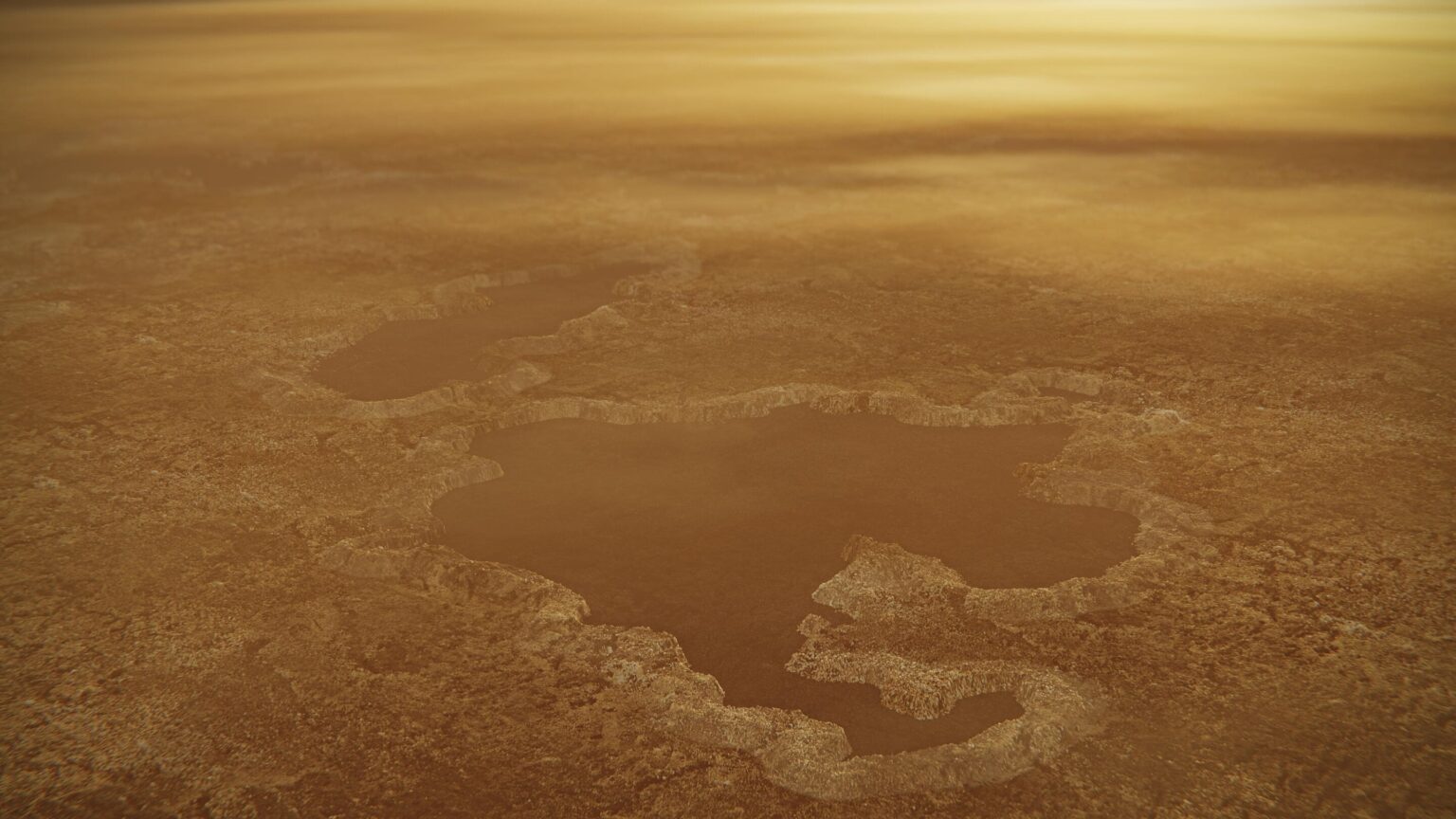
Saturn’s moon Titan could harbor life, but only a tiny amount, study finds
https://phys.org/news/2025-04-saturn-moon-titan-harbor-life.html
5 Comments
[deleted]
An interesting study – they are focusing on one type of organism, and saying that there is a lot of food available for this type, but it is sequestered away from the liquid water. There is not enough movement of material between the liquid water and the glycine to have a lot of glycine-dependent life. I have to wonder about fermentation of other types of organic molecules, though. Need to read the primary study.
I like how modern science thinks they definitively know anything about the true nature of life and the universe.
They are just telling us what they are allowed to tell.
The Phys.org article’s title does not capture the conclusions of [the paper](https://iopscience.iop.org/article/10.3847/PSJ/adbc66). The authors looked at the possibility of organics from Titan’s surface and atmosphere feeding a carbon/water based ecosystem in a subsurface ocean using glycine fermentation, and came to the conclusion that it could only support an ecosystem weighing a few kilograms. The paper’s own abstract concludes:
>Constraining notionally detectable biospheres on Titan will therefore require (i) considering localized environments that may concentrate cells, (ii) better characterizing other candidate metabolisms (e.g., degradation of acetylene or polyaromatic hydrocarbons) for quantitative bioenergetic modeling, and (iii) resolving new mechanisms to deliver organics and oxidants for life.
The Phys.org article’s author, Daniel Stolte, then mistakenly concludes that “… their study concludes that while Titan could possibly harbor simple, microscopic life, it likely could support only a few pounds of biomass overall” — a gross mischaracterization of the paper’s conclusions.
It’s clear that a Titanic biosphere will not use liquid water as a solvent, making attempts to impose Terrestrial biochemistry techniques upon Titan doomed to failure. That’s what this paper shows.