
One day, in the near or far future, an asteroid about the length of a football stadium will find itself on a collision course with Earth. If we are lucky, it will land in the middle of the vast ocean, creating a good-size but innocuous tsunami, or in an uninhabited patch of desert. But if it has a city in its crosshairs, one of the worst natural disasters in modern times will unfold. As the asteroid steams through the atmosphere, it will begin to fragment—but the bulk of it will likely make it to the ground in just a few seconds, instantly turning anything solid into a fluid and excavating a huge impact crater in a heartbeat. A colossal blast wave, akin to one unleashed by a large nuclear weapon, will explode from the impact site in every direction. Homes dozens of miles away will fold like cardboard. Millions of people could die.
Fortunately for all 8 billion of us, planetary defense—the science of preventing asteroid impacts—is a highly active field of research. Astronomers are watching the skies, constantly on the hunt for new near-Earth objects that might pose a threat. And others are actively working on developing ways to prevent a collision should we find an asteroid that seems likely to hit us.
https://www.technologyreview.com/2025/04/14/1114306/space-nuclear-explosion-asteroid-protection-research/?utm_source=reddit&utm_medium=tr_social&utm_campaign=site_visitor.unpaid.engagement&utm_content=socialbp
3 Comments
>”Millions of people could die”
Erm…No.
Asteroids, particular of that size, don’t just come out of nowhere. The lead time for impact will be *years,* and the prediction of where it will impact will be pretty clear long before it does.
If we think it might impact a city (or close by) then there will be ample time to evacuate.
Massive death tolls is something we need to worry about if the asteroid is so big as to have global impact (i.e.: no minimum safe distance to evacuate to)
“researchers have not found a single confirmed case of death by space rock” https://www.astronomy.com/science/unlucky-unconfirmed-tales-of-people-killed-by-meteorites/
Since there isn’t a single case in all of recorded history of one of these mass death events actually happening, *ever*, the risk is negligible. Yes, it makes for a dramatic movie plot, but in reality it’s literally nothing to be concerned about. At all.
I scuba dive. I don’t worry about sharks, because the actual risk is negligible. We generally don’t bother taking action or worrying about stuff that presents negligible risk. It’s kinda what “negligible” means. It means forget about it.
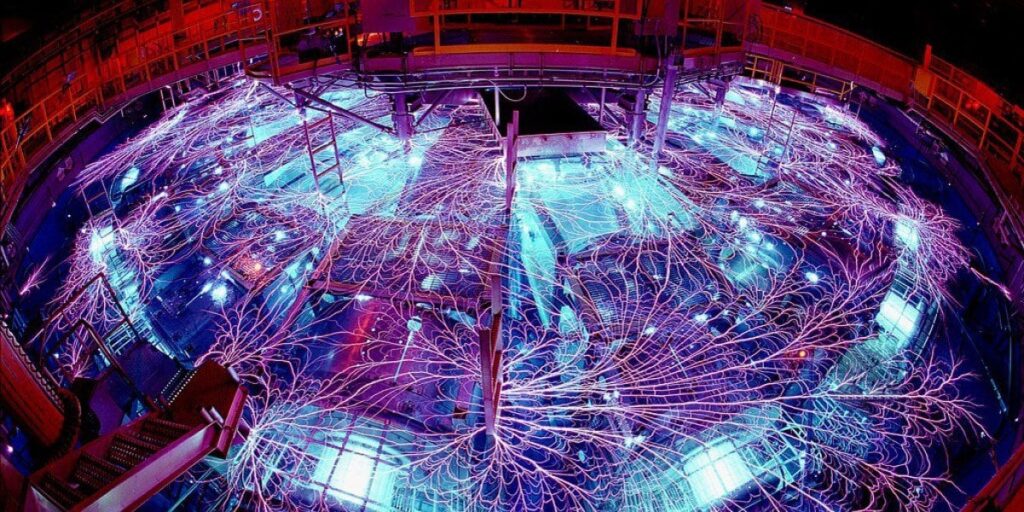
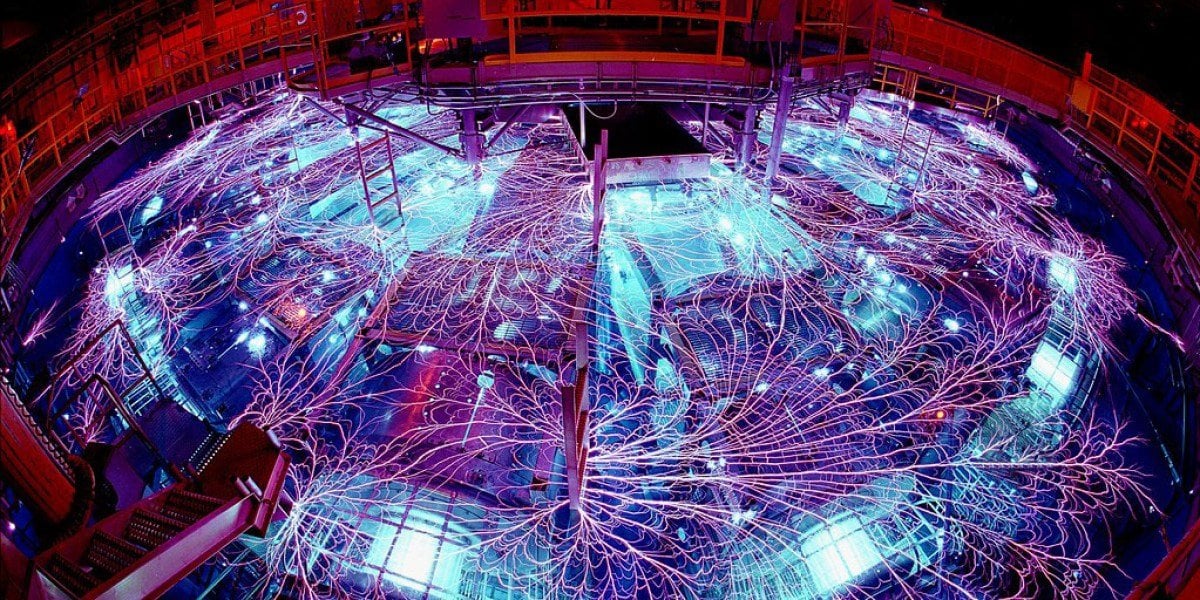
I’m fascinated to know what Sandia’s Z-machine has to do with asteroids.